Skip to content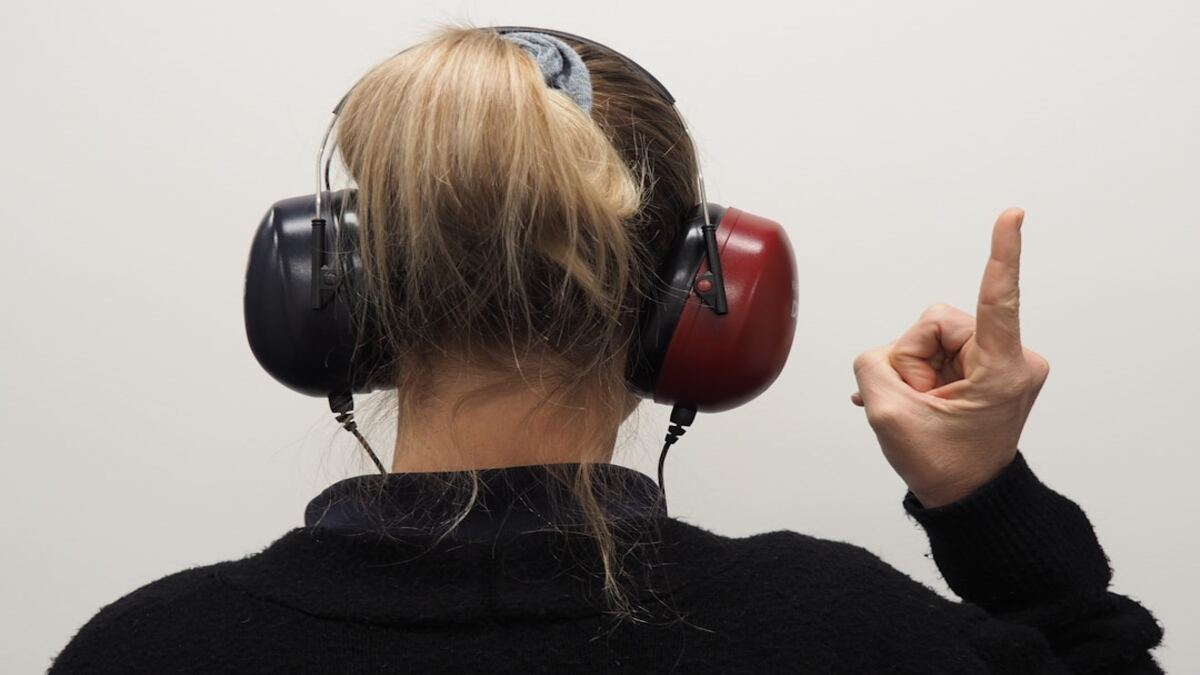
- Hearing loss affects over 1.5 billion people worldwide, yet the average person waits 7 to 10 years before seeking help — a delay that significantly worsens outcomes.
- Hearing treatment is not one-size-fits-all. From cochlear implants to over-the-counter hearing aids to speech therapy, the right solution depends on the type, severity, and cause of your hearing loss.
- Audiologic rehabilitation goes far beyond fitting a hearing aid — it includes auditory training, counseling, family involvement, and digital tools that together determine how well you adapt to better hearing.
- Untreated hearing loss is linked to cognitive decline, depression, and social isolation — making early treatment one of the most important health decisions you can make.
- Keep reading to find out why so many people abandon their hearing aids within the first year, and what the most effective rehabilitation programs do differently.
Hearing loss is one of the most undertreated health conditions in the world — and the consequences go far beyond missing a conversation. Whether you are newly diagnosed, supporting a family member, or exploring your options after years of waiting, understanding the full landscape of hearing treatment and rehabilitation changes everything about how you move forward.
The field of audiologic rehabilitation covers a wide spectrum of services, from clinical diagnosis to assistive technology to emotional support. Organizations like Plural Publishing have been instrumental in advancing audiology education, producing resources that define how clinicians understand and treat hearing loss today. Getting the right information early is the single most powerful thing you can do for your hearing health.
Hearing Loss Is More Common Than You Think
Most people assume hearing loss is something that happens to the elderly. The reality is far more widespread and starts much earlier than most expect.
How Many People Are Affected by Hearing Loss Globally
- Over 1.5 billion people worldwide live with some degree of hearing loss
- Approximately 430 million of those require rehabilitation services
- By 2050, the World Health Organization projects that number will exceed 700 million
- Hearing loss is the third most common chronic physical condition in the United States
- It affects people of all ages, including an estimated 34 million children globally
These numbers are not abstract statistics. They represent people struggling in meetings, missing family conversations, and quietly withdrawing from social situations they once enjoyed. The scale of the problem makes access to clear, actionable information not just helpful — but essential.
Why So Many People Wait Years Before Seeking Help
The average person waits 7 to 10 years between first noticing hearing difficulties and actually seeking professional help. That gap is not just about denial. Hearing loss typically develops gradually, making it easy to rationalize. People blame background noise, mumbling speakers, or poor acoustics long before they consider that their ears might be the issue.
Stigma also plays a powerful role. Many people associate hearing aids with old age and disability, making them reluctant to pursue evaluation even when the signs are obvious. This delay has measurable consequences — the longer hearing loss goes unaddressed, the harder the brain works to compensate, and the more difficult rehabilitation becomes.
The Real Cost of Leaving Hearing Loss Untreated
Untreated hearing loss is not a passive condition. Research consistently links it to accelerated cognitive decline, increased risk of dementia, depression, anxiety, and social isolation. The auditory system and the brain are deeply connected — when sound input is reduced over years, neural pathways weaken in ways that go beyond hearing alone.
There are also significant economic consequences. People with untreated hearing loss earn lower average incomes, experience higher rates of unemployment, and utilize healthcare services at higher rates than those who seek treatment. Early intervention is not just better for quality of life — it is measurably more cost-effective.
Types of Hearing Loss and What Causes Them
Before any treatment can be recommended, the type and cause of hearing loss must be clearly identified. Not all hearing loss is the same, and mixing up the categories leads to ineffective treatment.
Sensorineural Hearing Loss: The Most Common Type
Sensorineural hearing loss (SNHL) occurs when there is damage to the hair cells of the inner ear (cochlea) or to the auditory nerve itself. It accounts for approximately 90% of all adult hearing loss cases and is typically permanent. Common causes include aging (presbycusis), noise exposure, ototoxic medications, viral infections, and genetic factors.
The defining characteristic of SNHL is that it affects both the volume and the clarity of sound. A person with SNHL might hear that someone is speaking but still struggle to understand what is being said — especially in noisy environments. This distinction matters enormously for treatment planning.
Noise-induced hearing loss (NIHL) is one of the most preventable forms of SNHL. Exposure to sounds above 85 decibels over extended periods damages the stereocilia — the tiny hair cells in the cochlea responsible for translating sound vibrations into electrical signals. Once those cells are destroyed, they do not regenerate.
Age-related hearing loss, or presbycusis, typically begins with difficulty hearing high-frequency sounds — consonants like “s,” “f,” and “th” are often the first to go. This is why people with age-related SNHL often report hearing people talking but not being able to make out what they are saying. Treatment almost always involves amplification through hearing aids or, in severe cases, cochlear implants.
Conductive Hearing Loss: When Sound Cannot Get Through
Conductive hearing loss occurs when something physically blocks or impairs sound from traveling through the outer or middle ear to the inner ear. Unlike SNHL, conductive hearing loss is frequently temporary and often medically treatable.
Common causes include earwax buildup (cerumen impaction), fluid in the middle ear (otitis media with effusion), perforated eardrum, otosclerosis (abnormal bone growth in the middle ear), and malformations of the outer or middle ear. The key distinction is that the inner ear itself is functioning normally — the problem is mechanical.
People with conductive hearing loss typically describe sound as muffled rather than unclear. They often hear better in noisy environments than people with SNHL because they naturally speak louder or cup their hand to their ear to amplify incoming sound. Treatment ranges from earwax removal and antibiotics to surgical procedures like tympanoplasty or stapedectomy.
| Feature | Sensorineural | Conductive |
|---|---|---|
| Location | Inner ear / auditory nerve | Outer or middle ear |
| Reversibility | Usually permanent | Often reversible |
| Primary complaint | Clarity of speech | Overall volume of sound |
| Common causes | Aging, noise, genetics | Fluid, wax, structural issues |
| Primary treatment | Hearing aids, cochlear implants | Medical or surgical intervention |
Mixed Hearing Loss: A Combination of Both
Mixed hearing loss involves elements of both sensorineural and conductive hearing loss occurring simultaneously. For example, someone might have age-related damage to their cochlear hair cells (sensorineural) while also developing otosclerosis (conductive). Treatment must address both components, which often means combining medical intervention with amplification technology.
Assessment of mixed hearing loss requires a full audiological battery including pure-tone audiometry, bone conduction testing, and tympanometry to accurately separate the two components and determine how much of the loss is medically treatable versus what requires long-term management.
Hidden Hearing Loss: What the Audiogram Does Not Show
Hidden hearing loss is a relatively recent clinical concept describing individuals who score within the normal range on a standard audiogram yet still struggle significantly with speech understanding, particularly in noisy environments. It is believed to involve damage to the synapses between cochlear hair cells and auditory nerve fibers — a condition called cochlear synaptopathy.
This type of hearing loss is increasingly linked to noise exposure and is thought to be far more common than currently diagnosed. Standard audiograms measure hearing thresholds but do not assess the neural coding of complex sounds like speech in background noise. That gap in testing means many people with genuine hearing difficulties are told their hearing is “normal” and sent home without support. For more information on rehabilitation resources, visit Cochlear’s rehabilitation resources.
Emerging diagnostic tools including the auditory brainstem response (ABR) and middle ear muscle reflex (MEMR) testing are helping clinicians identify cochlear synaptopathy more accurately. If you consistently struggle in noisy environments despite a normal audiogram, hidden hearing loss is worth discussing with your audiologist. For additional insights, you might explore expert opinions on in-ear tinnitus relief and care.
How Hearing Is Assessed and Diagnosed
Proper diagnosis is the foundation of effective hearing treatment. Skipping or rushing this stage leads to mismatched interventions — hearing aids fitted for the wrong type of loss, or medical causes missed entirely.
A comprehensive audiological assessment is not just a hearing test. It is a systematic evaluation of the entire auditory system, from the outer ear to the auditory cortex, designed to identify what is working, what is not, and what can be done about it.
The evaluation process typically begins with a detailed case history covering medical background, noise exposure, family history of hearing loss, and the specific communication challenges the person is experiencing. This context is essential — two people with identical audiograms can have completely different rehabilitation needs based on their lifestyle, communication demands, and psychological readiness for treatment.
Interprofessional collaboration is increasingly recognized as a best practice in hearing assessment. Audiologists, otolaryngologists (ENT physicians), speech-language pathologists, and even psychologists may all contribute to a complete picture of an individual’s hearing health and rehabilitation needs.
- Pure-tone audiometry — measures hearing thresholds across frequencies from 250 Hz to 8000 Hz
- Speech audiometry — evaluates how well a person understands speech at various volumes
- Tympanometry — assesses middle ear function and eardrum mobility
- Otoacoustic emissions (OAE) — tests the function of outer hair cells in the cochlea
- Auditory brainstem response (ABR) — measures neural responses along the auditory pathway
- Word recognition scores — determines how clearly speech is understood at a comfortable listening level
What Happens During an Audiological Assessment
During a standard assessment, you will sit in a sound-treated booth and respond to tones presented through headphones at varying frequencies and volumes. The audiologist maps your responses onto an audiogram — a graph that plots hearing sensitivity across pitches. Air conduction and bone conduction testing together help determine whether any hearing loss present is sensorineural, conductive, or mixed.
The appointment also typically includes a visual inspection of the ear canal and eardrum using an otoscope, tympanometry to check middle ear pressure, and speech testing to assess real-world listening performance. Depending on findings, additional tests like OAE or ABR may be ordered. The full process usually takes between 60 and 90 minutes for a comprehensive evaluation. For further understanding, you can explore more about adult audiologic rehabilitation.
The Audiogram: What It Tells You and What It Misses
The audiogram is the most widely used tool in audiology, but it has real limitations. It measures the softest sounds you can detect at specific frequencies — it does not measure how well you process speech in real-world listening conditions. Two people with the same audiogram can have dramatically different experiences of hearing loss in daily life depending on their neural processing efficiency.
This is why word recognition scores, speech-in-noise testing, and self-report questionnaires are critical complements to the audiogram. An audiologist who relies solely on threshold testing to recommend treatment is missing a significant portion of the clinical picture.
Self-Assessment Tools and Hearing Questionnaires
Validated questionnaires like the Hearing Handicap Inventory for Adults (HHIA) and the Client Oriented Scale of Improvement (COSI) give clinicians insight into how hearing loss is actually affecting a person’s daily life. These tools measure the psychosocial impact of hearing loss — the frustration, the avoidance behaviors, the relationship strain — that no audiogram can capture.
Self-assessment is also valuable for tracking rehabilitation progress. By completing standardized questionnaires before and after treatment, both the clinician and the patient can see measurable changes in communication ability and quality of life, not just shifts on an audiogram.
Medical and Surgical Treatment Options
Not all hearing loss requires a hearing aid. For a meaningful subset of people, hearing loss has a medical or surgical solution — and identifying those cases early prevents unnecessary device fitting and potentially restores hearing more completely than amplification ever could.
When Hearing Loss Can Be Medically Treated
Conductive hearing losses caused by cerumen impaction, otitis media, or eustachian tube dysfunction are frequently resolved with straightforward medical interventions. Earwax removal, pressure equalization tubes, antibiotic treatment for ear infections, and nasal decongestants for eustachian tube issues can restore normal hearing without any need for amplification devices. This is why every hearing evaluation should include an otoscopic examination and medical clearance before device fitting is discussed.
Cochlear Implants: Who They Are For and How They Work
A cochlear implant bypasses damaged hair cells in the cochlea entirely and directly stimulates the auditory nerve with electrical signals. It consists of two components: an internal device surgically implanted under the skin behind the ear, and an external sound processor worn behind or on the ear. The external processor captures sound, converts it to digital signals, and transmits those signals to the implant, which delivers them to the auditory nerve.
Cochlear implants are indicated for adults and children with severe to profound sensorineural hearing loss who receive limited benefit from conventional hearing aids. Candidacy assessment involves audiological testing, imaging of the cochlea, medical evaluation, and in adults, a trial period with appropriately fitted hearing aids to confirm they are not providing adequate benefit. Post-implant audiologic rehabilitation — including auditory training and speech-language therapy — is critical to achieving optimal outcomes with a cochlear implant.
Bone-Anchored Hearing Devices
Bone-anchored hearing devices, such as the Cochlear Baha System and the Oticon Medical Ponto, work by transmitting sound vibrations directly through the skull bone to the inner ear, bypassing the outer and middle ear entirely. They are primarily indicated for people with conductive or mixed hearing loss, single-sided deafness (SSD), or those who cannot wear conventional hearing aids due to chronic ear canal issues like recurring infections or anatomical abnormalities.
Hearing Aids: What You Need to Know Before You Buy
Hearing aids are the most commonly recommended treatment for sensorineural hearing loss — but walking into a clinic or a pharmacy and picking one out without the right information is one of the most expensive mistakes you can make.
The hearing aid market has expanded dramatically in recent years. You can now purchase devices over the counter, online, or through a licensed audiologist, and the price range spans from under $200 to over $7,000 per pair. That range reflects real differences in technology, fitting precision, and ongoing professional support — and understanding those differences before you buy protects both your hearing and your wallet.
What most people do not realize is that a hearing aid is only as good as the fitting behind it. A premium device programmed incorrectly — or not programmed at all — will consistently underperform a mid-range device that has been precisely calibrated to your audiogram, verified with real-ear measurements, and adjusted over multiple follow-up appointments. The device is only half the equation.
- Behind-the-ear (BTE) — sits behind the ear with a tube connecting to an ear mold; suitable for most types and severities of hearing loss
- Receiver-in-canal (RIC) / Receiver-in-the-ear (RITE) — the speaker sits in the ear canal, making it smaller and more discreet; most popular style for mild to moderately severe SNHL
- In-the-ear (ITE) — custom-molded to fill the outer ear; easier to handle for people with dexterity issues
- In-the-canal (ITC) and completely-in-canal (CIC) — smaller, more cosmetically appealing, but limited in power and features
- Invisible-in-canal (IIC) — the most discreet option, sits deep in the canal; not suitable for severe hearing loss or small ear canals
Different Styles of Hearing Aids and Who They Suit
The best hearing aid style for you depends on the degree of your hearing loss, the shape of your ear canal, your manual dexterity, your lifestyle demands, and your cosmetic preferences. Someone with severe hearing loss needs a device powerful enough to deliver sufficient amplification, which typically means a BTE or a powerful RIC. Someone with mild high-frequency loss and an active lifestyle might do very well with an IIC or CIC device.
Rechargeable vs. disposable battery options are another practical consideration. Rechargeable hearing aids — like the Phonak Audéo Lumity Life or the Oticon Real 1 — eliminate the need to handle tiny batteries, which is a significant benefit for older adults or anyone with reduced hand dexterity. Most modern rechargeable devices provide a full day of use on a single charge, including streaming.
How to Choose the Right Hearing Aid for Your Lifestyle
The right hearing aid for a retired person who spends most of their time at home in quiet environments is almost certainly not the right hearing aid for someone who attends meetings, travels frequently, and uses Bluetooth streaming constantly. When working with your audiologist, be specific about the listening environments where you struggle most — noisy restaurants, phone calls, television, one-on-one conversation — because modern hearing aids are programmed with those situations in mind. Features like directional microphone systems, noise reduction algorithms, and automatic environment detection vary significantly between technology tiers and directly affect performance in the situations that matter most to you. For those dealing with tinnitus, understanding in-ear tinnitus and how it might impact your hearing aid choice is crucial.
Over-the-Counter Hearing Aids vs. Professionally Fitted Devices
Since the U.S. FDA approved over-the-counter (OTC) hearing aids in 2022, adults with perceived mild to moderate hearing loss can purchase amplification devices without seeing a professional. Brands like Jabra Enhance Plus, Sony CRE-10, and Lexie Lumen are among the most recognized OTC options, with prices ranging from $400 to $1,600 per pair — significantly less than many prescription devices. For those experiencing tinnitus or dizziness, consulting with a professional may still be advisable.
OTC hearing aids are a genuine step forward for accessibility. However, they come with important limitations. They are self-fitted based on a hearing profile you set yourself, without real-ear measurement verification, professional counseling, or ongoing audiological support. For someone with accurately perceived mild to moderate high-frequency hearing loss and the technical comfort to manage app-based fitting, they can be effective. For anyone with more complex hearing needs, asymmetrical hearing loss, or co-existing conditions, a professionally fitted device with audiological support consistently produces better outcomes.
OTC vs. Prescription Hearing Aids at a Glance:
Feature OTC Hearing Aids Prescription Hearing Aids Who fits them Self-fitted via app Audiologist with real-ear measurement Suitable for Mild to moderate loss All degrees of hearing loss Price range $200 – $1,600/pair $2,000 – $7,500+/pair Professional support Limited or none Ongoing audiological care Technology level Basic to mid-range Basic to premium Medical clearance Not required Required before fitting
The critical takeaway is this: if you are considering OTC hearing aids, get a professional hearing evaluation first. Knowing the type, degree, and configuration of your hearing loss — and ruling out any medically treatable causes — before self-fitting a device is non-negotiable for your safety and your results.
Common Reasons People Stop Wearing Their Hearing Aids
Studies consistently show that a significant proportion of people who purchase hearing aids end up wearing them rarely or not at all. The most common reasons include physical discomfort from a poor fit, dissatisfaction with sound quality in noise, the feeling that the device draws unwanted attention, difficulty with handling and maintenance, and — critically — never receiving proper rehabilitation support after the fitting. A hearing aid fitting appointment alone is not audiologic rehabilitation. Without structured follow-up, listening practice, and communication strategy training, even the best device on the market will end up in a drawer.
Audiologic Rehabilitation: More Than Just a Hearing Aid
Audiologic rehabilitation — also called aural rehabilitation or AR — is the structured process of helping a person with hearing loss achieve the best possible communication outcomes across all areas of life. It is not a single appointment, and it is not synonymous with getting a hearing aid. It is an ongoing, individualized program that addresses the cognitive, communicative, emotional, and social dimensions of living with hearing loss. For those also experiencing tinnitus, understanding in-ear tinnitus relief can be an important part of the rehabilitation process.
What Audiologic Rehabilitation Actually Involves
A comprehensive audiologic rehabilitation program is built around an individual’s specific communication goals, lifestyle demands, and psychological readiness for change. It typically includes assessment of communication needs and hearing aid benefit, device orientation and management training, auditory and speech perception training, counseling for both the person with hearing loss and their communication partners, and instruction in the use of assistive technologies.
The scope of AR services extends well beyond the audiology clinic. Rehabilitation may take place in group settings, through telehealth platforms, in schools or workplaces, or via structured home practice programs. The International Classification of Functioning, Disability, and Health (ICF) framework, endorsed by the World Health Organization, is increasingly used in audiologic rehabilitation to assess not just hearing function but participation restrictions and the broader life impact of hearing loss — ensuring that treatment goals are meaningful to the individual, not just measurable on a test.
Speech Perception Training and Auditory Skill Building
When someone has worn hearing aids for the first time or received a cochlear implant, the auditory system does not instantly adapt to the new sound signal. The brain needs time and structured practice to relearn how to interpret sounds that were previously distorted, absent, or unfamiliar. This is where auditory training becomes essential.
Auditory training programs target the brain’s ability to process and distinguish speech sounds. They typically progress from easier tasks — like distinguishing between very different sounds — to more complex ones, like understanding speech in background noise or recognizing subtle differences between similar words. This type of perceptual learning creates measurable, lasting changes in how the brain processes auditory information.
Computer-based auditory training programs have made this type of practice far more accessible. Programs like LACE (Listening and Communication Enhancement) by Neurotone and clEAR (customized Learning: Exercises for Aural Rehabilitation) deliver structured training exercises that patients can complete at home. Research supports their effectiveness, particularly when combined with consistent hearing aid use and professional follow-up appointments.
- Analytic training — focuses on discriminating individual sounds, phonemes, or words in isolation
- Synthetic training — focuses on understanding connected speech and deriving meaning from context
- Discrimination tasks — identifying whether two sounds are the same or different
- Identification tasks — labeling a sound from a closed or open set of options
- Comprehension tasks — understanding meaning from sentences or paragraphs in varying levels of noise
The Role of Self-Efficacy in Rehabilitation Success
Self-efficacy — a person’s belief in their own ability to successfully manage their hearing loss — is one of the strongest predictors of rehabilitation outcomes. People who believe they can handle difficult listening situations, advocate for their needs, and use their devices effectively are significantly more likely to wear their hearing aids consistently, engage in auditory training, and report improvements in communication and quality of life.
Building self-efficacy is therefore a deliberate component of well-designed rehabilitation programs. This is not motivational coaching — it is a clinically recognized dimension of behavior change. Strategies include setting specific, achievable communication goals, practicing challenging listening situations in a supported environment, reviewing successes regularly, and normalizing the difficulty of the adjustment period.
Example: The COSI Framework in Practice
The Client Oriented Scale of Improvement (COSI) is a goal-setting tool that asks the patient to identify up to five specific situations where they most want to improve their hearing. Goals might include:
- Understanding my grandchildren when they speak to me from another room
- Following conversation in a restaurant without asking people to repeat themselves
- Hearing clearly on the telephone without the TV on
At follow-up appointments, the clinician and patient review each goal and rate both the degree of change achieved and the final ability level. This makes rehabilitation measurable, personal, and directly tied to what matters most to the individual — not just what looks good on an audiogram.
The psychosocial dimension of rehabilitation is inseparable from the technical dimension. Counseling that addresses the emotional impact of hearing loss — grief, frustration, embarrassment, relationship strain — creates the psychological foundation that allows the technical interventions to work. Audiologists trained in informational and personal adjustment counseling are far more effective rehabilitation partners than those who focus exclusively on devices.
Group audiologic rehabilitation programs offer a particularly powerful environment for building self-efficacy. Programs like the Active Communication Education (ACE) program bring together small groups of adults with hearing loss to problem-solve real communication challenges, share strategies, and support each other through the adjustment process. The combination of peer validation, shared learning, and structured skill-building produces outcomes that individual appointments alone rarely match.
Family-Centered Care: Why Your Loved Ones Are Part of the Process
Hearing loss is rarely a solo experience. Spouses, adult children, close friends, and colleagues are all affected by one person’s hearing difficulties — and they are also among the most powerful resources in that person’s rehabilitation journey. Family-centered care in audiology formally incorporates communication partners into the rehabilitation process, teaching them how to speak more effectively with someone who has hearing loss, how to modify the listening environment, and how to provide emotional support without taking over. When communication partners understand what hearing loss actually feels like from the inside, the dynamic in relationships shifts from frustration to cooperation — and rehabilitation outcomes improve measurably as a result.
The Psychosocial Impact of Hearing Loss
The medical dimensions of hearing loss get most of the attention, but the emotional and social consequences are often what drive people to finally seek help — or drive them deeper into avoidance.
Key psychosocial effects associated with untreated hearing loss:
- Increased rates of depression and anxiety
- Social withdrawal and isolation
- Reduced participation in previously enjoyed activities
- Relationship strain with spouses and family members
- Lower self-esteem and confidence in social settings
- Fatigue from the constant cognitive effort of listening
- Reduced occupational performance and career advancement
What makes these effects particularly insidious is that they develop slowly and are easy to attribute to other causes. Someone who stops attending dinner parties might tell themselves they just prefer quiet evenings at home. Someone who withdraws from conversations at work might attribute it to introversion. The pattern of avoidance builds quietly over years before the connection to hearing loss becomes undeniable.
The concept of listening fatigue — the exhaustion that comes from spending hours concentrating intensely just to follow conversation — is real and measurable. When the brain has to work significantly harder than normal to decode speech, cognitive resources are drained that would otherwise be available for memory, attention, and emotional regulation. This is part of why people with hearing loss report feeling mentally tired after social situations that others find energizing.
How Hearing Loss Affects Mental Health and Social Life
Depression is significantly more prevalent among adults with hearing loss than in the general population. The relationship is bidirectional and cumulative — hearing loss contributes to social isolation, which contributes to depression, which reduces motivation to seek treatment or engage in rehabilitation, which deepens the isolation. Breaking that cycle requires addressing both the hearing loss and the mental health impact simultaneously.
Anxiety around communication — specifically the fear of mishearing, responding incorrectly, or appearing foolish — leads many people with hearing loss to begin avoiding situations where they will be expected to follow conversation. Meetings, phone calls, social gatherings, and even family dinners become sources of stress rather than connection. Over time, the avoidance becomes habitual and the social network shrinks. For some, this avoidance can be compounded by related issues, such as tinnitus causing dizziness, further complicating social interactions.
Relationship strain is one of the most consistently reported consequences of untreated hearing loss. Partners of people with hearing loss frequently report feeling ignored, unheard, or exhausted by the effort required to communicate. They raise their voices, repeat themselves constantly, and gradually stop sharing things spontaneously. The emotional distance that develops is not about the relationship — it is about the hearing loss — but without that understanding, couples often interpret it personally.
Importantly, research shows that hearing aid use is associated with significant improvements in mental health, social engagement, and relationship satisfaction. Treatment works — but only if the person gets to treatment, which brings the discussion directly to stigma.
| Domain | Impact of Untreated Hearing Loss | Impact After Treatment |
|---|---|---|
| Depression | Significantly elevated rates | Measurable reduction reported |
| Social participation | Progressive withdrawal | Increased engagement |
| Relationships | Strain, frustration, distance | Improved communication and closeness |
| Cognitive load | High listening effort, fatigue | Reduced effortful listening |
| Self-confidence | Reduced, avoidance behaviors | Improved self-efficacy |
Stigma Around Hearing Loss and How It Delays Treatment
Stigma remains one of the biggest barriers to hearing treatment globally. In many cultures, wearing a hearing aid is associated with aging, disability, and dependency — associations that are deeply uncomfortable for people who see themselves as active, capable, and independent. This stigma operates on two levels: the internalized stigma a person feels about their own hearing loss, and the perceived stigma of what others will think if they see a hearing device.
The irony is that the behaviors hearing loss actually produces — asking people to repeat themselves constantly, responding to the wrong question, laughing at the wrong moment, withdrawing from conversation — are far more socially noticeable than a small hearing aid or earbud. Yet the fear of the device remains more powerful than the reality of the untreated hearing loss. This cognitive distortion keeps millions of people from getting help that would genuinely transform their daily lives.
Changing this dynamic requires both individual counseling and broader cultural shifts. The growing normalization of wireless earbuds in everyday life has inadvertently helped — modern receiver-in-canal hearing aids are visually indistinguishable from popular consumer earbuds, reducing the stigma associated with visible ear-worn devices. Brands like Starkey Evolv AI and Widex Moment Sheer have specifically designed their devices with this in mind.
- Address stigma directly in initial counseling appointments — do not wait for the patient to bring it up
- Use person-first language that separates identity from hearing loss
- Normalize hearing aids by drawing comparisons to glasses — both correct a sensory limitation
- Share realistic examples of people in active, professional, and social roles who wear hearing aids
- Involve family members early to reduce the isolation that feeds stigma-driven avoidance
Peer support and group rehabilitation programs have proven particularly effective at breaking down stigma. When someone meets others who are living well with hearing loss — working, traveling, maintaining relationships, staying socially active — the internal narrative that hearing loss means limitation begins to shift.
The Link Between Hearing Loss and Cognitive Decline
The relationship between hearing loss and cognitive decline is one of the most significant findings in hearing health research over the past two decades. Studies published in journals including JAMA and The Lancet have identified untreated hearing loss as one of the largest modifiable risk factors for dementia — larger than physical inactivity, smoking, or hypertension when considered in isolation. The proposed mechanisms include cognitive load (the brain working harder to process degraded sound, leaving fewer resources for memory and executive function), structural brain changes from reduced auditory stimulation, and the social isolation that hearing loss produces, which is itself an independent risk factor for dementia. While research is ongoing regarding whether hearing aid use directly reduces dementia risk, the evidence strongly supports treating hearing loss early as part of a comprehensive brain health strategy.
Assistive Technology and E-Health Tools
Hearing aids and cochlear implants are the most well-known hearing technologies — but they are far from the only tools available. Assistive listening devices, smartphone applications, and telehealth platforms now form an expanding ecosystem of support that extends the reach of hearing rehabilitation well beyond the clinical setting. For those dealing with tinnitus, it’s worth exploring how Audicus Aura supports tinnitus management as part of this ecosystem.
Assistive Listening Devices Beyond Hearing Aids
Hearing Assistive Technology Systems (HATS) are devices designed to improve the signal-to-noise ratio in specific listening situations where hearing aids alone may not provide sufficient benefit. FM systems — like the Phonak Roger system — use radio frequency signals to transmit a speaker’s voice directly to the listener’s hearing aids, dramatically improving speech understanding in classrooms, meetings, and restaurants. Loop systems (audio induction loops) transmit sound electromagnetically to hearing aids set to the telecoil (T-coil) setting, and are commonly installed in theatres, churches, and public buildings. Alerting devices — including visual or vibrotactile alarms, doorbell signalers, and bed shakers — address safety and accessibility needs that hearing aids cannot.
Smartphone Apps and Digital Tools for Hearing Rehabilitation
The smartphone has become one of the most powerful tools in hearing rehabilitation. Most modern premium hearing aids connect via Bluetooth to iOS and Android devices, allowing users to stream audio directly, adjust settings discreetly via app, and even access remote programming from their audiologist without attending an in-person appointment. Manufacturers including Phonak, Oticon, Signia, and ReSound all offer companion apps with increasingly sophisticated personalization features. For those experiencing related issues, understanding the meaning of tinnitus can be beneficial in managing hearing health.
Beyond hearing aid companion apps, there is a growing category of standalone tools specifically designed to support audiologic rehabilitation goals. These range from auditory training programs to captioning apps to sound level meters that help users understand their acoustic environment.
- LACE Auditory Training — structured home-based listening exercises designed to improve speech-in-noise performance
- Ava — real-time captioning app for group conversations, useful in meetings and social settings
- Google Live Transcribe — live speech-to-text captioning using the phone’s microphone
- SoundPrint — crowd-sourced database of venue noise levels to help plan social outings
- Mimi Hearing Test — validated app-based hearing screening tool for identifying potential hearing loss
- ReSound Smart 3D — hearing aid companion app with remote fine-tuning and geotagged program memory
These tools are most effective when introduced as part of a structured rehabilitation plan rather than left for patients to discover on their own. An audiologist who actively incorporates digital tools into the rehabilitation process — and teaches patients how to use them meaningfully — significantly expands what is achievable between clinical appointments.
Telehealth and Remote Audiology Services
Teleaudiology — the delivery of audiology services through digital communication platforms — has moved from an emerging concept to a clinical reality, accelerated significantly by the COVID-19 pandemic. Remote services now include hearing screening, counseling, hearing aid programming and fine-tuning, auditory training delivery, and rehabilitation support — all delivered via video call or dedicated telehealth platforms.
For people in rural or underserved areas, for those with mobility limitations, or for anyone whose schedule makes frequent clinic visits difficult, teleaudiology removes barriers that have historically kept people from accessing consistent care. The American Academy of Audiology has established clinical practice guidelines for teleaudiology that cover technical standards, patient selection criteria, and documentation requirements.
Remote hearing aid programming — where an audiologist makes real-time adjustments to a patient’s hearing aids via a connected app during a video appointment — is one of the most clinically significant telehealth applications in audiology. Devices compatible with this feature include the Phonak Audéo Paradise, Starkey Evolv AI, and ReSound ONE, among others. Patients report high satisfaction with remote fine-tuning, and outcomes are comparable to in-person adjustments for most routine programming needs. The implication for rehabilitation adherence is significant — when fine-tuning is faster and more accessible, patients are far less likely to simply stop wearing a device that is not quite right.
Hearing Rehabilitation for Children Who Are Deaf or Hard of Hearing
Children do not experience hearing loss the same way adults do — for a child who is deaf or hard of hearing, every stage of development is shaped by how well they can access sound. The earlier that access is established, the more closely their language, cognitive, and social development tracks with their hearing peers. For some children, managing conditions like tinnitus can also be a part of their hearing journey. Learn more about the signs that tinnitus is going away and how it affects hearing rehabilitation.
Early Identification and Why It Changes Everything
Newborn hearing screening programs have transformed outcomes for children with hearing loss over the past three decades. Before universal newborn hearing screening was implemented across the United States, the average age of identification for significant hearing loss was between 2 and 3 years — a period during which critical language development windows had already partially closed. Today, most states screen newborns within the first 24 to 48 hours of life, with the goal of identification before one month, diagnosis before three months, and intervention before six months — a framework known as the 1-3-6 Early Hearing Detection and Intervention (EHDI) guidelines.
The difference those early months make is not incremental — it is transformational. Children identified and enrolled in intervention before six months of age consistently demonstrate significantly better language outcomes than those identified later, even when the degree of hearing loss is identical. The brain’s auditory pathways are most plastic — most responsive to sound input and language learning — in the first years of life. Missing that window does not close outcomes entirely, but it does require substantially more intensive intervention to compensate.
Listening and Spoken Language Therapy for Children
Listening and spoken language (LSL) therapy is a specialized approach to early intervention for children with hearing loss who are pursuing spoken communication as their primary mode of language development. It is distinct from general speech-language therapy in both philosophy and method — LSL therapy operates on the principle that the auditory brain can be trained to listen and process spoken language when given consistent, high-quality sound input through appropriate hearing technology from an early age.
LSL therapists — often certified as Listening and Spoken Language Specialists (LSLS) — work intensively with both the child and the parent or caregiver, because the parent is the primary language teacher in a child’s life. Sessions focus on teaching caregivers how to create rich auditory-verbal learning environments at home: positioning themselves near the child’s hearing devices, using natural language in context, expanding on the child’s utterances, and using acoustic highlighting to draw attention to specific speech sounds. The therapy is parent-coaching as much as it is child therapy. For more resources on enhancing communication, you can explore this aural rehabilitation guide.
Technology selection and optimization are non-negotiable foundations of LSL therapy. A child cannot learn to listen through a hearing aid that is not providing adequate, accurate amplification, or through a cochlear implant that has not been carefully mapped to their auditory needs. Close collaboration between the LSL therapist and the child’s audiologist — with regular device checks, electroacoustic verification, and aided audiogram confirmation — is standard practice in high-quality LSL programs.
Supporting Children in Educational Settings
School-age children with hearing loss face a listening environment that is fundamentally more demanding than anything most adults encounter. Classrooms are acoustically challenging — high levels of background noise, reverberation from hard surfaces, variable distances from the teacher, and the competing voices of 20 to 30 peers create listening conditions that strain even the best hearing technology. Research consistently shows that children with hearing loss require a signal-to-noise ratio (SNR) of +15 to +20 dB to achieve the same speech recognition performance as their normal-hearing classmates — far better than a typical classroom provides without assistive technology.
The standard solution is a remote microphone (RM) system — such as the Phonak Roger system or Oticon EduMic — where the teacher wears a microphone that transmits their voice directly to the child’s hearing aids or cochlear implant at a consistent, favorable signal level regardless of where the teacher is standing in the room. Educational audiologists play a critical role in recommending, fitting, and monitoring these systems, as well as educating teachers about classroom acoustics, seating arrangements, and communication strategies that support the student’s access to instruction.
Hearing Health in the Workplace
Adults with hearing loss who are in the workforce face a set of daily communication challenges that are rarely visible to colleagues or employers — and far too rarely addressed with the accommodations that would actually make a difference.
The Challenges Deaf and Hard of Hearing Adults Face at Work
Open-plan offices, conference calls, video meetings, and noisy production environments represent some of the most acoustically difficult listening situations that exist — and they are the daily reality for millions of working adults with hearing loss. Research indicates that employees with untreated or poorly managed hearing loss report significantly higher rates of workplace stress, reduced job performance, communication breakdowns with colleagues, and lower rates of career advancement compared to their normal-hearing peers. For those experiencing additional symptoms, it’s important to understand the meaning of tinnitus and its impact on workplace performance.
The cognitive load of listening in difficult conditions for an eight-hour workday produces a particular kind of occupational fatigue that is hard to explain to someone without hearing loss. By the end of a day spent concentrating intensely on every conversation, meeting, and phone call, the mental exhaustion is real — and it affects performance, mood, and recovery time outside of work hours. Many employees manage this by simply participating less, which compounds the professional consequences over time.
Workplace Accommodations and Assistive Solutions
Under the Americans with Disabilities Act (ADA) in the United States, employers are required to provide reasonable accommodations to employees with hearing loss — and there is a wide range of practical solutions available that go far beyond simply “speak up.” Effective workplace accommodations include captioning services for meetings (both real-time CART captioning and AI-powered solutions like Otter.ai or Microsoft Teams live captions), remote microphone systems for conference rooms, written follow-up of verbal communications, and physical accommodations like quiet workspaces or preferential seating during meetings.
Hearing loops installed in conference rooms allow employees with telecoil-equipped hearing aids to receive audio directly from a room’s sound system — a simple, high-impact infrastructure investment that many organizations overlook. For employees who use cochlear implants or hearing aids with Bluetooth connectivity, direct streaming from office phones, computers, and conference systems dramatically reduces listening effort and improves accuracy in verbal communication. The key is for employees to feel empowered to request these accommodations — which is where audiologic rehabilitation counseling, including self-advocacy training, plays a direct role in occupational outcomes.
How to Take Action on Your Hearing Health Today
If you have been putting off addressing your hearing — whether for weeks or for years — the most important step is the one you take next. Schedule a comprehensive audiological evaluation with a licensed audiologist, not a hearing screening at a pharmacy or a big-box retailer. A full evaluation gives you the clinical foundation to make informed decisions about treatment, technology, and rehabilitation. If you already have hearing aids and are not wearing them consistently, call your audiologist and be honest about why — the barrier is almost always solvable. And if you are supporting someone else through hearing loss, bring this information to them without pressure: understanding is the first step, and you reading this far already puts you ahead.
Frequently Asked Questions
What Is the Difference Between Hearing Treatment and Hearing Rehabilitation?
Hearing treatment refers to any medical, surgical, or technological intervention that addresses the underlying cause of hearing loss or compensates for it — including earwax removal, surgery, hearing aids, or cochlear implants. Hearing rehabilitation (or audiologic rehabilitation) is the broader, ongoing process of helping a person adapt to and maximize the benefit of those interventions through auditory training, counseling, communication strategy development, and assistive technology use. Treatment without rehabilitation often produces limited real-world benefit; the two work best together.
At What Point Should Someone See an Audiologist?
You should see an audiologist if you regularly ask people to repeat themselves, struggle to follow conversation in noise, find yourself turning up the TV volume significantly, miss doorbells or phone alerts, or have ringing in your ears (tinnitus). You do not need to wait until the problem feels severe. Earlier evaluation means earlier intervention — and earlier intervention consistently produces better outcomes.
Can Hearing Loss Be Reversed?
It depends entirely on the type and cause. Conductive hearing loss caused by earwax, fluid, infection, or certain structural problems can often be fully resolved with medical treatment. Sudden sensorineural hearing loss — a rapid, unexplained drop in hearing — can sometimes be partially or fully reversed with prompt corticosteroid treatment, which is why it should be treated as a medical emergency.
Chronic sensorineural hearing loss — the most common type — is generally permanent because it involves damage to cochlear hair cells that do not regenerate in humans. Current and emerging research into hair cell regeneration and gene therapy holds genuine promise for the future, but these are not yet available as clinical treatments. For now, management through amplification and rehabilitation remains the standard of care for permanent SNHL.
How Long Does Audiologic Rehabilitation Take?
There is no fixed timeline — it depends on the type and degree of hearing loss, the technology being used, the individual’s motivation and cognitive flexibility, and the intensity of the rehabilitation program. New hearing aid users typically need three to six months of consistent use and follow-up to fully adapt to amplified sound. Cochlear implant users usually engage in active auditory rehabilitation for one to two years post-activation, with continued improvement often seen beyond that. For most people, audiologic rehabilitation is best thought of as an ongoing process of optimization rather than a defined course with a finish line.
Are Over-the-Counter Hearing Aids as Effective as Prescription Devices?
For adults with accurately self-assessed mild to moderate high-frequency hearing loss who are comfortable with technology and self-fitting processes, OTC hearing aids can provide meaningful benefit. Several peer-reviewed studies have found comparable outcomes between OTC and prescription devices in this specific population when users are motivated and tech-savvy.
However, OTC devices come without audiological assessment, professional fitting verification, or structured rehabilitation support — all of which significantly impact real-world outcomes. Anyone with more complex hearing needs, asymmetrical hearing loss, ear canal abnormalities, or co-existing medical conditions should pursue professionally fitted devices and audiological care. And regardless of which path you take, get a proper hearing evaluation first — an OTC hearing aid cannot tell you whether your hearing loss has a medically treatable cause.
Does Hearing Loss Always Get Worse Over Time?
Not necessarily. Some types of hearing loss are stable — a single episode of sudden hearing loss that partially resolved, for example, or hearing loss caused by a one-time noise exposure event, may not progress further. Conductive hearing loss successfully treated surgically is often stable thereafter.
Age-related sensorineural hearing loss (presbycusis) does typically progress gradually over time, which is why regular audiological monitoring — generally every one to two years — is recommended for people with established hearing loss. Noise-induced hearing loss can also progress if exposure continues. The key protective factor is limiting ongoing noise exposure and scheduling regular monitoring so that any meaningful change is caught early and managed proactively.
What Is the Connection Between Hearing Loss and Dementia?
The connection is both well-established and clinically significant. Multiple large-scale studies have found that untreated hearing loss is associated with an increased risk of cognitive decline and dementia, with some research suggesting that severe untreated hearing loss can increase dementia risk by up to five times compared to people with normal hearing. The Lancet Commission on Dementia Prevention, Intervention, and Care has identified hearing loss as one of the largest potentially modifiable risk factors for dementia across the lifespan.
The likely mechanisms include chronic cognitive overload from effortful listening, reduced social engagement (itself a risk factor for dementia), and structural changes in the brain resulting from reduced auditory stimulation over years. Whether hearing aid use directly reduces dementia incidence is still being studied in large clinical trials, but the current weight of evidence strongly supports treating hearing loss promptly as part of a broader brain health strategy — not something to defer until “it gets bad enough.”
How Can Family Members Support a Loved One With Hearing Loss?
The most effective thing a family member can do is educate themselves about what hearing loss actually feels like from the inside — not just the practical inconvenience of it, but the cognitive effort, the social anxiety, and the emotional weight of it. When communication partners understand that mishearing is not inattention, and that asking for repetition requires real courage for many people, the frustration on both sides of the conversation shifts toward empathy.
Practical communication strategies make an immediate, concrete difference. Face the person directly when speaking, ensure good lighting so they can see your face, get their attention before starting to talk, reduce background noise where possible, speak clearly without exaggerating your mouth movements, and rephrase rather than simply repeat if you are not understood. These small adjustments cost nothing and consistently improve communication success. For those dealing with hearing issues, understanding how tinnitus can cause dizziness may also be beneficial.
Attending audiology appointments together — when the person with hearing loss is open to it — is one of the most powerful forms of support available. Hearing the audiologist’s explanation firsthand, asking questions, and understanding the rehabilitation plan removes the burden from the person with hearing loss to relay everything accurately and ensures the family member becomes a genuinely informed communication partner rather than a frustrated bystander.
Finally, focus on encouragement without pressure. The decision to pursue hearing treatment and commit to rehabilitation ultimately belongs to the person with hearing loss. Offering support, removing practical barriers, and making it easy rather than emotionally costly to seek help is the most effective role a family member can play — and it is often the difference between someone finally making the appointment and continuing to wait. For those interested in understanding more about hearing issues, the meaning of tinnitus can provide valuable insights.