Skip to content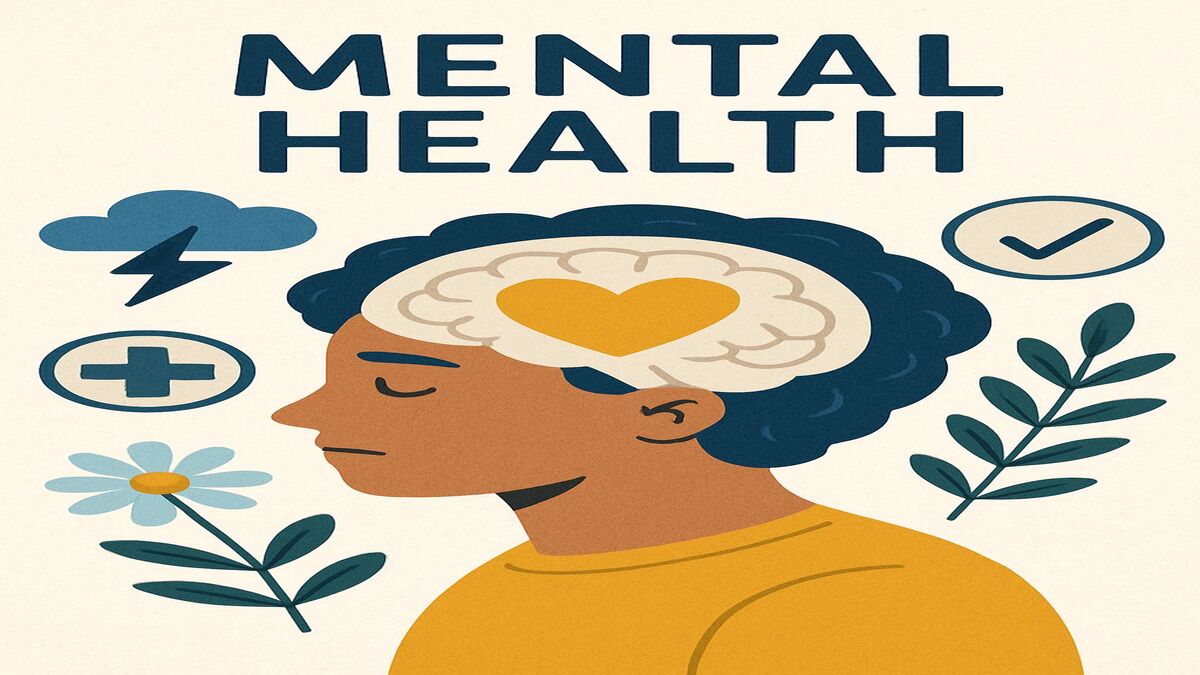
Article At A Glance
- Emotional well-being is not just about feeling good — it directly shapes how your brain functions, ages, and fights off disease.
- Chronic stress, depression, and anxiety can physically shrink brain structures like the hippocampus, affecting memory and decision-making.
- Just 30 minutes of walking daily can measurably boost mood and support long-term brain health, according to MedlinePlus.
- There are 8 proven, actionable steps you can start today to improve both your mood and your brain health at any age.
- The line between emotional well-being and conditions like Alzheimer’s and dementia is thinner than most people realize — keep reading to find out why.
Your Mood and Brain Health Are More Connected Than You Think
Most people think of mood as something that just happens to them — but your emotional state is one of the most powerful forces shaping your brain’s physical health, right now.
The way you manage emotions daily has a direct impact on brain chemistry, neural pathways, and even your long-term risk for conditions like Alzheimer’s and dementia. According to the CDC, positive emotional well-being — defined as managing emotions well while maintaining a sense of meaning, purpose, and supportive relationships — can actively lower your risk of sickness and injury. That connection between how you feel and how your brain functions is not abstract. It is biological, measurable, and increasingly well-documented by leading health institutions including the NIH and NIMH.
Understanding this connection is the first step toward taking real control of your mental and physical health. Resources like this emotional well-being guide are making that knowledge more accessible for everyday people who want to take a proactive approach to brain health.
What does that look like in practice? It means that the small daily choices you make — what you eat, how you sleep, who you spend time with, and how you handle stress — are quietly either protecting or eroding your brain, year after year. For more information, you can explore tips on improving your emotional well-being.
What Emotional Well-Being Actually Means for Your Brain
Emotional well-being is not simply the absence of mental illness. According to the NIMH, mental health encompasses emotional, psychological, and social well-being — and it is essential to your overall health and quality of life, not just a side concern.
The Science Behind Emotions and Brain Function
Your brain processes emotions primarily through the limbic system — a network that includes the amygdala, hippocampus, and prefrontal cortex. The amygdala flags threats and triggers stress responses. The hippocampus stores memories and is one of the first regions damaged by chronic stress. The prefrontal cortex regulates decision-making and emotional control. When your emotional well-being is strong, these regions work in coordination. When it is consistently poor, that coordination breaks down — and the effects compound over time.
How Positive Emotional Well-Being Lowers Health Risks
Positive emotional well-being does more than make life feel better. The CDC identifies it as a measurable protective factor against physical illness and injury. People with stronger emotional well-being tend to have lower levels of inflammatory markers in their blood, better immune responses, and reduced cardiovascular risk. These are not small benefits — they represent a meaningful reduction in some of the leading causes of death and disability worldwide.
What Emotional Well-Being Protects Against:
Risk Factor Impact of Strong Emotional Well-Being Chronic illness Lower likelihood of developing stress-related conditions Injury risk Reduced impulsivity and improved physical awareness Cognitive decline Slower onset of memory-related conditions Social isolation Stronger relationships buffer against depression Cardiovascular disease Lower inflammatory markers linked to heart health
The data is clear: investing in your emotional well-being is one of the highest-return health decisions you can make.
The Role of Purpose and Relationships in Brain Health
Feeling a sense of purpose is not just philosophically satisfying — it is neurologically protective. Research consistently shows that people who report a strong sense of meaning in their lives have better cognitive function as they age. Supportive relationships amplify this effect. Social connection reduces cortisol levels, improves sleep quality, and keeps the brain engaged in ways that solitary living simply cannot replicate.
Healthy relationships offer belonging, connection, and emotional support — all of which the CDC identifies as key components of emotional well-being. This is not about having a large social circle. Even a small number of meaningful, consistent relationships can make a significant measurable difference in brain health outcomes.
How Poor Mood Damages Your Brain Over Time
While positive emotional well-being protects the brain, the opposite is equally true — and the damage from prolonged poor mood is not always visible until significant harm has already occurred. For more insights on how mood can impact your overall health, check out our article on hearing health and its connection to mood disorders.
Chronic negative emotional states trigger a sustained release of cortisol, the body’s primary stress hormone. Over time, elevated cortisol is directly toxic to neurons, particularly in the hippocampus — the region most associated with learning and memory. This is not a metaphor. Brain imaging studies have shown measurable volume loss in the hippocampus of individuals with long-term depression and chronic stress.
The Link Between Chronic Stress and Brain Shrinkage
Sustained psychological stress physically alters brain architecture. Prolonged cortisol exposure suppresses neurogenesis — the brain’s ability to generate new neurons — and weakens synaptic connections in the prefrontal cortex. The result is impaired memory, reduced ability to concentrate, and a diminished capacity for emotional regulation. This creates a self-reinforcing cycle: poor mood damages the brain structures that would otherwise help you manage mood effectively.
How Depression and Anxiety Affect Brain Chemistry
Depression and anxiety are not just emotional experiences — they are neurochemical events. Depression is associated with reduced levels of serotonin, dopamine, and norepinephrine, all of which regulate mood, motivation, and energy. Anxiety involves dysregulation of the amygdala, which becomes hyperactive and begins flagging ordinary situations as threatening. Over time, both conditions alter the density and connectivity of neural networks, making it harder for the brain to return to a baseline of calm and clarity without deliberate intervention.
ADHD and the Brain: What Is Actually Happening
ADHD involves reduced activity in the prefrontal cortex and disruptions in dopamine signaling. This leads to difficulties with attention regulation, impulse control, and emotional modulation — not a lack of effort or intelligence. Neurologist Vincent M. Fortanasce, alongside family physician Dr. William Sears, has written about treating ADHD as part of a broader brain health framework, emphasizing that brain-based conditions like ADHD respond meaningfully to both lifestyle interventions and, when appropriate, medication.
The Long-Term Brain Health Risks You Cannot Ignore
The stakes of neglecting emotional well-being become even clearer when you look at the long game. What starts as persistent stress or unmanaged depression in midlife can translate into serious neurodegenerative risk decades later.
Long-Term Brain Health Risk Summary
Condition Associated Emotional Risk Factor Mechanism Alzheimer’s Disease Chronic stress, emotional neglect Cortisol-driven hippocampal atrophy Dementia Social isolation, depression Reduced neuroplasticity and inflammation Cognitive Decline Poor sleep, anxiety Impaired memory consolidation and neural pruning Stroke Risk Chronic negative mood states Elevated inflammatory markers and blood pressure
These are not distant, abstract risks. The neurological groundwork for conditions like Alzheimer’s begins laying down years — sometimes decades — before any symptoms appear. The lifestyle choices made in your 30s, 40s, and 50s have a direct bearing on the brain you will have in your 70s and beyond.
How Emotional Neglect Raises Your Risk of Alzheimer’s
Emotional neglect — consistently ignoring mental health needs, failing to manage stress, and living without meaningful connection — creates a chronic low-grade inflammatory state in the body and brain. Neuroinflammation is one of the leading biological drivers of Alzheimer’s disease. When the brain is under constant stress without adequate recovery, its ability to clear toxic proteins like amyloid-beta is compromised. These proteins accumulate in the brain and are a hallmark characteristic of Alzheimer’s pathology.
The Dementia Connection: What Research Shows
Social isolation and depression are among the most significant modifiable risk factors for dementia identified by researchers. The brain thrives on stimulation, challenge, and connection. When those inputs are removed — through isolation, chronic low mood, or emotional disengagement — the brain loses the activation it needs to maintain strong neural networks.
Neuroplasticity, the brain’s ability to reorganize and form new connections, depends heavily on engagement, novelty, and positive emotional states. Sustained depression and isolation actively suppress neuroplastic processes, leaving the brain more vulnerable to the kind of structural deterioration associated with dementia.
The good news is that many of these risks are modifiable. The same lifestyle changes that improve your mood today are building structural protection in your brain for the future. The next section breaks down exactly what those changes are — and how to implement them in a way that is realistic and sustainable.
8 Proven Steps to Improve Your Mood and Brain Health
The research is clear, and the path forward is more actionable than most people realize. Improving your mood and protecting your brain does not require an overhaul of your entire life — it requires consistent, small decisions made deliberately over time. For instance, understanding the connection between tinnitus and hearing loss can be an important step in maintaining overall brain health.
Each of the following eight steps is grounded in guidance from leading health institutions including the CDC, NIH, MedlinePlus, and NIMH. Together, they form a complete framework for emotional well-being that works at the neurological level — not just the surface level.
Start with what feels most manageable. Even implementing two or three of these steps consistently will produce measurable changes in how you feel and how your brain performs.
1. Get Regular Exercise to Boost Brain Function
According to MedlinePlus, just 30 minutes of walking every day can boost your mood and improve your overall health — and the neurological reasons why are well established. Physical exercise increases blood flow to the brain, triggers the release of brain-derived neurotrophic factor (BDNF), and promotes the growth of new neurons in the hippocampus. BDNF is sometimes called “fertilizer for the brain” because of how powerfully it supports neural growth and connectivity. Additionally, understanding the impact of sound pitch and frequency on your health can complement the benefits of regular exercise.
The key insight here is that small amounts of exercise add up. If 30 consecutive minutes feels unrealistic, three 10-minute walks spread across your day deliver comparable benefits. The goal is consistency over intensity, especially when starting out. Even light movement, done regularly, meaningfully outperforms sporadic intense workouts when it comes to mood stabilization and long-term brain health.
2. Eat a Brain-Boosting Diet and Stay Hydrated
A balanced diet does far more than fuel your body — it directly regulates the neurotransmitters responsible for mood, focus, and emotional stability. MedlinePlus specifically identifies healthy, regular meals and adequate hydration as tools for improving energy and focus throughout the day. Dehydration alone — even mild dehydration — impairs cognitive function and worsens mood within hours.
Brain-supportive foods are those rich in omega-3 fatty acids, antioxidants, B vitamins, and complex carbohydrates. These include fatty fish like salmon, leafy greens, berries, eggs, nuts, and whole grains. Dr. William Sears has highlighted the importance of brain-boosting nutrition as a foundational pillar of cognitive and emotional health across all life stages. If you’re interested in how sound and frequency can also impact brain health, you might want to explore more about understanding sound, pitch, and frequency.
What you avoid matters as much as what you eat. Diets high in ultra-processed foods, refined sugar, and trans fats are associated with increased inflammation — the same neuroinflammatory process linked to depression, cognitive decline, and elevated Alzheimer’s risk. Food is not just fuel. It is neurological infrastructure.
3. Prioritize Sleep to Protect Your Brain
Sleep is when your brain performs its most critical maintenance work — clearing toxic waste products, consolidating memories, and rebalancing neurotransmitter levels. Chronic sleep deprivation elevates cortisol, impairs prefrontal cortex function, and accelerates the accumulation of amyloid-beta proteins in the brain — the same proteins associated with Alzheimer’s disease. Protecting your sleep is not optional. It is one of the most direct interventions available for both mood regulation and long-term brain preservation.
4. Develop One Small Mental Health Habit Each Week
Author and wellness expert Deanna Blumenthal presents a compelling approach in her work: instead of attempting a complete lifestyle overhaul, focus on building one small, achievable mental health change per week. This approach works because it aligns with how the brain actually builds habits — through repetition, reward, and gradual neural reinforcement rather than dramatic willpower-driven changes that rarely stick.
Practical weekly habits might include developing music appreciation, practicing mono-tasking instead of multitasking, incorporating intentional play into your day, or spending 10 minutes in nature. Each of these activates different neurological systems that support emotional resilience and cognitive flexibility. Over the course of a year, 52 small shifts compound into a fundamentally different relationship with your own mental health.
5. Reduce Caffeine and Alcohol to Stabilize Your Mood
Both caffeine and alcohol have a more significant impact on mood and brain chemistry than most people acknowledge. Caffeine, consumed in excess, amplifies anxiety, disrupts sleep architecture, and creates a cortisol-spiking cycle that leaves the nervous system in a persistently elevated state. Alcohol, despite its initial sedative effect, disrupts REM sleep, depletes serotonin, and is a well-documented depressant that worsens baseline mood with regular use.
MedlinePlus specifically advises paying close attention to how caffeine and alcohol affect your individual mood and well-being, noting that reducing consumption can be meaningfully helpful for many people. This is not about elimination for everyone — it is about honest self-assessment.
Ask yourself these questions as a starting point:
- Do you feel anxious or irritable when you have not had caffeine?
- Do you use alcohol to decompress after stressful days consistently?
- Is your sleep quality poor despite spending enough hours in bed?
- Do you feel emotionally flat or low the day after drinking?
- Have you noticed mood swings that correlate with your caffeine intake?
If you answered yes to two or more of those, scaling back on either substance is likely to produce a noticeable stabilizing effect on your mood within two to three weeks.
6. Build Supportive Relationships for Emotional Health
The CDC identifies strengthening and maintaining relationships as one of the eight core steps for improving emotional well-being — and the neurological basis for this is solid. Healthy social connection reduces cortisol, increases oxytocin, and keeps the brain actively engaged in the kind of complex social processing that supports long-term cognitive health. Belonging is not a luxury. It is a biological need.
Relationships do not need to be numerous to be effective. Research consistently shows that the quality of social connection matters far more than quantity. Two or three consistently supportive relationships — where you feel genuinely heard, valued, and connected — provide stronger emotional and neurological benefits than a wide social network built on surface-level interactions. Invest depth, not breadth.
7. Practice Stress Management Techniques Daily
Stress management is not a crisis tool — it is a daily practice. Techniques like diaphragmatic breathing, progressive muscle relaxation, mindfulness meditation, and structured journaling all activate the parasympathetic nervous system, which counteracts the cortisol-driven stress response. The NIH’s Emotional Wellness Toolkit identifies consistent stress management as a core strategy for protecting both emotional and physical health. Even five minutes of intentional breathing practiced daily rewires stress response pathways over time through neuroplastic adaptation.
8. Know When to Seek Professional Help
Self-care strategies are powerful, but they have limits. The NIMH is explicit that professional help is appropriate when emotional difficulties begin interfering with daily functioning — relationships, work, sleep, or basic self-care. Seeking professional support is not a sign that self-help has failed. It is a sign of accurate self-assessment and appropriate use of available resources.
Therapists, psychiatrists, and neurologists each address different dimensions of brain and emotional health. A therapist helps restructure thought patterns and build coping frameworks. A psychiatrist can evaluate whether neurochemical imbalances are contributing to persistent mood disorders. A neurologist, like Dr. Vincent Fortanasce, addresses the structural and physiological dimensions of brain health. Knowing which type of professional to engage — and when — is itself a critical skill in managing your long-term mental well-being.
Brain Health at Every Age: What Changes and What to Do
Brain health is not a static target. The brain changes continuously from birth through late adulthood, and the strategies that best support emotional well-being shift depending on your life stage. Understanding what is happening in your brain at each stage removes the guesswork and makes your efforts significantly more targeted and effective.
The foundational principles — sleep, nutrition, exercise, connection, and stress management — apply universally. But the emphasis, the specific risks, and the most effective interventions differ meaningfully between childhood, adulthood, and older age. For instance, in older age, understanding the first signs of hearing loss can be crucial for maintaining overall well-being.
Children and Adolescents: Building a Healthy Brain Early
The developing brain is extraordinarily sensitive to emotional environment. Early childhood and adolescence are critical windows for building the neural architecture that will support emotional regulation, impulse control, and cognitive resilience for decades. Consistent, secure relationships with caregivers are the single most important factor in healthy early brain development. Chronic stress during these years — whether from adverse childhood experiences, instability, or neglect — can alter the stress response system in ways that persist well into adulthood, increasing vulnerability to anxiety, depression, and attention difficulties like ADHD.
Adults: Maintaining Mental Sharpness Under Pressure
Adulthood brings sustained cognitive demand alongside elevated stress exposure — career pressure, financial responsibility, relationship complexity, and often inadequate sleep. This combination makes midlife a particularly high-risk window for the kind of chronic stress that begins laying the neurological groundwork for later cognitive decline. The brain is still highly plastic during adulthood, which means the damage is not inevitable — but it does require deliberate countermeasures.
Adults benefit most from stress management as a non-negotiable daily practice, protecting sleep above almost every other priority, and maintaining social connection even when busy schedules make it feel dispensable. The habits formed in adulthood have an outsized influence on the brain you will carry into older age. This stage is when prevention efforts pay the highest long-term dividend.
Older Adults: Slowing Cognitive Decline Naturally
Neuroplasticity does not disappear with age — it slows, but the brain retains a meaningful capacity to adapt and grow new connections well into older adulthood. The strategies that best support this include ongoing social engagement, physical activity, mentally stimulating activities like learning new skills or playing instruments, and consistent management of cardiovascular risk factors like blood pressure and blood sugar, both of which directly impact brain circulation and health.
Isolation is one of the most dangerous risk factors for cognitive decline in older adults, and it is one of the most modifiable. Maintaining even a few active, meaningful social connections — in person, in community groups, or in structured activities — has been shown to measurably slow the rate of age-related cognitive decline. The brain, at every age, responds to use. Keep using it deliberately.
Medication vs. Natural Approaches for Brain and Mood Health
One of the most common points of confusion in mental health care is whether to pursue medication, natural lifestyle strategies, or some combination of both. The honest answer is that this is not an either/or question — it is a clinical one that depends on the severity of symptoms, underlying neurobiology, and individual response to treatment. What matters most is making an informed, deliberate choice rather than defaulting to one camp out of fear or stigma. For those exploring natural strategies, understanding the expert insights on relief and care can provide valuable guidance.
When Medication Is the Right Choice
Medication becomes appropriate when mood disorders or brain-based conditions are severe enough to significantly impair daily functioning — and when lifestyle interventions alone have not produced sufficient relief. Conditions like major depressive disorder, bipolar disorder, severe anxiety disorders, and ADHD often involve neurochemical imbalances that lifestyle changes can support but not fully correct. In these cases, medication is not a shortcut. It is a clinical tool that restores enough neurochemical stability for other strategies to actually work. For more on understanding these complex conditions, explore the meaning of neurochemical imbalances.
Dr. William Sears and neurologist Dr. Vincent Fortanasce both address this reality directly in their work on brain health — acknowledging that treating conditions like depression, anxiety, and ADHD sometimes requires pharmacological support, particularly when symptoms are acute or longstanding. The goal of medication in most cases is not permanent dependence but stabilization — creating the neurological conditions in which therapy, lifestyle changes, and relationship-building can take hold and produce lasting results.
Natural Strategies Backed by Science
For many people, especially those dealing with mild to moderate mood challenges, natural strategies produce meaningful and lasting improvements without pharmacological intervention. Exercise, nutrition, sleep optimization, stress management, and social connection are not soft suggestions — they are evidence-backed interventions that directly influence the same neurotransmitter systems that medications target.
The NIH’s Emotional Wellness Toolkit specifically outlines these lifestyle-based approaches as core strategies for maintaining brain and emotional health. The advantage of natural strategies is that their benefits extend across every dimension of physical and mental health simultaneously, without the side effect profiles associated with many psychiatric medications. Used consistently and deliberately, they are among the most powerful tools available for long-term brain health maintenance.
The Right Resources to Support Your Brain Health Journey
Knowing where to turn for reliable, evidence-based information is half the battle when it comes to emotional well-being and brain health. Several leading health institutions provide freely accessible, high-quality resources that go well beyond generic advice. The CDC’s Emotional Well-Being resource hub covers everything from understanding what emotional well-being means to specific steps for improving it. The NIH’s Emotional Wellness Toolkit and Social Wellness Toolkit provide structured frameworks for building habits that protect both brain and emotional health. MedlinePlus offers practical, clinically grounded guidance on improving mental health through daily lifestyle choices. The NIMH provides deep coverage of specific mental health conditions, treatment options, and when to seek professional care.
Beyond institutional resources, the work of clinicians like Dr. William Sears and Dr. Vincent Fortanasce offers accessible, all-ages guidance on brain health that bridges the gap between clinical research and everyday application. Author Deanna Blumenthal’s approach — one small achievable change per week — provides a sustainable framework for people who feel overwhelmed by the volume of available advice. The best resource is ultimately the one you will actually use consistently. Start with one trusted source, apply what you learn, and build from there.
Frequently Asked Questions
The following questions address the most common points of confusion around mood, emotional well-being, and brain health — answered directly and practically, based on what the research actually shows.
What is the connection between mood and brain health?
Mood and brain health are directly and biologically linked. Your emotional state is produced by specific neurochemical processes and brain structures — including the amygdala, hippocampus, and prefrontal cortex — and chronic mood disturbances physically alter those structures over time. Poor mood is not just a feeling. It is a neurological event with measurable consequences for brain architecture, cognitive function, and long-term disease risk.
Can poor emotional well-being cause permanent brain damage?
Prolonged emotional neglect and chronic stress can cause structural changes in the brain — including measurable volume loss in the hippocampus — that impair memory and emotional regulation. However, the brain retains neuroplasticity throughout life, meaning many of these changes are reversible or at minimum arrestable with the right interventions. Permanent damage is less common than cumulative, progressive deterioration that worsens the longer it goes unaddressed. Early intervention produces significantly better outcomes than waiting until symptoms become severe.
What foods are best for brain health and mood?
The foods most consistently linked to better brain function and mood stability are those that reduce neuroinflammation, support neurotransmitter production, and provide sustained energy to the brain without blood sugar spikes. The brain runs on glucose but thrives on the kind of steady, complex-carbohydrate-derived glucose that whole foods provide — not the sharp spikes and crashes associated with refined sugars and ultra-processed foods.
Key nutrients for brain health include omega-3 fatty acids for neuronal membrane integrity, B vitamins for neurotransmitter synthesis, antioxidants for protecting against oxidative stress, and magnesium for regulating the stress response. These nutrients are most bioavailable from whole food sources rather than supplements, though supplementation can fill gaps in deficient diets.
- Fatty fish (salmon, mackerel, sardines) — rich in omega-3 fatty acids DHA and EPA, critical for neuronal function
- Leafy greens (spinach, kale, Swiss chard) — high in folate, vitamin K, and antioxidants that reduce neuroinflammation
- Berries (blueberries, strawberries) — contain flavonoids that improve memory and slow cognitive aging
- Eggs — excellent source of choline, a precursor to acetylcholine, the neurotransmitter critical for memory and learning
- Nuts and seeds (walnuts, flaxseed, pumpkin seeds) — provide vitamin E, magnesium, and healthy fats that protect brain tissue
- Whole grains — deliver steady glucose for brain energy without the inflammatory spikes of refined carbohydrates
- Dark chocolate (70% cacao or higher) — contains flavanols that increase blood flow to the brain and support mood regulation
Hydration is equally critical and frequently overlooked. Even mild dehydration — as little as 1 to 2 percent of body water loss — impairs concentration, worsens mood, and slows cognitive processing speed. Prioritizing consistent water intake throughout the day is one of the simplest and most immediately impactful steps you can take for both brain and emotional health.
How much exercise does it take to improve mood and brain function?
According to MedlinePlus, as little as 30 minutes of walking daily produces measurable improvements in mood and overall health. This threshold is lower than most people expect, which is actually good news — it means the barrier to entry for meaningful brain benefit through exercise is accessible to the vast majority of people, regardless of fitness level or physical limitation.
The neurological mechanism is well understood. Aerobic exercise stimulates the release of BDNF (brain-derived neurotrophic factor), promotes new neuron growth in the hippocampus, increases serotonin and dopamine availability, and reduces cortisol levels. These changes begin occurring after a single exercise session and compound with consistent practice. The most important variable is not intensity — it is regularity. Three 10-minute walks spread across a day deliver comparable neurological benefits to one continuous 30-minute session, making consistency achievable even on the most demanding schedules.
Is it possible to prevent Alzheimer’s through lifestyle changes?
While no lifestyle intervention can guarantee complete prevention of Alzheimer’s disease, significant evidence supports that modifiable risk factors — including chronic stress, social isolation, poor sleep, physical inactivity, and inflammatory diet — substantially increase risk, and that addressing these factors meaningfully lowers it. The neurological groundwork for Alzheimer’s begins decades before symptoms appear, which makes midlife prevention efforts particularly high-value. Managing emotional well-being, staying socially connected, exercising regularly, sleeping adequately, and eating an anti-inflammatory diet are among the most evidence-supported strategies for reducing Alzheimer’s risk currently identified by researchers.
How does sleep affect emotional well-being and brain health?
Sleep is the brain’s primary maintenance window — the period during which it clears metabolic waste including amyloid-beta proteins, consolidates memories, rebalances neurotransmitters, and restores the prefrontal cortex’s capacity for emotional regulation. Chronic sleep deprivation elevates cortisol, impairs judgment, worsens mood, accelerates cognitive aging, and specifically increases the accumulation of amyloid-beta — the protein most associated with Alzheimer’s pathology. Protecting sleep quality and duration is one of the highest-leverage interventions available for both immediate mood improvement and long-term brain health preservation.
What is the difference between emotional well-being and mental health?
Emotional well-being refers specifically to how effectively a person manages their emotions, maintains a sense of purpose and meaning, and sustains supportive relationships — as defined by the CDC. It is a positive, functioning-focused concept that describes how well someone is doing emotionally, not simply whether they have a diagnosable condition.
Mental health, as defined by the NIMH, is broader — encompassing emotional, psychological, and social well-being. It includes both the presence of positive functioning and the absence or management of mental illness. Think of emotional well-being as a key component within the larger framework of mental health. You can have strong emotional well-being while managing a mental health condition, and you can have poor emotional well-being without meeting the clinical threshold for a diagnosable disorder. Both dimensions matter and both are worth actively cultivating.
When should I see a doctor about my mood or brain health concerns?
The NIMH recommends seeking professional help when emotional difficulties begin interfering with your ability to function in daily life — affecting your work performance, relationships, sleep, or ability to manage basic self-care. If you have been experiencing persistent low mood, anxiety, or cognitive difficulties for two weeks or more without improvement, that is a clinically meaningful signal that warrants professional evaluation rather than continued self-management alone.
Additional signals that indicate it is time to seek professional support include: thoughts of self-harm or suicide, significant and unexplained changes in memory or cognitive function, inability to feel pleasure or motivation despite adequate sleep and nutrition, or a marked withdrawal from relationships and activities that previously brought meaning. These are not signs of weakness — they are symptoms of a brain under significant stress that deserves proper clinical attention.