Brain Training and Cognitive Fitness: The Complete Guide

  • Your brain can grow stronger at any age — neuroplasticity means your brain is always capable of forming new connections, no matter how old you are.
  • Cognitive fitness is more than memory — it covers thinking, learning, communication, decision-making, and your ability to live independently.
  • Six science-backed pillars drive brain health — diet, exercise, sleep, mental stimulation, social connection, and stress management all work together.
  • Small daily habits compound into major cognitive gains — consistency matters far more than intensity when building a sharper brain.
  • One specific pillar stands out above the rest — keep reading to find out which single habit Harvard-linked researchers consistently rank as the most powerful tool for cognitive fitness.

Your brain is not on a one-way decline — and the sooner you act on that fact, the better your mental future looks.

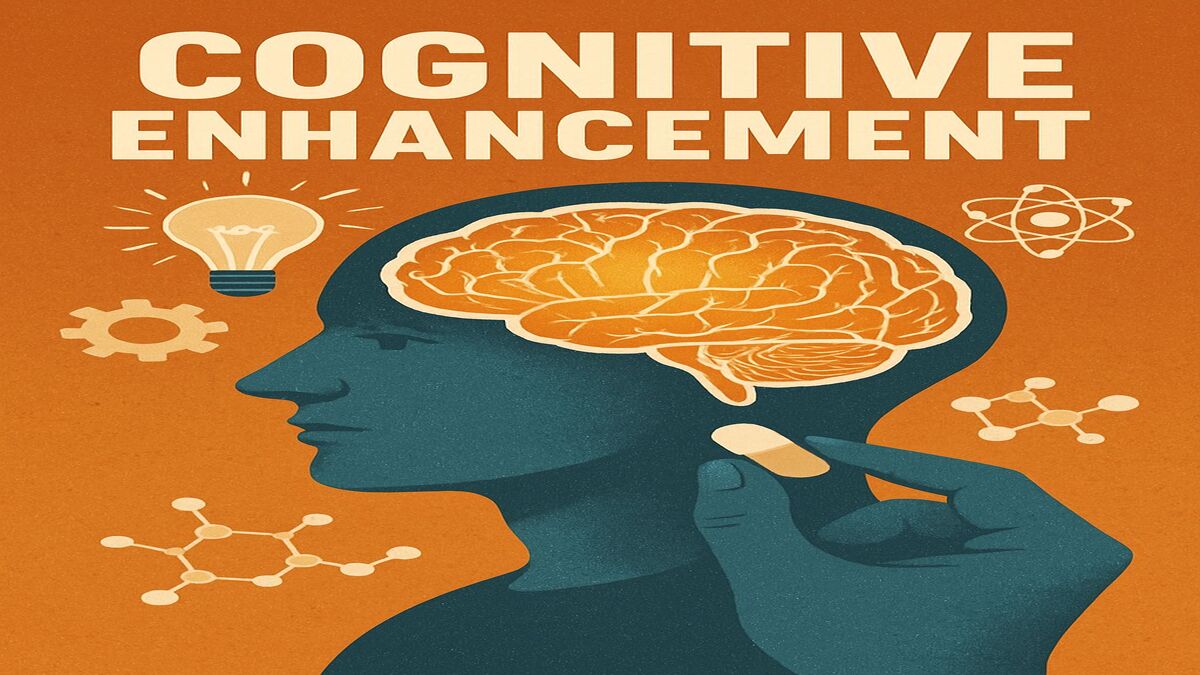
Cognitive fitness is now one of the fastest-growing areas of health science, with researchers at institutions like Harvard Medical School identifying specific, repeatable steps that measurably strengthen how your brain performs. Whether you are in your 30s building a foundation or in your 70s looking to protect what you have, the levers are the same. For those looking for structured guidance on implementing these steps, resources focused on cognitive enhancement and brain training can make the process significantly more actionable.

Your Brain Can Get Stronger at Any Age

Most people assume cognitive decline is just something that happens — inevitable, unstoppable, written into their DNA. That assumption is wrong, and the science has been clear on this for over two decades.

What Cognitive Fitness Actually Means

Cognitive fitness does not mean having a perfect memory or scoring high on an IQ test. It means having a brain that is operating at its best capacity for your current age — sharp, adaptable, and resilient under pressure.

According to Harvard Medical School, cognitive fitness encompasses a wide range of mental abilities that most people take for granted until they start slipping:

  • Thinking and reasoning — processing new information and drawing conclusions
  • Learning — acquiring and retaining new skills or knowledge
  • Recognition — identifying people, places, objects, and patterns
  • Communication — expressing ideas clearly and understanding others
  • Sound decision-making — weighing options and acting on good judgment

These are the skills that make independent, rewarding life possible. When any one of them starts to erode, the ripple effects touch everything — your relationships, your career, your confidence. Cognitive fitness is the bedrock that holds all of it together.

The Six Pillars That Drive Brain Health

Harvard Medical School doctors have identified six core lifestyle areas that, when practiced together, can meaningfully spur and protect cognitive fitness. These are not supplements or shortcuts — they are fundamental behaviors that shape the biological environment your brain lives in every single day. Each pillar reinforces the others, which is why the combined effect is far greater than any single intervention on its own.

How Your Brain Changes Over Time

Understanding how your brain evolves across your lifetime is the first step to protecting it. Cognitive function is not static — it shifts constantly from childhood through old age, shaped by genetics, environment, and the daily choices you make.

Neuroplasticity: Your Brain’s Ability to Rewire Itself

Neuroplasticity is the brain’s capacity to reorganize itself by forming new neural connections throughout life. This is not just a phenomenon of childhood development — it continues well into your 80s and beyond, though the rate and ease of change do slow with age.

Scientists believe you can maintain your brain’s optimal plastic capacity for your age by consistently engaging in activities that challenge it — things like exercise, learning new skills, and cognitively demanding tasks. The key word is consistently. Sporadic effort produces minimal results. Regular challenge is what keeps the neural pathways active and adaptable.

Cognitive Reserve and Why It Matters

Cognitive reserve refers to the brain’s ability to improvise and find alternate routes when primary neural pathways become damaged or degraded. Think of it as a backup network — the larger and more robust it is, the longer your brain can function at a high level even as age-related changes occur.

Building cognitive reserve is a lifelong project. Education, intellectually stimulating work, active social engagement, and regular learning all contribute to a thicker reserve buffer. People with higher cognitive reserve consistently show delayed onset of dementia symptoms, even when brain scans reveal the same degree of physical damage as those who decline much faster.

This is one of the most important concepts in all of brain health research because it means the lifestyle choices you make today are literally building structural resilience in your brain for decades to come. The investment pays forward, similar to how hearing health can be maintained by making informed lifestyle decisions.

Medical Conditions That Accelerate Cognitive Decline

Several common health conditions directly threaten cognitive fitness by damaging brain tissue, reducing blood flow, or disrupting the chemical environment neurons depend on. Heart disease and stroke restrict the oxygen supply your brain requires to function. Type 2 diabetes creates a state of chronic inflammation and vascular damage that degrades cognitive performance over time. Obesity, particularly in midlife, is independently associated with accelerated brain aging. Traumatic brain injury — even mild, repeated concussions — can have lasting structural consequences. Understanding these risks is not about fear — it’s about knowing exactly which health battles are also brain battles, so you can fight them on both fronts simultaneously.

Step 1: Eat for a Sharper Brain

What you eat is one of the most direct and controllable inputs into your brain’s biological environment. The nutrients in your bloodstream reach your neurons within hours of eating — this is not a slow or indirect relationship. For more on how your health can impact your senses, check out the first signs of hearing loss.

Foods Scientifically Linked to Better Brain Function

Certain foods consistently show up in the research as protective and performance-enhancing for the brain. Fatty fish like salmon, sardines, and mackerel deliver the omega-3 fatty acids — specifically DHA — that make up the structural fat in your brain’s cell membranes. Leafy greens like spinach, kale, and collards are packed with folate, vitamin K, and lutein, all of which are linked to slower cognitive aging. Blueberries contain flavonoids that improve neuron communication and have been shown in multiple studies to delay memory decline. Walnuts, eggs, and olive oil round out a short list of foods with strong, replicated evidence behind them.

The Best Diet Patterns for Cognitive Fitness

Individual foods matter, but overall dietary patterns matter more. The two most rigorously studied diets for brain health are the Mediterranean diet and the MIND diet — a hybrid specifically designed to target brain aging. Both are built on a plant-forward foundation of vegetables, fruits, whole grains, legumes, nuts, and healthy fats, with limited red meat, processed food, and added sugar. The MIND diet in particular specifies 10 brain-healthy food groups and 5 to limit, making it one of the most operationally precise dietary frameworks available for cognitive protection.

Foods That Actively Harm Your Brain

Ultra-processed foods, foods high in refined sugar, and diets heavy in saturated and trans fats are consistently associated with faster cognitive decline, increased inflammation in brain tissue, and poorer memory performance. Alcohol, even in moderate amounts, shrinks brain volume over time — particularly in the hippocampus, the region most critical to memory formation. These are not minor risks. They are measurable, biological threats to the organ you rely on for everything.

Step 2: Exercise Is the Most Powerful Brain Drug You Have

If you could bottle what exercise does to the brain and sell it as a pill, it would be the most sought-after cognitive enhancer ever created — and it is completely free.

How Physical Activity Directly Boosts Brain Function

Regular exercise increases blood flow to the brain, delivering more oxygen and glucose to active neurons. It stimulates the release of brain-derived neurotrophic factor (BDNF) — often called “Miracle-Gro for the brain” — which drives the growth of new neural connections and supports the survival of existing ones.

Exercise also triggers the growth of new neurons in the hippocampus, a process called neurogenesis that was once believed to be impossible in adults. This directly improves memory and learning capacity. Beyond structure, exercise reduces levels of cortisol and inflammatory markers that, when chronically elevated, erode brain tissue over time.

The Best Types of Exercise for Cognitive Health

Aerobic exercise — brisk walking, cycling, swimming, running — produces the strongest evidence for cognitive benefit, particularly for memory, attention, and processing speed. Resistance training adds a complementary layer, with research showing it specifically benefits executive function and the prefrontal cortex. The ideal cognitive fitness exercise program combines both. Even 150 minutes of moderate aerobic activity per week — broken into 30-minute sessions five days a week — is enough to produce measurable brain benefits. For more information, you can explore a guide to cognitive fitness.

Reducing sedentary time matters independently of exercise. Sitting for prolonged periods is associated with thinning in the medial temporal lobe — a brain region critical for memory — even in people who otherwise meet physical activity guidelines. Breaking up long sitting periods every 30 to 45 minutes with light movement is a separate and additive protective behavior.

How to Tell If Exercise Is Actually Improving Your Brain

Cognitive improvements from exercise are real but subtle in the early weeks. Most people notice improved mood, sharper focus during mentally demanding tasks, and faster mental recovery after stress before they notice memory improvements — which tend to emerge over two to three months of consistent training. Tracking simple metrics like your ability to concentrate for extended periods, your reaction time during decision-making, and your subjective mental energy levels at different points in the day gives you a practical window into whether your exercise routine is delivering cognitive results.

Step 3: Sleep Is When Your Brain Does Its Best Work

Most people treat sleep as the thing they sacrifice when life gets busy — and their brain pays the price quietly, steadily, and often irreversibly over time.

Sleep is not passive downtime. It is the single most biologically active period your brain experiences in any 24-hour cycle. During sleep, your brain cycles through distinct stages that each serve critical cognitive functions — consolidating memories, clearing metabolic waste, repairing neural tissue, and resetting the emotional and attentional systems you depend on during waking hours. For more insights into how your brain processes sound, consider understanding sound pitch and frequency.

There is a specific waste-clearance system called the glymphatic system that becomes almost exclusively active during deep sleep. It flushes out toxic proteins — including amyloid-beta, the protein most closely associated with Alzheimer’s disease — from brain tissue. Chronic sleep deprivation allows these proteins to accumulate. This is not a metaphor for feeling foggy. It is a measurable, structural threat to long-term cognitive health.

The cognitive costs of poor sleep show up fast and compound over time. Even a single night of fewer than six hours impairs working memory, attention, and decision-making to a degree comparable to mild intoxication. Chronically poor sleep is independently associated with:

  • Accelerated hippocampal shrinkage — directly reducing memory capacity
  • Elevated cortisol levels — creating a neuroinflammatory environment
  • Reduced BDNF production — slowing neural repair and growth
  • Impaired emotional regulation — making stress harder to manage
  • Faster accumulation of amyloid plaques — raising long-term dementia risk

How Sleep Stages Affect Memory Consolidation

Memory consolidation — the process of converting short-term experiences into stable long-term memories — happens primarily during two sleep stages: slow-wave deep sleep (Stage 3 NREM) and REM sleep. Deep sleep handles declarative memory, facts, and events you consciously experienced during the day. REM sleep processes emotional memories, procedural skills, and creative problem-solving. Cutting your sleep short by even 90 minutes reliably truncates the REM phase, which disproportionately appears in the final hours of a full sleep cycle — meaning late-night work habits are directly erasing the cognitive gains your brain is trying to lock in.

How Sleep Changes as You Age

As you age, your sleep architecture shifts in ways that make deep, restorative sleep harder to achieve. Older adults tend to experience less slow-wave sleep, more frequent nighttime awakenings, and an earlier natural sleep-wake cycle. The production of melatonin — the hormone that signals sleep onset — also declines with age, making it harder to fall asleep and stay asleep through the night.

These changes are real, but they are not entirely beyond your control. Many of the sleep disruptions that appear to be aging are actually the compounded result of poor sleep habits, untreated sleep apnea, medication side effects, and reduced physical activity — all of which are modifiable. Sleep apnea in particular is dramatically underdiagnosed in older adults and is a significant independent driver of cognitive decline when left untreated.

Proven Strategies for Better Sleep Quality

The most evidence-supported behavioral approach to improving sleep is Cognitive Behavioral Therapy for Insomnia (CBT-I) — a structured program that addresses the thought patterns and habits that disrupt sleep. It consistently outperforms sleep medication in long-term outcomes and produces no side effects. For most people, the core habits that drive meaningful improvement are straightforward: maintain a fixed wake time seven days a week, keep your bedroom cool (between 65–68°F), eliminate screens for at least 60 minutes before bed, and avoid caffeine after 2 PM.

Beyond those foundations, brief afternoon naps of 20 minutes or less can restore alertness and support memory consolidation without disrupting nighttime sleep. Naps longer than 30 minutes, however, pull you into deeper sleep stages and often worsen nighttime sleep quality — the timing and duration matter enormously.

Step 4: Challenge Your Brain Daily

Your brain operates on a simple biological principle — use it or lose it. Neural pathways that are regularly activated stay strong and efficient. Those that go unused get pruned. Deliberate, daily cognitive challenge is how you keep the most important circuits firing.

The Rules of Effective Mental Stimulation

Not all mental activity qualifies as brain training. Scrolling through social media, watching television, and doing tasks you have mastered years ago do not meaningfully challenge your brain because they do not require it to adapt or build new pathways. Effective mental stimulation follows three cardinal rules: it must be novel (new to you), progressively challenging (getting harder as you improve), and mentally engaging (requiring sustained attention and active processing).

Learning a new language, picking up a musical instrument, taking a course in an unfamiliar subject, or working through complex puzzles all satisfy these criteria. The domain matters less than the degree of challenge. A retired engineer who finds crossword puzzles effortless will get far more cognitive benefit from learning oil painting than from completing another puzzle book — even though the puzzle feels more “brain-like.”

Low-Tech Brain Training Activities That Actually Work

Some of the most effective brain training tools require nothing more than a library card or a set of chess pieces. Reading complex material — particularly non-fiction, literary fiction, and content outside your existing knowledge base — activates multiple cognitive systems simultaneously. Chess, bridge, and strategy-based board games build working memory, planning, and pattern recognition. Learning a new craft like knitting, woodworking, or calligraphy engages fine motor coordination alongside spatial reasoning and sustained attention. Journaling and expressive writing strengthen language processing, self-reflection, and emotional memory integration. These activities are not inferior to digital brain training — for many cognitive domains, they are superior.

Digital Brain Training: Apps, Games, and Online Tools

Computer-based brain training programs like Lumosity, BrainHQ, and CogniFit have been the subject of significant scientific debate. The honest picture is nuanced: well-designed digital training programs can produce real improvements in the specific cognitive skills they target — particularly processing speed, working memory, and attention. The more contested question is whether those gains transfer to real-world cognitive performance.

BrainHQ, developed by Posit Science, has the most robust independent research base of any commercial program, with multiple peer-reviewed studies showing transfer effects to everyday tasks. CogniFit offers specialized training modules including programs specifically designed for adults 65 and over and perception training — making it one of the more targeted digital options available. Used as one tool among many — not as a standalone solution — digital brain training earns its place in a comprehensive cognitive fitness routine. For more on how cognitive training can impact hearing health, explore related resources.

Step 5: Social Connection Keeps Your Brain Young

Of all the lifestyle factors that protect cognitive health, social connection is the one most consistently underestimated — and most rapidly eroding in modern life.

Loneliness is not just an emotional experience. It is a neurobiological state that activates chronic stress responses, increases inflammation, disrupts sleep, and directly accelerates cognitive aging. Research consistently shows that socially isolated individuals have higher rates of dementia, faster rates of cognitive decline, and worse outcomes following neurological events like stroke. The brain, as a fundamentally social organ, requires regular, meaningful human contact to function at its peak.

How Social Ties Directly Affect Cognitive Function

Social interaction is cognitively demanding in the best possible way. Navigating conversation requires real-time language processing, emotional interpretation, memory retrieval, attention management, and perspective-taking — all simultaneously. This makes meaningful social engagement one of the most comprehensive full-brain workouts available. Strong social networks are also associated with lower cortisol levels, better immune function, and more consistent adherence to other health-protective behaviors like exercise and sleep hygiene — creating a cascade of cognitive benefits that extends well beyond the social interaction itself.

Practical Ways to Build and Maintain Social Connections

The quality of social connection matters more than the quantity. A few deep, reciprocal relationships produce stronger cognitive benefits than a large network of superficial contacts. That said, variety in social engagement — mixing close friendships with community involvement, group activities, and intergenerational connections — appears to offer the broadest cognitive protection.

If your social network has narrowed with age, career demands, or geographic change, rebuilding it is a deliberate act that requires consistency over time. The most effective approaches tend to involve structured, recurring contexts — places where you show up regularly and interact with the same people over weeks and months:

High-Value Social Activities for Cognitive Health

Group exercise classes — combines physical and social cognitive benefits simultaneously

Book clubs or discussion groups — adds intellectual stimulation to social engagement

Volunteering — builds purpose, routine, and intergenerational connection

Learning classes (language, art, music) — combines novelty, challenge, and social interaction

Faith or community organizations — provide consistent belonging and structured social contact

Digital connection — video calls with distant family or online communities can meaningfully supplement in-person contact when necessary

The digital age has created genuine opportunities to maintain social connection across distance and mobility limitations — and for older adults in particular, video-based social contact has been shown to produce measurable cognitive and mood benefits. The key distinction is that passive digital consumption (scrolling, watching) produces none of these benefits, while active digital communication does.

Step 6: Stress Is Silently Shrinking Your Brain

Acute stress — the kind that sharpens your focus before a presentation or helps you react quickly in a dangerous situation — is biologically useful. Chronic stress is something else entirely, and it is one of the most underappreciated drivers of cognitive decline in modern life.

The problem is that most people experiencing chronic stress do not recognize it as a medical threat to their brain. It feels like a normal condition of adult life — always busy, always behind, always carrying more than is comfortable. But underneath that feeling, cortisol is accumulating in brain tissue, and the damage is structural.

What Chronic Stress Does to Brain Structure

Chronically elevated cortisol — the primary stress hormone — is directly neurotoxic to the hippocampus, the brain region most central to memory formation and retrieval. Sustained high cortisol levels cause hippocampal neurons to shrink, reduce dendritic branching (the physical connections between neurons), and suppress neurogenesis — the growth of new brain cells. The result is measurably smaller hippocampal volume and demonstrably worse memory performance in chronically stressed individuals compared to their peers.

Chronic stress also impairs the prefrontal cortex — the seat of executive function, judgment, and impulse control — while simultaneously strengthening the amygdala, the brain’s threat-detection center. This neurological shift makes stressed individuals more reactive, less rational, and less capable of the higher-order thinking that defines cognitive fitness. It is a biological rewiring that moves in entirely the wrong direction.

Evidence-Based Stress Reduction Techniques

Mindfulness-based stress reduction (MBSR) — an 8-week structured program developed by Dr. Jon Kabat-Zinn — has among the strongest research support of any non-pharmacological stress intervention, with studies showing measurable reductions in cortisol, improvements in attention and working memory, and increased gray matter density in the prefrontal cortex after consistent practice.

Beyond formal programs, regular aerobic exercise, diaphragmatic breathing (particularly extended exhale breathing, with exhales twice as long as inhales), time in nature, and maintaining strong social connections all produce clinically meaningful reductions in chronic stress markers. The most effective approach combines at least two of these strategies practiced daily — stress reduction, like cognitive fitness itself, is a consistency game.

Step 7: Purpose and Positivity Are Cognitive Fitness Tools

The final pillar of cognitive fitness is also the most philosophical — and backed by more hard science than most people expect.

Having a clear sense of purpose — a reason to get up in the morning that extends beyond daily obligation — is independently associated with better cognitive outcomes, lower dementia risk, and slower cognitive aging. This is not simply because purposeful people make better lifestyle choices, though they do. The relationship between purpose and brain health appears to be direct, operating through measurable biological pathways including reduced inflammatory markers, more stable cortisol rhythms, and better sleep architecture.

Positivity operates through similar mechanisms. A consistently negative or pessimistic cognitive style is associated with faster hippocampal aging, higher rates of depression (itself a cognitive risk factor), and worse recovery outcomes following neurological events. A positive mindset, by contrast, is associated with better immune function, lower cardiovascular risk, and more robust social networks — all of which feed back directly into cognitive health.

  • Engage in meaningful work — paid, voluntary, creative, or caregiving — that requires skill and produces a sense of contribution
  • Set learning goals that give you something intellectually worthwhile to work toward
  • Practice gratitude deliberately — specific, written gratitude has stronger neurological effects than generalized positive thinking
  • Cultivate optimism actively — through cognitive reframing, not toxic positivity
  • Connect your daily actions to larger values — people who articulate why their habits matter to them adhere to them far more consistently

Purpose and positivity are not personality traits you either have or do not have. They are cognitive orientations that can be deliberately practiced, strengthened, and maintained — just like muscle tone.

How a Positive Mindset Protects the Aging Brain

Research from Yale University has shown that older adults with more positive self-perceptions of aging live an average of 7.5 years longer than those with negative self-perceptions — a finding that held even after controlling for health status, income, loneliness, and functional health. The mechanism appears to involve both behavioral and direct biological pathways, including lower allostatic load (the cumulative wear on the body from chronic stress) and more consistent engagement in health-protective behaviors.

Practically, this means that how you think about aging is itself a modifiable risk factor for cognitive decline. Treating cognitive fitness as something you are actively building — rather than something you are passively losing — changes both your biology and your behavior in measurable ways. The mindset is not separate from the strategy. It is part of it.

How to Define and Articulate Your Life Purpose

Purpose does not require a grand mission statement or a dramatic life reinvention. For most people, it lives in the intersection of what they are good at, what they genuinely care about, and what creates value for others. The practical exercise is deceptively simple: write down three to five things that, when you are doing them, make time feel well spent. Then look for the common thread. That thread is your purpose — and naming it explicitly, even in a single sentence, gives your brain a navigational anchor that influences behavior, stress response, and cognitive engagement every single day.

How to Build Your Personal Cognitive Fitness Routine

The 8-Week Cognitive Fitness Starter Framework

Week Focus Pillar Core Action Daily Time Investment
1 Sleep Set a fixed wake time; eliminate screens 60 min before bed 0 extra minutes (habit shift)
2 Exercise Add three 30-minute brisk walks per week 30 minutes, 3x weekly
3 Diet Add one serving of leafy greens and one serving of fatty fish per day 10–15 minutes
4 Mental Stimulation Begin learning one new skill (language, instrument, or craft) 20–30 minutes
5 Social Connection Schedule two meaningful social interactions per week 60 minutes, 2x weekly
6 Stress Management Begin a daily 10-minute mindfulness or breathing practice 10 minutes
7 Purpose & Positivity Write a purpose statement; begin a daily gratitude log 5–10 minutes
8 Integration Stack all six pillars into a sustainable weekly rhythm Ongoing

Building a cognitive fitness routine that actually sticks requires the same principle that applies to any successful behavior change — start smaller than feels necessary, anchor new habits to existing ones, and add complexity only after the foundation is solid. The 8-week framework above is designed specifically around this principle. Each week introduces one new pillar so your brain and schedule can absorb the change before the next one arrives.

The most common mistake people make when starting a brain health program is trying to overhaul everything at once. They overhaul their diet, start a new exercise program, download three brain training apps, and commit to meditating daily — all in week one. By week three, two or three of those habits have collapsed under their own weight, and the resulting sense of failure makes it harder to restart. Sequencing matters. Consistency over time matters far more than the ambition of your starting point.

Once all six pillars are active in your routine, the goal shifts from implementation to optimization. That means progressively increasing the challenge in your exercise and mental stimulation activities, refining your diet toward the more specific recommendations of the MIND diet, and regularly evaluating which areas of your cognitive fitness feel strongest and which need more deliberate attention.

Week-by-Week Plan to Implement All Six Pillars

Weeks one through four are about establishing the physiological foundation — sleep, movement, nutrition, and mental challenge. These four pillars produce the most direct and measurable biological changes in brain structure and chemistry, and they create the neurological conditions in which the final three pillars produce their strongest effects. Do not skip ahead. A brain that is sleep-deprived, sedentary, and poorly nourished will extract far less benefit from social engagement or mindfulness practice than one operating on a solid biological foundation.

Weeks five through eight layer in the behavioral and psychological pillars — social connection, stress management, and purpose — and then consolidate everything into an integrated weekly schedule. By week eight, your goal is a routine that feels sustainable for years, not just manageable for months. The benchmark for success is not perfection across all six pillars. It is consistent, progressive engagement with all of them over the long term.

How to Track Your Cognitive Progress Over Time

Tracking cognitive progress does not require neuroimaging or formal neuropsychological testing — though both are available and increasingly accessible. For most people, a practical combination of subjective and objective self-monitoring provides enough signal to evaluate whether the program is working and where adjustments are needed. The most useful self-monitoring metrics include: sustained attention duration (how long you can focus before distraction), subjective mental energy at consistent points in the day, sleep quality ratings, mood stability, and performance on a consistent cognitive benchmark task — such as a specific puzzle, memory game, or processing speed test taken weekly under identical conditions.

Formal baseline assessments are worth doing at the start of any serious cognitive fitness program. The Montreal Cognitive Assessment (MoCA) is a widely used clinical screening tool that can be administered by a healthcare provider and provides a standardized baseline across multiple cognitive domains. BrainHQ and CogniFit both offer computerized assessments that give domain-specific cognitive scores and track changes over time. Reassessing every 90 days gives you enough time for meaningful change to occur while keeping the feedback loop tight enough to catch and correct problems early.

Adjusting Your Routine as You Age

A cognitive fitness routine that works optimally in your 40s will need meaningful modification in your 60s and 70s — not because the pillars change, but because the implementation details need to account for physiological shifts in recovery time, sleep architecture, injury risk, and social circumstances. The core framework remains identical. The specific expressions of each pillar evolve.

In your 60s and beyond, resistance training becomes proportionally more important as a cognitive intervention because it specifically targets executive function — the cognitive domain that tends to show the earliest age-related decline — and because maintaining muscle mass directly supports the metabolic health that underlies brain function. Exercise intensity can be moderated while frequency is maintained. Recovery between sessions may need to lengthen. The key is keeping the stimulus consistent even as the format adapts.

Social connection often requires the most proactive management in later decades, as retirement, geographic relocation, and the loss of peers can dramatically narrow social networks. Treating social engagement as a scheduled, non-negotiable commitment — rather than something that happens organically — becomes increasingly important. Structured programs, community organizations, volunteer roles, and learning communities all create the recurring social contexts that casual adult life no longer automatically provides.

A Sharper Mind Is Built One Daily Choice at a Time

Cognitive fitness is not a destination you arrive at — it is a direction you choose to keep moving in, built from hundreds of small, daily decisions that compound silently into either resilience or decline. The research is unambiguous: the brain responds to how you treat it, at every age, in every decade. Every meal, every workout, every hour of sleep, every new challenge, every meaningful conversation, and every moment of genuine rest is either building your cognitive reserve or drawing it down. The science gives you the map. What you do with it is entirely up to you. For more information, check out this guide to cognitive fitness.

Frequently Asked Questions

The questions below address the most common points of confusion and skepticism about brain training and cognitive fitness — answered directly, without oversimplification.

At What Age Should You Start Brain Training?

The best time to start is now, regardless of your current age. Neuroplasticity is active throughout the entire lifespan, and cognitive reserve can be built at any point. That said, the earlier you begin, the larger the reserve you accumulate — and the longer you have before age-related changes begin to draw on it. Research suggests that midlife (your 40s and 50s) is a particularly high-leverage window, because the lifestyle choices made during this period have measurable effects on brain structure and dementia risk decades later.

For younger adults in their 20s and 30s, brain training is less about prevention and more about optimization — building the neural efficiency, cognitive flexibility, and healthy habits that will pay compounding dividends for the rest of their lives. There is genuinely no age at which it is too late to start, and no age at which the effort stops producing returns.

Can Brain Training Apps Really Improve Cognitive Function?

Yes — with important qualifications. Well-designed digital brain training programs can produce real, measurable improvements in the specific cognitive skills they target. The question of whether those improvements transfer to real-world cognitive performance — called far transfer — is where the science becomes more nuanced. Programs with the strongest evidence base, particularly BrainHQ by Posit Science, have demonstrated transfer effects to everyday tasks including driving performance, memory for names and faces, and processing speed in daily life situations. Programs with weaker research behind them tend to make you better at the specific game you are playing without producing broader cognitive benefits.

The most important context is that no brain training app replaces the foundational pillars — sleep, exercise, diet, and social connection — which produce the biological conditions that make all cognitive training more effective. Apps are a useful supplementary tool. They are not a standalone brain health strategy. For a deeper understanding of brain health, explore this guide to cognitive fitness.

How Long Does It Take to See Results From Brain Training?

It depends entirely on which pillar you are measuring and what outcome you are tracking. Exercise produces mood and attention improvements within the first one to two weeks of consistent training. Sleep quality improvements from behavioral changes typically emerge within two to four weeks. Memory improvements from dietary changes take longer — often two to three months of consistent adherence before they become reliably noticeable.

Cognitive gains from learning new skills tend to become apparent within four to eight weeks of regular practice, with continued improvement as long as the challenge level keeps pace with your growing ability. The consistent thread across all pillars is that two to three months of genuine consistency is the minimum window for meaningful, measurable cognitive change.

Is Cognitive Decline Inevitable as You Age?

Some degree of change in cognitive processing is a normal part of biological aging — processing speed does slow, and certain types of memory retrieval become less efficient over time. But the rate, severity, and functional impact of cognitive change are profoundly modifiable. The distinction between normal cognitive aging and pathological cognitive decline is enormous, and lifestyle factors determine, in large part, which trajectory you follow.

The research is clear that many people in their 70s, 80s, and even 90s maintain sharp, highly functional cognitive performance — a group sometimes called “superagers” — and that their brains show measurably less age-related atrophy than peers who do not maintain cognitively and physically active lifestyles. The factors that distinguish superagers are almost entirely the same six pillars discussed throughout this guide:

  • Regular vigorous physical activity maintained throughout midlife and beyond
  • Strong, consistent social engagement and meaningful relationships
  • Cognitively demanding work or hobbies pursued with genuine effort
  • Consistent, high-quality sleep prioritized as a non-negotiable health behavior
  • Plant-forward diets low in processed food and refined sugar
  • Effective management of chronic stress through practiced, daily strategies

Decline is not destiny. It is, in large part, a consequence of specific choices — which means it is also within your power to significantly redirect.

What Is the Single Most Effective Thing You Can Do for Brain Health?

The Evidence Ranking: Brain Health Interventions by Strength of Research Support

Intervention Evidence Strength Primary Cognitive Benefit
Regular aerobic exercise ★★★★★ Highest Memory, attention, processing speed, executive function
Quality sleep (7–9 hours) ★★★★★ Highest Memory consolidation, waste clearance, emotional regulation
Mediterranean/MIND diet ★★★★ High Reduced cognitive decline rate, memory protection
Social engagement ★★★★ High Dementia risk reduction, cognitive reserve building
Cognitive challenge/learning ★★★★ High Cognitive reserve, processing flexibility
Stress reduction (MBSR) ★★★ Moderate-High Hippocampal protection, attention, working memory
Digital brain training apps ★★ Moderate Targeted skill improvement, processing speed

If forced to name one single intervention, the research most consistently points to regular aerobic exercise — specifically because of its simultaneous effects on BDNF production, neurogenesis, vascular health, cortisol regulation, and sleep quality. It is the only intervention that directly and measurably improves every other pillar of cognitive fitness as a side effect of doing it consistently.

That said, the honest answer is that exercise produces its strongest cognitive effects when sleep is adequate, diet is supportive, and chronic stress is managed. Isolating a single variable in a system this interconnected produces a misleading picture. The six pillars work as a system — pulling hard on one while neglecting others produces far less benefit than moderate, consistent engagement across all of them. For example, understanding how to maintain hearing health can be an integral part of overall wellness.

The practical implication: if you are currently doing nothing and need a place to start, start with a 30-minute brisk walk every day. It will improve your sleep, reduce your cortisol, increase your BDNF, and give you the mental clarity and energy to begin implementing everything else. It is the highest-leverage single entry point into the entire system.

Can You Rebuild Cognitive Function After Decline Has Started?

Yes — meaningfully, if not always completely. The brain’s neuroplasticity means that even after measurable cognitive decline has begun, targeted lifestyle intervention can produce real improvements in function. Studies of older adults with mild cognitive impairment (MCI) — the stage between normal aging and dementia — consistently show that aerobic exercise programs, dietary interventions, and cognitive training can slow progression, improve specific cognitive domains, and in some cases produce measurable recovery of function. The earlier intervention begins, the more room there is for recovery — but improvement is possible at virtually every stage short of advanced neurodegeneration.

The critical caveat is that rebuilding requires addressing the underlying drivers of decline, not just adding cognitive training on top of an otherwise unchanged lifestyle. If cognitive decline is being accelerated by poor sleep, chronic stress, physical inactivity, or untreated conditions like sleep apnea or metabolic syndrome, those need to be addressed first. Cognitive training applied to a brain that is still operating in a damaging biological environment is significantly less effective than the same training applied once the environment has been improved.

How Does Diet Compare to Exercise for Brain Health?

Both are essential, and neither fully substitutes for the other — but the mechanisms are different enough that they are genuinely complementary rather than redundant. Exercise primarily affects brain health through acute and chronic neurochemical changes: BDNF, neurogenesis, vascular function, and cortisol regulation. Diet primarily affects brain health through the chronic chemical environment it creates — the inflammatory markers, oxidative stress levels, and nutrient availability that determine how well neurons can function and repair themselves day to day. The most powerful brain health outcomes in the research consistently come from populations that combine both — not from those who excel at one while neglecting the other.

What Are the Early Warning Signs of Cognitive Decline?

Early cognitive decline rarely announces itself dramatically. It tends to emerge quietly, in patterns that are easy to rationalize or dismiss — until the pattern becomes impossible to ignore. The most reliable early warning signs to watch for include: difficulty retrieving familiar words mid-conversation, increased reliance on lists and reminders for tasks that were previously automatic, trouble following complex conversations or multi-step instructions, getting lost in familiar places or losing track of familiar routines, and noticeable changes in judgment, decision-making quality, or emotional regulation.

The distinction between normal age-related forgetfulness and early pathological decline often comes down to frequency, progression, and functional impact. Occasionally forgetting where you put your keys is normal. Regularly forgetting that you own keys, or forgetting how to use them, is not. The pattern matters more than any single incident. For more insights on recognizing cognitive decline, explore our guide on how to know if you are losing your hearing.

If you notice consistent changes in your cognitive performance — or if people close to you have mentioned changes you have not fully acknowledged — a formal cognitive assessment with a neurologist or neuropsychologist is the appropriate next step. Early detection remains the single greatest advantage in managing any form of cognitive decline. The sooner you have accurate information, the more options you have — and the more time the six pillars have to do their work.

For those ready to take their cognitive fitness seriously and build a structured, science-backed approach to brain health, explore the expert resources and programs available to help you sharpen your mind and protect it for the long term.