Skip to content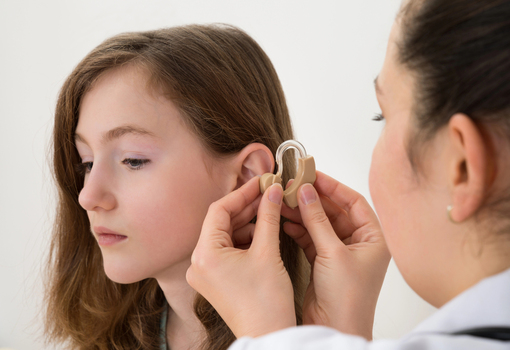
Article-At-A-Glance: What You Need to Know About Hearing Health
- Hearing health involves protecting your ability to hear, recognizing changes early, and obtaining appropriate evaluation when problems develop.
- Hearing loss can occur at any age and may be conductive, sensorineural, mixed, temporary, progressive, or sudden.
- Hearing difficulty can affect communication, relationships, work, social participation, and quality of life.
- Modern hearing care may include medical treatment, hearing aids, cochlear implants, assistive listening technology, rehabilitation, communication strategies, and hearing protection.
- Sudden unexplained hearing loss, particularly in one ear, requires prompt medical evaluation.
Hearing helps connect us with conversation, music, environmental sounds, family, work, and the world around us.
Yet hearing health is easy to overlook because many hearing changes develop gradually. People may begin turning up the television, asking others to repeat themselves, or struggling in noisy restaurants without immediately recognizing that their hearing has changed.
Good hearing health does not mean trying to prevent every hearing problem. Some forms of hearing loss result from aging, genetics, illness, congenital conditions, medications, or other factors that cannot always be prevented.
Instead, hearing health means protecting hearing from avoidable damage, recognizing meaningful changes, obtaining appropriate evaluation, and using effective treatment or communication support when needed.
What Is Hearing Health?
Hearing health includes the function of the auditory system as well as the practical ability to communicate and participate in everyday life.
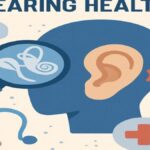
The auditory system includes the outer ear, middle ear, inner ear, auditory nerve, and brain pathways involved in detecting and interpreting sound.
A hearing problem can occur anywhere along this pathway.
Hearing health therefore involves more than simply asking whether someone can hear a tone. Speech understanding, communication needs, listening environments, tinnitus, medical symptoms, and quality of life can all be relevant.
How Hearing Works
Hearing begins when sound waves enter the outer ear and travel through the ear canal toward the eardrum.
The process can be summarized as follows:
- Sound enters the outer ear.
- The sound travels through the ear canal.
- The eardrum vibrates.
- The middle-ear bones transmit those vibrations toward the inner ear.
- Movement within the cochlea stimulates sensory hair cells.
- The auditory system converts this mechanical activity into neural signals.
- Signals travel through auditory pathways to the brain, where sound is perceived and interpreted.
The Outer Ear
The outer ear includes the visible portion of the ear, called the pinna or auricle, and the ear canal.
It collects sound and helps direct it toward the eardrum.
The Middle Ear
The middle ear contains the eardrum and three small bones called the malleus, incus, and stapes.
These structures transmit sound energy from the eardrum toward the fluid-filled inner ear.
The Inner Ear
The cochlea is the sensory organ responsible for hearing.
Specialized sensory hair cells within the cochlea help convert mechanical movement into neural activity.
In humans, significant loss of these sensory cells is generally permanent with current clinical treatment.
The inner ear also contains the vestibular organs involved in balance, although hearing and balance problems should not automatically be assumed to have the same cause.
What Is Hearing Loss?
Hearing loss occurs when the auditory system cannot detect or transmit sound normally.
It may affect one ear or both ears and can range from relatively mild difficulty to profound hearing loss.
Some forms are temporary or medically treatable. Others are permanent but can often be managed effectively with hearing technology, rehabilitation, communication strategies, or other support.
Learn more in Hearing Loss: The Complete Guide.
The Main Types of Hearing Loss
Conductive Hearing Loss
Conductive hearing loss occurs when sound is not efficiently transmitted through the outer or middle ear.
Possible causes include:
- Earwax blockage
- Middle-ear fluid
- Ear infections
- Eardrum abnormalities
- Problems involving the middle-ear bones
- Otosclerosis
- Congenital abnormalities
Some conductive hearing losses can improve when the underlying condition is treated. Others require longer-term management.
Sensorineural Hearing Loss
Sensorineural hearing loss generally results from dysfunction involving the cochlea or auditory neural pathways.
Potential contributors include:
- Aging
- Hazardous noise exposure
- Genetic factors
- Certain illnesses
- Some medications
- Head or ear injuries
- Other inner-ear conditions
Permanent sensorineural hearing loss cannot usually be reversed with current medical treatment, but hearing aids, cochlear implants, assistive technology, rehabilitation, and communication strategies can provide meaningful benefit for appropriate individuals.
Mixed Hearing Loss
Mixed hearing loss includes both conductive and sensorineural components.
Management may therefore involve medical treatment for the conductive component together with hearing technology or rehabilitation for the permanent component.
Common Signs of Hearing Difficulty
Hearing changes are not always obvious.
Possible signs include:
- Frequently asking people to repeat themselves
- Difficulty understanding conversation in background noise
- Feeling that people mumble
- Increasing television or device volume
- Difficulty understanding speech on the telephone
- Missing alarms, doorbells, or other environmental sounds
- Difficulty following group conversations
- Listening fatigue
- Withdrawing from situations where communication is difficult
- Tinnitus occurring with hearing difficulty
These signs do not establish a diagnosis. A hearing evaluation can determine whether hearing loss is present and provide information about its type and degree.
Why Hearing Loss Can Be Difficult to Notice
Many forms of hearing loss develop gradually.
The brain and everyday habits can adapt to small changes, which may make those changes less obvious to the person experiencing them.
For example, someone may begin relying more heavily on visual cues, choosing quieter restaurants, increasing television volume, or avoiding difficult listening situations without consciously recognizing why.
Family members sometimes notice these changes before the person with hearing loss does.
However, hearing loss does not always develop slowly. A sudden hearing change requires a different response.
Sudden Hearing Loss Requires Prompt Attention
Sudden sensorineural hearing loss can develop rapidly, often affecting one ear.
People may notice sudden reduced hearing along with tinnitus, ear fullness, or dizziness.
Sudden unexplained hearing loss should receive prompt medical evaluation.
Do not assume a sudden hearing change is simply caused by earwax, congestion, allergies, or aging.
Age-Related Hearing Loss
Age-related hearing loss, also called presbycusis, becomes increasingly common as people get older.
It usually develops gradually and commonly affects both ears.
Higher-frequency hearing is often affected earlier or more substantially, which can make consonants and speech in background noise difficult to understand.
Age-related hearing loss is influenced by multiple factors and should not simply be described as hair cells wearing out because someone has reached a particular age.
Noise-Induced Hearing Loss
Excessive noise can permanently damage hearing.
Noise-induced hearing loss may result from repeated hazardous exposure or from a single extremely intense acoustic event.
Potential sources include:
- Firearms
- Industrial machinery
- Power tools
- Motorsports
- Loud music
- Explosions
- Some recreational activities
Risk depends on both sound level and exposure duration.
A statement such as “anything above 85 dB is unsafe” is too simplistic. Occupational exposure limits and recreational listening guidance consider both intensity and time.
Learn more in Hearing Protection: The Complete Guide.
Protecting Your Hearing From Noise
Noise-induced hearing loss is one of the forms of hearing loss for which prevention can make an important difference.
Reduce Exposure When Possible
Increasing your distance from a loud sound source, reducing listening time, lowering volume, or leaving a noisy area can reduce exposure.
Use Appropriate Hearing Protection
Earplugs and earmuffs can reduce noise exposure when they are selected and worn correctly.
The amount of real-world protection depends heavily on fit. The number printed on a package should not be assumed to represent the exact attenuation every individual receives.
Be Careful With Personal Audio
Headphones and earbuds are not inherently harmful.
Risk depends primarily on listening level and duration.
Instead of relying on a universal percentage-of-maximum-volume rule, use comfortable listening levels, take breaks during prolonged listening, and use device-based safe-listening information when available.
Protect Children From Excessive Noise
Children can also experience noise-induced hearing damage.
Hearing protection designed to fit children may be appropriate at concerts, sporting events, fireworks displays, motorsports, and other loud activities.
Ear Infections and Hearing
Middle-ear infections can cause temporary conductive hearing loss when fluid or inflammation interferes with sound transmission.
Many cases improve as the underlying condition resolves.
Persistent or recurrent middle-ear problems can sometimes affect hearing for longer periods and deserve appropriate medical evaluation.
Outer-ear infections can also cause pain, swelling, drainage, and temporary hearing difficulty.
Persistent ear pain, drainage, significant swelling, or hearing changes should not be self-diagnosed solely from information online.
Medications and Hearing
Some medications can affect hearing or balance.
These are sometimes described as ototoxic medications.
Risk varies considerably according to the medication, dose, treatment duration, health conditions, and other factors.
Do not stop a prescribed medication because you are concerned about hearing without consulting the healthcare professional managing the treatment.
When a medication has known auditory risks, hearing monitoring may sometimes be appropriate.
Tinnitus and Hearing Health
Tinnitus is the perception of sound without a corresponding external sound source.
It is often described as ringing, buzzing, hissing, humming, or another sound.
Many people with tinnitus also have hearing loss, but tinnitus can occur without obvious hearing loss on a standard audiogram.
Hearing aids may help some people who have both tinnitus and hearing loss by improving access to environmental sound.
New unilateral tinnitus, pulsatile tinnitus, tinnitus associated with sudden hearing loss, or tinnitus accompanied by significant neurological or vestibular symptoms may require medical evaluation.
Learn more in Tinnitus: The Complete Guide.
Hearing Health and Communication
Hearing difficulty can affect communication even when hearing loss is relatively mild.
Background noise, distance, poor room acoustics, rapid speech, unfamiliar speakers, and lack of visual cues can make listening substantially more difficult.
Helpful communication strategies may include:
- Facing the person who is speaking
- Reducing unnecessary background noise
- Using good lighting
- Getting the listener’s attention before speaking
- Speaking clearly at a natural pace
- Rephrasing rather than repeatedly saying the same words
- Using captions or written information when helpful
- Moving closer to the speaker
- Using remote microphones or other assistive technology
Hearing Health and Social Connection
Communication difficulty can make social interaction more tiring and frustrating.
Some people with hearing loss begin avoiding restaurants, family gatherings, meetings, or other situations where understanding speech is difficult.
Research has found associations between hearing loss and social isolation, loneliness, depression, and reduced quality of life.
These outcomes are not inevitable. Improving communication access and maintaining meaningful social participation can be important parts of hearing care.
Hearing and Brain Health
Research has found an association between hearing loss and cognitive decline or dementia.
The relationship is complex and remains an active area of research.
Possible explanations include shared health factors, changes in auditory input, increased listening effort, and reduced social participation.
Hearing loss does not mean that someone will develop dementia, and hearing aids should not be presented as a guaranteed method of preventing cognitive decline.
Hearing care can, however, improve communication and help people remain engaged in everyday activities.
Learn more in Brain and Hearing Health: The Complete Guide.
Hearing Health and Listening Effort
When speech is difficult to hear, understanding conversation can require greater concentration.
This increased listening effort can contribute to fatigue, especially in long conversations, meetings, classrooms, or noisy environments.
Hearing technology, improved acoustics, communication strategies, captioning, and assistive listening systems can help reduce some of these communication demands.
What Happens During a Hearing Evaluation?
A comprehensive hearing evaluation may include several components depending on age, symptoms, medical history, and the reason for testing.
Case History
The clinician may ask about hearing concerns, noise exposure, tinnitus, dizziness, ear infections, medications, family history, previous ear surgery, and situations where communication is difficult.
Otoscopy
An otoscope is used to examine the ear canal and eardrum.
This can identify visible findings such as earwax blockage, inflammation, drainage, or certain structural abnormalities.
Pure-Tone Audiometry
Pure-tone testing measures the softest tones a person can detect across selected frequencies.
Results are displayed on an audiogram.
Speech Testing
Speech tests can measure speech-detection or reception thresholds and word recognition under controlled conditions.
Some evaluations also include speech-in-noise testing.
Middle-Ear Testing
Tympanometry and related tests provide information about middle-ear function.
Additional Tests
Depending on the findings, an evaluation may include otoacoustic emissions, auditory brainstem response testing, vestibular testing, imaging, or other medical assessment.
Learn more in Hearing Tests & Audiograms.
Understanding an Audiogram
An audiogram displays hearing thresholds across tested frequencies.
The horizontal axis represents frequency, or pitch, while the vertical axis represents hearing level in decibels hearing level (dB HL).
Standard symbols commonly include an O for unmasked right-ear air-conduction thresholds and an X for unmasked left-ear thresholds.
Clinicians consider much more than whether a threshold falls into a particular category. They also evaluate differences between ears, audiogram configuration, air- and bone-conduction relationships, speech results, symptoms, and medical history.
Hearing-loss classifications vary somewhat among professional systems, so category boundaries should not be treated as universal biological dividing lines.
Hearing Aids
Hearing aids are electronic devices designed to improve access to sound for people with hearing loss.
Modern digital hearing aids can provide frequency-specific amplification and may include:
- Directional microphones
- Noise management
- Rechargeable batteries
- Wireless connectivity
- Smartphone controls
- Telecoils
- Remote microphone integration
- Optional tinnitus sound features
Hearing aids cannot restore normal biological hearing, but appropriately selected and fitted devices can improve communication for many people.
Learn more in Hearing Aids: The Complete Guide.
Prescription and Over-the-Counter Hearing Aids
Adults in the United States can obtain both prescription and over-the-counter hearing aids.
OTC hearing aids are intended for adults age 18 and older with perceived mild to moderate hearing loss.
Prescription hearing aids can address a broader range of hearing needs and typically involve professional evaluation, fitting, and follow-up.
OTC devices should not automatically be described as inferior. They may be appropriate for some adults within their intended population.
People with sudden hearing changes, significant differences between ears, ear pain, drainage, substantial dizziness, or other concerning symptoms should seek professional evaluation rather than simply purchasing an OTC device.
Common Hearing-Aid Styles
Hearing aids are available in several physical styles.
Behind-the-Ear (BTE)
BTE devices place the primary electronic components behind the ear and deliver sound through tubing connected to an earpiece or earmold.
Receiver-in-Canal or Receiver-in-the-Ear (RIC/RITE)
RIC and RITE devices place the main hearing-aid body behind the ear while positioning the receiver in the ear canal.
In-the-Ear (ITE)
ITE hearing aids use a custom shell that fits within the outer ear.
In-the-Canal and Completely-in-Canal Devices
ITC and CIC devices fit partly or substantially within the ear canal.
The appropriate style depends on hearing loss, ear anatomy, dexterity, comfort, maintenance needs, desired features, and personal preferences.
No single hearing-aid style is best for everyone.
Learn more in Hearing Technology: The Complete Guide.
Cochlear Implants
Cochlear implants are electronic hearing devices for appropriately selected children and adults with significant hearing loss who receive limited benefit from hearing aids.
Unlike hearing aids, which amplify sound, cochlear implants bypass damaged portions of the inner ear and electrically stimulate the auditory nerve.
Cochlear implantation requires specialized evaluation, surgery, device programming, and rehabilitation.
Candidacy is based on more than the degree of hearing loss alone.
Bone-Conduction and Implantable Hearing Systems
Bone-conduction hearing systems transmit sound through vibration of the skull rather than relying on conventional air conduction through the ear canal and middle ear.
They may be considered for certain conductive or mixed hearing losses and some cases of single-sided deafness.
Systems include surgical and nonsurgical options, and candidacy depends on the individual’s hearing and medical situation.
These devices should be evaluated through an appropriate hearing-care team rather than chosen solely from general online descriptions.
Assistive Listening Technology
Assistive listening technology can improve access to speech, television, telephone communication, alarms, and public-address systems.
Examples include:
- Remote microphones
- Hearing loops
- Captioned telephones
- Real-time captioning
- Television streaming systems
- Visual and vibrating alerts
Some technologies integrate with hearing aids or cochlear implants, while others can be used independently.
Supporting Someone With Hearing Loss
Communication difficulties are often easier to manage when both people participate in the solution.
Helpful practices include:
- Get the person’s attention before speaking.
- Face the listener when practical.
- Speak clearly at a natural pace.
- Reduce unnecessary background noise.
- Avoid speaking from another room.
- Rephrase when something is misunderstood.
- Use captions, text, or written information when useful.
- Ask the person which communication strategies work best for them.
Shouting can distort speech and is usually less helpful than speaking clearly while improving the listening environment.
Hearing Health in Children
Hearing is important for access to speech, language, education, and environmental sound during childhood.
Newborn hearing screening helps identify many infants who need further evaluation.
However, passing a newborn screening does not guarantee that hearing will remain normal throughout childhood.
Parents, caregivers, teachers, and healthcare professionals should pay attention to concerns involving speech development, inconsistent responses to sound, communication difficulty, or school performance.
Children with suspected hearing problems should receive age-appropriate professional evaluation.
How Often Should Hearing Be Tested?
There is no single testing schedule appropriate for every adult.
Testing frequency depends on factors such as:
- Age
- Symptoms
- Previous hearing results
- Occupational or recreational noise exposure
- Medications with potential auditory effects
- Medical history
- Family history
- Professional recommendations
A hearing evaluation is appropriate whenever you notice a meaningful change in hearing or communication.
Workers enrolled in occupational hearing-conservation programs may require testing according to applicable workplace standards.
Who Provides Hearing Care?
Audiologists
Audiologists are healthcare professionals with graduate-level education and specialized training in hearing and balance assessment and management.
Many current audiologists hold a Doctor of Audiology degree, while some practicing audiologists entered the profession through earlier qualifying graduate-degree pathways.
Hearing Instrument Specialists
Hearing instrument specialists are licensed according to state requirements to evaluate hearing for hearing-aid selection and fit and dispense hearing aids within their authorized scope.
Otolaryngologists
Otolaryngologists, commonly called ENT physicians, are medical doctors who diagnose and treat diseases and disorders involving the ear and related structures.
The appropriate professional depends on the person’s symptoms and needs.
Frequently Asked Questions
At What Age Should Adults Get Their Hearing Tested?
There is no universal requirement that every adult obtain a baseline test in their 20s or 30s followed by testing every decade and then every one to three years after age 50.
A hearing evaluation is appropriate when symptoms develop or when individual risk factors or professional recommendations justify monitoring.
People with significant occupational noise exposure may have specific testing requirements through workplace hearing-conservation programs.
Can Hearing Loss Be Reversed?
It depends on the cause.
Some conductive hearing losses may improve when an underlying problem such as earwax blockage or certain middle-ear conditions is treated.
Most chronic sensorineural hearing loss cannot currently be reversed by restoring damaged cochlear sensory cells.
Sudden sensorineural hearing loss is different and requires prompt medical evaluation because treatment may improve recovery in some cases.
What Is the Difference Between an Audiologist and a Hearing Instrument Specialist?
Audiologists have graduate-level professional education in hearing and balance and provide diagnostic and rehabilitative services within their professional scope.
Hearing instrument specialists are licensed according to state requirements and focus primarily on hearing testing related to hearing-aid selection and the fitting and dispensing of hearing aids.
Exact scopes of practice vary by jurisdiction.
How Loud Is Too Loud?
There is no single sound level that can be separated from exposure time.
NIOSH recommends limiting occupational noise exposure to 85 dBA averaged over eight hours and uses a 3-dB exchange rate, meaning recommended exposure duration decreases as sound level rises.
Recreational listening environments differ from occupational exposure, but the same basic principle applies: louder sound generally allows less exposure time.
Are Hearing Aids Only for Severe Hearing Loss?
No.
Hearing aids can be appropriate for people with different degrees and configurations of hearing loss when communication difficulties and hearing-test findings indicate that amplification may help.
The decision should not be based solely on one decibel threshold.
Do Hearing Aids Prevent Dementia?
Hearing aids should not be described as proven to prevent dementia.
Hearing loss is associated with cognitive decline and dementia in population research, and researchers continue studying whether hearing intervention changes cognitive outcomes.
Regardless of cognitive outcomes, appropriately fitted hearing technology can improve communication and access to sound for many people with hearing loss.
How Long Do Hearing Aids Last?
There is no universal lifespan.
Device longevity depends on construction, maintenance, moisture, earwax, battery system, repair history, technological compatibility, and the user’s changing hearing needs.
Hearing aids do not need to be replaced simply because they reach a predetermined age if they remain reliable and continue meeting the user’s needs.
Does Insurance Cover Hearing Care?
Coverage varies considerably by health plan, service, age, location, and reason for testing.
Original Medicare generally does not cover hearing aids or routine hearing exams for fitting hearing aids, although certain diagnostic hearing and balance evaluations may be covered when Medicare requirements are met.
Medicare Advantage plans, Medicaid programs, private insurance, employer benefits, and veterans’ benefits can differ substantially.
Verify current coverage directly with the relevant health plan or program before assuming that a service or device is covered.
When Is a Hearing Problem Urgent?
Sudden unexplained hearing loss deserves prompt medical evaluation.
Urgent assessment may also be appropriate when a hearing change occurs with significant neurological symptoms, serious head injury, severe dizziness, substantial ear drainage, or other rapidly developing or concerning symptoms.
Reliable Sources and Further Reading
- National Institute on Deafness and Other Communication Disorders — Hearing, Ear Infections, and Deafness
- NIDCD — Age-Related Hearing Loss
- NIDCD — Noise-Induced Hearing Loss
- NIDCD — Hearing Aids
- NIDCD — Sudden Sensorineural Hearing Loss
Apex Provides Education, Not Individual Medical Care
Apex Brain & Hearing Health provides general educational information about hearing health, hearing loss, hearing protection, hearing technology, and related topics.
This guide cannot diagnose an individual’s hearing problem or determine which medical treatment or hearing technology is appropriate.
Seek appropriate professional evaluation for persistent or concerning hearing changes. Sudden unexplained hearing loss should receive prompt medical attention.
Read the Apex Medical Disclaimer