Skip to content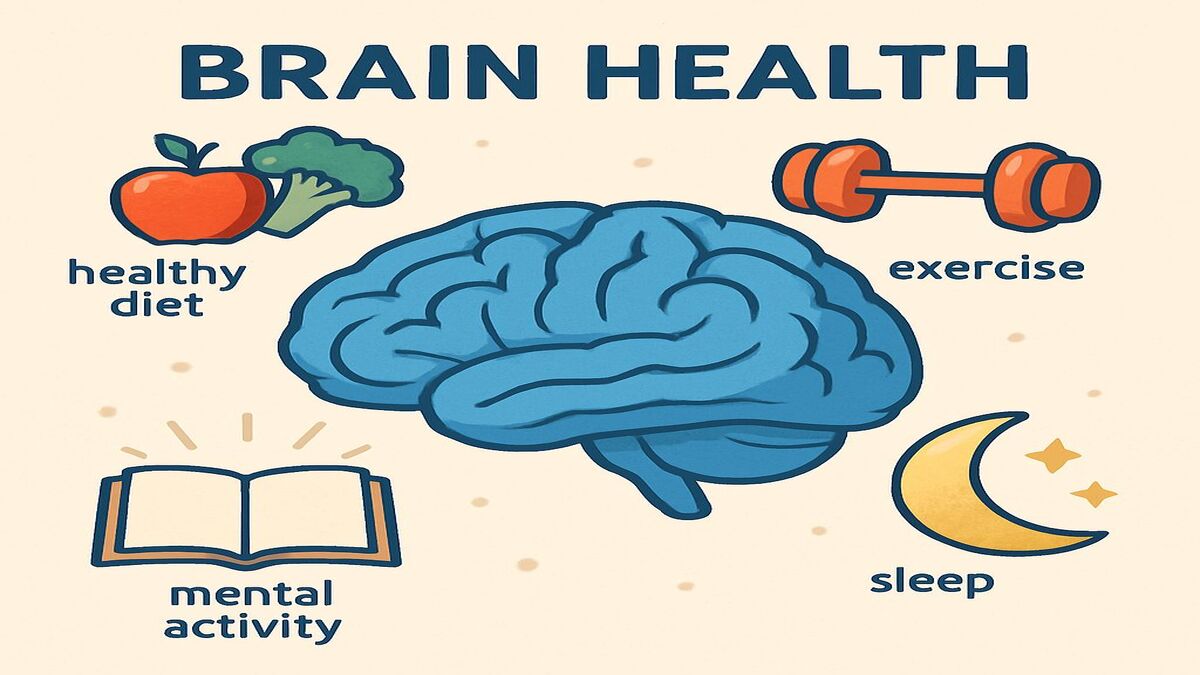
- Your brain never stops changing — neuroplasticity is active at every stage of life, from infancy through old age, meaning it’s never too late to improve your brain health.
- Lifestyle choices directly shape your brain’s wiring — exercise, sleep, learning new skills, and mindfulness all trigger measurable structural changes in the brain.
- Neuroplasticity isn’t always positive — chronic stress, trauma, and poor habits can rewire the brain in harmful ways, making daily habits more important than most people realize.
- The brain can recover and compensate after injury — through targeted rehabilitation, neuroplasticity allows damaged areas to reassign functions to healthier regions.
- Keep reading to discover the five key principles scientists say are essential to triggering real neuroplastic change — and how to apply them starting today.
Your Brain Is Not Fixed — Here’s What That Means for You
For most of the 20th century, scientists believed the adult brain was essentially hardwired — that after a certain age, what you had was what you got. That idea has been completely dismantled. The brain you have today is not the brain you’ll have next year, and that’s not a metaphor.
Neuroplasticity — the brain’s capacity to reorganize its structure, functions, and neural connections in response to experience — is one of the most significant discoveries in modern neuroscience. It changes how we think about learning, recovery, mental health, and aging. Understanding it isn’t just academically interesting. It’s practically useful for anyone who wants to think sharper, feel better, and age well. Brain health resources like those provided by Arrowsmith have been at the forefront of applying neuroplasticity research to real-world cognitive improvement programs for decades.
What Is Neuroplasticity?
Neuroplasticity — also called brain plasticity or neural plasticity — is the brain’s ability to change its activity in response to intrinsic or extrinsic stimuli by reorganizing its structure, functions, or connections. In plain terms: your brain physically rewires itself based on what you do, think, feel, and experience.
The Brain’s Ability to Rewire Itself
Every time you learn something new, practice a skill, or even change a thought pattern, your brain forms new neural pathways or strengthens existing ones. Connections that go unused weaken and eventually get pruned away — a process neuroscientists call synaptic pruning. This is the brain’s way of staying efficient.
As Dr. Michael Merzenich, chair of the Science of Learning Innovation Group at Harvard Medical School, puts it: “Neuroplasticity is the brain’s ability to learn, remember, and change when it is appropriate for the circumstances.” That single sentence carries enormous implications. It means the brain is always listening to what you do with it.
- New experiences form new neural connections
- Repeated behaviors strengthen existing pathways
- Unused connections weaken over time through pruning
- The brain can reassign functions to different regions when needed
- Both positive and negative experiences drive plastic change
Synaptic Plasticity: How Neural Connections Strengthen and Weaken
At the cellular level, neuroplasticity is driven largely by synaptic plasticity — changes in the strength of the connections (synapses) between neurons. When two neurons fire together repeatedly, their connection becomes more efficient. This is often summarized as “neurons that fire together, wire together.” The opposite is also true: connections that go unused are gradually weakened. For more insights into neuroplasticity, you can explore this comprehensive guide.
This is why deliberate, focused practice matters so much. It’s not just repetition — it’s the quality of engaged attention during repetition that drives synaptic strengthening. Passive exposure to new information rarely produces lasting neural change.
Structural vs. Functional Plasticity
There are two broad categories of brain change worth distinguishing. Structural plasticity refers to actual physical changes in the brain — growth of new neurons (neurogenesis), changes in synaptic density, or shifts in gray matter volume. Functional plasticity refers to the brain’s ability to shift functions from damaged or underperforming areas to healthier ones. Both forms are real, measurable, and clinically significant.
Types of Neuroplasticity
Neuroplasticity isn’t a single process — it’s an umbrella term that covers several distinct biological mechanisms. Each operates differently and serves a different purpose in brain health and adaptation.
Key Neuroplasticity Mechanisms at a Glance
Type What It Does Key Benefit Synaptic Plasticity Strengthens or weakens synaptic connections Learning and memory formation Homeostatic Plasticity Regulates overall neural activity levels Prevents over- or under-excitation Cortical Remapping Reassigns brain regions to new functions Recovery after injury or skill mastery Neurogenesis Generates new neurons in specific brain regions Memory, mood regulation Collateral Sprouting Healthy neurons grow new branches to compensate Functional recovery after damage
Synaptic Plasticity
This is the most studied and best understood form of neuroplasticity. Long-term potentiation (LTP) and long-term depression (LTD) are the two primary mechanisms — LTP strengthens synaptic connections through repeated activation, while LTD weakens them through inactivity. These processes are foundational to how we form and retain memories.
Homeostatic Plasticity
This lesser-known form of plasticity acts like a volume dial for the brain. When neural activity gets too high or too low for too long, homeostatic mechanisms kick in to recalibrate the system. It’s the brain’s internal stability control — critical for preventing conditions like epilepsy and ensuring neurons remain responsive without burning out. To learn more about how neuroplasticity can maintain cognitive fitness, check out this guide from Harvard Health.
Cortical Remapping
Cortical remapping is perhaps the most dramatic form of neuroplasticity. When a brain region is repeatedly used for a specific task, the cortical area dedicated to that function can actually expand. Conversely, after injury or amputation, neighboring brain regions can move in and take over. Studies of professional musicians, for example, show measurably larger cortical representations of the fingers used most in playing.
This type of plasticity is the neurological foundation behind stroke rehabilitation — and it’s the reason early, intensive, task-specific therapy after a stroke can restore function that might otherwise seem permanently lost. For those experiencing hearing issues post-stroke, understanding the first signs of hearing loss can be crucial in recovery.
How Neuroplasticity Changes Across Your Lifespan
The brain’s capacity to change isn’t static — it shifts dramatically depending on where you are in life. Plasticity is highest in early childhood and gradually changes in character (though never disappears) as we age. For a comprehensive overview, check out this guide on neuroplasticity.
Critical Periods in Early Brain Development
During the first few years of life, the brain produces synapses at a staggering rate — far more than it will ever need. This is followed by an extended period of pruning, where experience determines which connections survive. Language acquisition, sensory processing, and emotional regulation are all heavily shaped during these early critical periods. The inputs a child receives during this window have lifelong consequences for brain architecture.
Neuroplasticity in Adolescence
Adolescence is a second major window of heightened plasticity. The prefrontal cortex — the seat of decision-making, impulse control, and long-term planning — undergoes significant remodeling during the teenage years and isn’t fully mature until the mid-20s.
This makes adolescence both an opportunity and a vulnerability. The teenage brain is highly receptive to new learning, skill development, and identity formation. But it’s also more susceptible to the negative effects of substance use, chronic stress, and poor sleep, all of which can leave lasting imprints on brain wiring.
What happens during adolescence doesn’t stay in adolescence — the neural architecture being built during this phase forms the scaffolding for adult cognitive function.
- Prefrontal cortex maturation continues into the mid-20s
- Adolescent brains show heightened sensitivity to reward and social stimuli
- Sleep deprivation during teen years can impair synaptic consolidation
- Skill learning during adolescence tends to produce stronger, more durable neural encoding
Adult Brain Plasticity: What Changes and What Stays the Same
The adult brain is less malleable than the developing brain, but it is far from static. Synaptic plasticity, functional reorganization, and even limited neurogenesis continue throughout adulthood. What changes is the speed and ease of plastic adaptation — adults typically require more sustained, focused effort to drive the same degree of neural change that children achieve more readily. The underlying capacity, however, remains.
Neuroplasticity in Aging: Can Older Brains Still Grow?
Yes — and this is one of the most important messages in modern neuroscience. While aging does bring measurable changes to the brain, including reduced processing speed and some synaptic loss, neuroplasticity is never fully switched off. Older adults who remain cognitively active, physically fit, and socially engaged show significantly better preservation of brain structure and function.
The concept of cognitive reserve — the brain’s resilience against age-related decline — is directly tied to how much neuroplastic activity a person has accumulated over a lifetime. More mental and physical engagement across life builds a larger buffer against decline. For more information on related topics, you can explore the meaning of tinnitus and its impact on cognitive health.
- Aerobic exercise has been shown to increase hippocampal volume even in older adults
- Learning new skills at any age drives measurable synaptic change
- Social interaction supports neural health through multiple pathways
- Mindfulness practice has been linked to preserved cortical thickness in aging brains
What Triggers Neuroplasticity in the Brain?
Understanding what actually activates neuroplastic change is where the science becomes directly actionable. Not all activities are equal — and some of the most popular “brain training” approaches have weaker evidence than their marketing suggests.
Learning New Skills
Novelty and challenge are two of the most reliable drivers of neuroplastic change. When the brain encounters something genuinely new — a new language, a new instrument, an unfamiliar problem — it is forced to build new neural pathways rather than rely on existing ones. Studies of London taxi drivers famously showed structural changes in the hippocampus directly attributable to years of complex spatial navigation. The key word is new — doing familiar tasks doesn’t generate the same stimulus for change.
Physical Exercise and Brain Changes
Exercise is arguably the single most well-documented trigger for neuroplasticity. Aerobic exercise in particular stimulates the release of brain-derived neurotrophic factor (BDNF) — often called “Miracle-Gro for the brain.” BDNF supports the survival of existing neurons, promotes the growth of new ones, and enhances synaptic plasticity throughout the brain.
Even moderate aerobic activity — such as 30 minutes of brisk walking most days — has been shown in multiple studies to increase hippocampal volume, improve working memory, and reduce age-related cognitive decline. The effect is dose-dependent: more consistent exercise produces greater and more lasting brain benefits.
Sleep’s Role in Neural Consolidation
Sleep is not downtime for the brain — it’s when much of the critical work of neuroplasticity actually happens. During sleep, particularly during slow-wave and REM stages, the brain consolidates the day’s learning by replaying neural activity patterns and transferring information from short-term to long-term memory. Synaptic connections formed during waking hours are selectively strengthened or pruned during sleep, locking in what was learned and clearing space for new learning the next day.
Chronic sleep deprivation doesn’t just make you tired — it actively impairs the brain’s ability to form new memories, weakens synaptic plasticity, and has been linked to accelerated accumulation of amyloid plaques associated with Alzheimer’s disease. Most adults need 7 to 9 hours of quality sleep per night for optimal neural consolidation. This isn’t a suggestion — it’s a biological requirement for a brain that changes and grows.
Stress, Trauma, and Negative Plasticity
Neuroplasticity is not inherently positive. Chronic stress exposes the brain to sustained levels of cortisol, which has a measurably toxic effect on the hippocampus — the brain region most central to memory and learning. Prolonged cortisol exposure causes dendritic retraction (the shrinking of neuron branches), reduces neurogenesis, and can physically shrink hippocampal volume over time. This is negative plasticity — the brain rewiring itself in ways that impair function rather than enhance it.
Trauma produces similarly lasting structural changes, particularly in the amygdala and prefrontal cortex — the regions governing fear response and rational decision-making respectively. The good news is that these changes are not necessarily permanent. With appropriate intervention, including therapy, mindfulness, and lifestyle modification, the brain can begin to reverse negative plastic changes. But it requires deliberate effort, not just the passage of time.
Neuroplasticity and Cognitive Fitness
Cognitive fitness is the functional outcome of a brain that has been consistently challenged, protected, and supported. It’s not about raw intelligence — it’s about how effectively your brain processes information, adapts to new demands, and maintains function across time. Neuroplasticity is the engine underneath cognitive fitness. Without ongoing plastic activity, cognitive abilities gradually narrow and become less resilient.
- Working memory capacity
- Processing speed and mental agility
- Sustained attention and focus
- Executive function and decision-making
- Emotional regulation and mental flexibility
- Long-term memory encoding and retrieval
These are the cognitive functions that neuroplasticity directly supports — and the ones most vulnerable to decline when the brain goes understimulated. The encouraging reality is that all of them are modifiable through targeted behavioral and lifestyle interventions.
Research consistently shows that cognitively active individuals maintain sharper function later in life, recover more quickly from setbacks, and demonstrate greater resilience against neurodegenerative disease. Cognitive fitness, in other words, is something you build — not something you’re simply born with or without.
What Cognitive Fitness Actually Means
- It’s dynamic, not fixed — cognitive fitness can improve or decline depending on how you treat your brain
- It’s measurable — standardized assessments can track changes in specific cognitive domains over time
- It’s multi-dimensional — no single activity builds all aspects of cognitive fitness simultaneously
- It’s age-independent — meaningful improvement is possible at any stage of life
- It’s lifestyle-dependent — sleep, exercise, nutrition, and mental engagement all contribute directly
One of the most important distinctions to make is between cognitive fitness and the absence of disease. You don’t need a diagnosis to benefit from actively training your brain. In fact, the greatest gains from neuroplasticity-based interventions tend to come from consistent, proactive engagement — not crisis response after decline has already begun.
Cognitive programming that specifically targets areas of weakness, combined with sustained engagement over time, is far more effective than general mental activity alone. This is a core insight from decades of applied neuroplasticity research: specificity matters. Doing crossword puzzles is better than nothing, but it primarily trains the skills used in crossword puzzles. Real cognitive fitness requires varied, progressive challenge across multiple domains.
The five principles neuroscientists identify as essential for triggering meaningful neuroplastic change are: attention, sustained engagement, progressive challenge, reward feedback, and consolidation through rest. Miss any one of these, and the depth of neural change is significantly reduced. Apply all five consistently, and you’re working with the brain’s biology rather than against it.
How a Plastic Brain Supports Memory and Learning
Memory is not stored in a single location — it’s distributed across networks of neurons whose connections are continuously shaped by experience. A brain that remains plastic is one where those networks stay flexible, responsive, and capable of forming new associations. This is why lifelong learners tend to have sharper memories: the act of sustained, curious learning keeps the neural architecture underlying memory in active use and continuously reinforced. If you’re curious about the understanding of sound, pitch, and frequency, it can also play a role in how we process and retain auditory information.
Cognitive Reserve and Long-Term Brain Health
Cognitive reserve refers to the brain’s accumulated resilience — its ability to tolerate damage or age-related changes without showing functional decline. People with higher cognitive reserve can sustain significant neuropathology and still perform well cognitively. This reserve is built across a lifetime through education, mentally stimulating work, social engagement, and deliberate cognitive challenge. It is, quite literally, the neuroplastic dividend of a brain well used.
Neuroplasticity and Mental Health
The relationship between neuroplasticity and mental health runs deeper than most people appreciate. Mental health conditions are not purely chemical imbalances — they involve structural and functional changes in the brain that neuroplasticity both contributes to and can help correct. This reframing has profound implications for how we approach treatment and recovery.
The brain regions most implicated in mental health — the prefrontal cortex, amygdala, hippocampus, and anterior cingulate cortex — are all areas where neuroplastic change has been clearly documented in response to both psychological interventions and lifestyle factors. This means that mental health, like cognitive fitness, is not entirely fixed by genetics or early experience.
- Chronic stress shrinks the hippocampus and impairs emotional regulation
- Depression is associated with reduced BDNF levels and decreased neurogenesis
- Anxiety disorders involve hyperactivation of the amygdala’s fear circuitry
- Mindfulness practice has been shown to increase prefrontal cortical thickness
- Cognitive Behavioral Therapy produces measurable changes in prefrontal-amygdala connectivity
What this tells us is that the brain can be guided toward healthier patterns — but it requires consistent, targeted input. Passive waiting for conditions to improve rarely produces the neural change needed for lasting mental health recovery.
How Brain Wiring Influences Emotional Well-Being
Emotional responses are not spontaneous events — they are the output of well-worn neural pathways built through years of experience and habit. If your brain has repeatedly followed a path of anxious thinking or negative self-evaluation, that pathway becomes more efficient and more automatic over time. This is neuroplasticity working against you. The flip side is equally true: deliberately practicing new patterns of thought and response — through therapy, mindfulness, or behavioral change — gradually builds competing pathways that become progressively easier to access.
Neuroplasticity in Depression and Anxiety
Depression is associated with measurable reductions in hippocampal volume, decreased BDNF production, and impaired connectivity between the prefrontal cortex and limbic system. Anxiety disorders involve chronic overactivation of amygdala-based fear circuits, which neuroplasticity has made increasingly hair-trigger through repeated activation. Both conditions represent, in part, a brain that has been plastically shaped by experience in harmful directions. Effective treatments — whether pharmacological, psychological, or lifestyle-based — work at least partly by reversing these plastic changes and promoting healthier neural architecture.
Can Therapy Physically Change the Brain?
Yes — and this is no longer a theoretical claim. Neuroimaging studies have shown that successful Cognitive Behavioral Therapy (CBT) produces changes in prefrontal cortex activity and reduces amygdala hyperreactivity in patients with anxiety and depression. These are structural and functional changes in the brain driven entirely by a talking therapy. The implication is significant: psychological interventions are, at their core, neuroplasticity interventions. Words, reflection, and behavioral practice literally reshape neural circuitry when applied consistently over time.
Neuroplasticity After Brain Injury and Stroke
When the brain sustains damage — whether from stroke, traumatic brain injury (TBI), or other neurological events — neuroplasticity becomes a critical factor in determining how much function can be recovered. The brain does not simply accept damage passively; it immediately begins attempting to compensate, recruit alternative pathways, and restore lost functions through whatever plastic capacity remains.
The extent of recovery is not solely determined by the severity of damage. It is significantly shaped by the timing, intensity, and specificity of rehabilitation. Early, sustained, task-specific intervention dramatically improves outcomes by capitalizing on the heightened window of neuroplastic activity that follows brain injury.
Neuroplasticity in Brain Injury Recovery: Key Mechanisms
Mechanism How It Works Clinical Application Cortical Remapping Adjacent brain regions take over functions of damaged areas Motor rehabilitation after stroke Collateral Sprouting Intact neurons grow new axonal branches to compensate Restoring partial sensory or motor function Synaptic Unmasking Previously silent synapses become active after damage Rapid early recovery post-injury Neurogenesis New neurons generated in hippocampus and olfactory regions Memory recovery support Functional Diaschisis Reversal Remote brain areas recover function as swelling resolves Gradual improvement weeks post-stroke
Understanding these mechanisms helps explain why stroke recovery is rarely linear — and why patients who remain engaged in active rehabilitation often continue improving long after the acute phase of injury has passed. For a deeper dive into neuroplasticity, explore everything you need to know about neuroplasticity.
How the Brain Compensates After Damage
After a stroke or TBI, the brain enters a period of heightened neuroplastic activity. Neighboring regions begin to take on functions previously handled by damaged tissue — a process called cortical remapping. Simultaneously, intact neurons begin sprouting new connections to re-establish disrupted communication pathways. This compensatory reorganization is not automatic — it is experience-dependent. The brain remaps toward whatever functions are being practiced, which is exactly why rehabilitation must be active, specific, and sustained rather than passive.
Rehabilitation and Task-Specific Therapy
The most effective stroke and TBI rehabilitation protocols are built on a clear neuroplastic principle: the brain reorganizes toward what it practices. Constraint-Induced Movement Therapy (CIMT), for example, forces the use of a stroke-affected limb by restraining the unaffected one, driving cortical reorganization specifically in the regions responsible for that limb’s movement. This approach consistently produces greater functional recovery than conventional therapy alone because it directly leverages the mechanisms of neuroplasticity rather than working around them.
Timing matters enormously. The post-injury period — particularly the first several weeks — represents a window of elevated neuroplastic sensitivity during which the brain is especially responsive to rehabilitative input. Intensive therapy during this window produces substantially better outcomes than the same therapy delivered later. This is why early mobilization and active rehabilitation protocols have become a gold standard in modern stroke care. For those experiencing auditory issues post-stroke, understanding the sound pitch and frequency can be crucial for effective rehabilitation.
Maladaptive Plasticity: When the Brain Rewires the Wrong Way
Not all post-injury neuroplasticity is beneficial. Maladaptive plasticity occurs when the brain reorganizes in ways that actually interfere with recovery or create new problems. A common example is learned non-use — when a patient avoids using a stroke-affected limb because of early difficulty, the brain gradually reduces cortical representation of that limb, making future recovery harder. The brain has adapted to the pattern of non-use, reinforcing it neurologically.
Phantom limb pain is another well-documented form of maladaptive plasticity. Following amputation, the cortical area that previously represented the missing limb doesn’t simply go quiet — it gets taken over by neighboring regions, often producing chronic pain signals with no peripheral source. The pain is real; it’s generated by plastic reorganization gone in an unhelpful direction.
Recognizing maladaptive plasticity is clinically critical because it means that simply allowing time to pass is not a neutral strategy after brain injury. Without directed rehabilitation, the brain may consolidate compensatory patterns that limit long-term recovery. Active, guided neuroplastic intervention isn’t optional — it’s the difference between a brain that recovers well and one that adapts in ways that create additional challenges.
Practical Ways to Boost Neuroplasticity Daily
Science has identified specific, evidence-backed behaviors that reliably trigger positive neuroplastic change. These aren’t vague wellness suggestions — they are activities and habits with documented effects on brain structure and function. The key is consistency and progressive challenge; the brain adapts to whatever you repeatedly expose it to, so variety and increasing difficulty are essential for continued growth. For those interested in related topics, exploring the connection between tinnitus and hearing loss can also provide insights into brain health.
Five core principles underpin all effective neuroplasticity-boosting activities: focused attention on the task, novelty to ensure the brain is building new pathways rather than relying on old ones, progressive challenge to keep the brain working at its edge, sustained engagement over weeks and months rather than sporadic bursts, and adequate rest for consolidation. Apply these principles to any activity and you dramatically increase its neuroplastic impact.
1. Learn an Instrument or a New Language
Few activities drive broader neuroplastic change than learning a musical instrument. Playing music simultaneously engages auditory processing, motor coordination, emotional regulation, timing, and memory — activating and integrating multiple brain regions at once. Studies of musicians consistently show structural differences in the corpus callosum, motor cortex, auditory cortex, and cerebellum compared to non-musicians. These differences are not innate — they are the accumulated product of sustained, complex neural engagement.
Language learning produces similarly broad effects. Bilingual individuals show greater gray matter density in the left inferior parietal cortex and demonstrate measurably delayed onset of dementia symptoms compared to monolinguals. The effort of managing two linguistic systems exercises executive function, attention, and memory in ways that build significant cognitive reserve. Starting as an adult produces real neuroplastic change — it just requires more deliberate effort and consistent practice than childhood acquisition.
2. Prioritize Aerobic Exercise
Aerobic exercise is the most reliably documented lifestyle trigger for BDNF release and hippocampal neurogenesis. Studies using MRI have shown measurable increases in hippocampal volume in older adults who completed a 12-month aerobic exercise program — a remarkable finding given that hippocampal shrinkage is a normal feature of aging. The exercise doesn’t need to be intense: consistent moderate-intensity cardio, such as brisk walking, cycling, or swimming, produces significant neuroplastic effects when maintained over time.
3. Get Consistent, High-Quality Sleep
Sleep is the most underrated neuroplasticity tool available — and it costs nothing. During slow-wave and REM sleep, the brain replays neural firing patterns from the day, selectively strengthening synaptic connections formed during waking hours and pruning those that are no longer needed. This process, called synaptic homeostasis, is how the brain converts short-term learning into durable long-term memory. Without sufficient sleep, this consolidation process is incomplete, and the neuroplastic gains from your daytime learning and exercise are significantly diminished.
The practical target is 7 to 9 hours of consistent, uninterrupted sleep per night. Sleep timing matters too — irregular sleep schedules disrupt circadian rhythms that govern hormonal cycles critical to brain repair and neurogenesis. Prioritizing sleep hygiene (consistent bedtimes, a dark and cool sleep environment, limiting screens before bed) isn’t just about feeling rested. It’s about giving your brain the biological conditions it needs to actually change and grow. For more on understanding how external factors can affect your health, explore the impact of sound pitch and frequency.
4. Practice Mindfulness and Meditation
Mindfulness meditation has accumulated some of the most compelling neuroimaging evidence of any behavioral intervention. Regular meditators show measurably greater cortical thickness in the prefrontal cortex and insula — regions governing attention, interoception, and emotional regulation. Long-term practitioners also show slower age-related thinning of the cortex in these areas, suggesting that meditation actively counters one of the most common features of brain aging. Even short-term programs — as little as eight weeks of consistent daily practice — have been shown to produce measurable changes in amygdala reactivity and prefrontal-limbic connectivity. The brain change is real, documented, and accessible to anyone willing to practice consistently.
5. Challenge Your Brain With Novel Experiences
Novelty is a direct trigger for neuroplastic activity. When the brain encounters genuinely unfamiliar situations — a new travel route, an unfamiliar cuisine to cook, an improvised creative project — it cannot rely on existing neural pathways and must build new ones. This is neuroplasticity in its most basic form: the brain adapting its structure to accommodate new information and demands. Deliberately seeking novel, complex experiences is one of the simplest and most accessible ways to keep the brain in an active state of growth.
The key distinction is genuine novelty versus the illusion of novelty. Doing a new crossword puzzle every day still engages the same cognitive systems in the same way — the content is new, but the neural demand is not. True novelty means learning skills and engaging in activities that recruit different brain regions, different types of thinking, and different kinds of sensorimotor engagement. Rotate your challenges across domains: creative, physical, social, analytical, and linguistic. That variety is what keeps neuroplasticity broad and resilient rather than narrow and specialized.
Neuroplasticity in Education
Education is, at its core, an applied neuroplasticity intervention. Every classroom interaction, every learning challenge, and every moment of focused study is an opportunity to drive meaningful neural change in a developing brain. The problem is that most traditional educational models were designed without neuroplasticity in mind — and as a result, they often miss opportunities to optimize the conditions under which real learning and lasting brain development occur.
How Schools Can Teach in Ways That Support Brain Growth
Neuroplasticity research points to several clear principles that schools can implement to dramatically improve learning outcomes. Spaced repetition — reviewing material at increasing intervals rather than in massed study sessions — leverages the brain’s memory consolidation processes far more effectively than cramming. Interleaving different subjects or problem types within a single study session forces the brain to actively retrieve and differentiate between concepts, producing stronger and more flexible memory encoding.
Physical activity breaks support BDNF release, which directly enhances the brain’s readiness to learn. And emotionally safe, low-threat environments reduce cortisol levels that would otherwise suppress hippocampal function. Teaching methods built on these principles don’t just produce better test scores — they produce measurably different brains.
Learning Difficulties and Targeted Cognitive Programs
For students with learning difficulties — including dyslexia, attention deficits, processing disorders, and language-based learning disabilities — neuroplasticity is not just a theoretical concept. It is the scientific foundation for the possibility of meaningful change. Targeted cognitive programs that specifically train the weak neurological functions underlying a student’s learning difficulties can drive measurable improvements in brain function when applied with sufficient intensity, specificity, and duration. Programs built on these principles recognize that a learning difficulty is not a fixed ceiling — it is a brain function that has not yet been adequately developed, and that with the right input, the brain can build what is missing.
Neuroplasticity in the Workplace
The workplace is a neuroplasticity environment whether organizations recognize it or not. Jobs that demand ongoing learning, creative problem-solving, social collaboration, and adaptive thinking continuously drive neural engagement that supports long-term cognitive health. Conversely, highly routine, low-challenge work environments — particularly those accompanied by chronic stress — can produce the opposite effect, contributing to cognitive narrowing and accelerated decline.
Forward-thinking organizations are beginning to recognize that investing in employee cognitive health through skill development, autonomy, novelty, and psychological safety isn’t just good culture — it’s sound neuroscience. A workforce with healthier, more plastic brains is measurably more innovative, more resilient, and more capable of navigating complex, rapidly changing demands. The neuroplasticity case for lifelong learning in the workplace is not soft — it’s structural.
Your Brain Can Keep Growing — Start Now
The most important thing neuroplasticity science communicates is this: it is never too late, and the choices you make starting today will physically shape the brain you have tomorrow. Every night of quality sleep, every aerobic workout, every new skill attempted, every moment of focused attention — these are not abstract wellness choices. They are direct inputs into the biological machinery of a brain that never stops changing. The question is never whether your brain is changing. It always is. The question is whether you are directing that change deliberately — or leaving it to chance.
Frequently Asked Questions
Here are answers to the most common questions people have about neuroplasticity and how to apply it practically for better brain health.
Is neuroplasticity real or is it overhyped?
Neuroplasticity is real — it is one of the most robustly documented phenomena in modern neuroscience, supported by decades of research using neuroimaging, electrophysiology, histology, and behavioral studies. Where the hype is sometimes warranted is in commercial claims that specific apps or products can dramatically rewire your brain. The underlying science is solid; some of the products built on top of it are less so. The core principle — that the brain physically changes in response to experience — is not in dispute.
At what age does neuroplasticity stop?
Neuroplasticity does not stop at any age. It changes in character across the lifespan — highest in early childhood, shifting during adolescence, and requiring more deliberate effort in adulthood and later life — but the brain retains meaningful plastic capacity throughout life. Critical periods for specific functions close, but the broader capacity for learning-driven neural change never fully ends.
Research consistently shows that older adults who engage in aerobic exercise, cognitive challenge, and social interaction show measurable structural changes in their brains. Hippocampal volume increases have been documented in adults well into their 70s following exercise interventions. The brain’s plasticity in later life may be slower and more effortful to engage, but it is real and clinically significant.
Can you physically grow new brain cells as an adult?
Yes — in specific regions. Adult neurogenesis has been most clearly documented in the hippocampal dentate gyrus and the olfactory bulb. Aerobic exercise is the most reliable trigger for hippocampal neurogenesis in adults. The extent and functional significance of adult neurogenesis continues to be actively researched, but the existence of new neuron formation in the adult human brain is now well-established. It is not occurring at the scale seen in early development, but it is real and has measurable implications for memory and mood regulation.
How long does it take to rewire the brain through neuroplasticity?
There is no universal timeline — it depends on the complexity of the change, the intensity of the practice, and the individual’s baseline. Simple habit formation studies suggest initial neural changes begin within days of consistent new behavior, while structural changes measurable by MRI typically require weeks to months of sustained engagement. Deep, lasting neuroplastic change — the kind that produces robust new skill or meaningful cognitive improvement — generally requires months of consistent, focused practice applying all five core principles: attention, novelty, progressive challenge, sustained engagement, and adequate rest for consolidation.
Does neuroplasticity help with anxiety and depression?
Yes — and this connection is supported by a substantial body of neuroimaging and clinical research. Both anxiety and depression involve measurable changes in brain structure and function, including hippocampal volume reduction, amygdala hyperreactivity, and impaired prefrontal-limbic regulation. Neuroplasticity-based interventions — including aerobic exercise, Cognitive Behavioral Therapy, mindfulness meditation, and adequate sleep — have all been shown to partially reverse these changes, producing improvements in both subjective symptoms and objective brain metrics.
The critical implication is that recovery from anxiety and depression is not simply a matter of waiting for neurochemistry to rebalance. It requires active input — behavioral, psychological, and lifestyle-based — that drives new neural patterns. The brain will rewire toward whatever it is consistently exposed to. Deliberate, structured intervention gives that rewiring a healthier direction to follow.
What foods or supplements support neuroplasticity?
Nutrient / Food Neuroplasticity Mechanism Primary Sources Omega-3 Fatty Acids (DHA/EPA) Support synaptic membrane integrity and BDNF expression Fatty fish, walnuts, flaxseed, fish oil Flavonoids Promote neurogenesis and cerebral blood flow Blueberries, dark chocolate, green tea Magnesium Regulates NMDA receptors critical for synaptic plasticity Leafy greens, nuts, seeds, legumes Vitamin D Supports nerve growth factor and neuroprotection Sunlight, fatty fish, fortified foods B Vitamins (B6, B9, B12) Support myelin integrity and homocysteine regulation Eggs, leafy greens, legumes, meat Curcumin Shown to increase BDNF levels in animal studies Turmeric (with black pepper for absorption) Lion’s Mane Mushroom May stimulate Nerve Growth Factor (NGF) synthesis Supplement form; some specialty food stores
Nutrition supports neuroplasticity primarily by maintaining the biological conditions the brain needs to undergo plastic change — not by directly triggering it. Think of brain-supportive nutrition as preparation and protection rather than activation. A brain well-nourished with omega-3 fatty acids, antioxidant-rich flavonoids, and adequate micronutrients is a brain better positioned to respond to the learning, exercise, and challenge that actually drive neural change. For those interested in how sound and hearing can also affect brain health, understanding sound pitch and frequency might provide additional insights.
Omega-3 fatty acids — particularly DHA — are foundational to synaptic membrane health and have been consistently associated with higher BDNF levels and better cognitive outcomes across age groups. Dietary patterns that emphasize whole foods, healthy fats, colorful vegetables, and minimal ultra-processed food (such as the Mediterranean diet) show the strongest overall associations with preserved brain volume and cognitive function in large-scale studies. Specific supplements may add incremental benefit, but no pill replaces the broad neuroplastic effect of a consistently brain-healthy lifestyle.
It is worth being appropriately skeptical of supplements marketed specifically as “neuroplasticity boosters.” The evidence base for most individual nootropic supplements is far weaker than their marketing suggests. Where supplements have the strongest evidence — omega-3s, vitamin D in those who are deficient, B vitamins in older adults — they tend to work by correcting deficiencies that impair normal brain function rather than by enhancing plasticity beyond baseline in already-healthy individuals.
Can brain training apps actually improve neuroplasticity?
Brain training apps can improve performance on the specific tasks they train — but the critical question is whether those improvements transfer to real-world cognitive function. The research here is mixed and has been the subject of significant scientific debate. A landmark 2014 open letter signed by over 70 neuroscientists cautioned that the evidence for broad cognitive benefits from commercial brain training programs was insufficient to support the marketing claims being made. Subsequent research has been more nuanced: some programs, particularly those targeting specific cognitive weaknesses with progressive difficulty and adaptive feedback, show modest transferable benefits. Most generic brain game apps do not.
The more productive framing is to treat targeted cognitive programs not as a replacement for the lifestyle factors that drive the broadest neuroplastic change — exercise, sleep, learning, social engagement — but as a potential complement to them, particularly for individuals with identified cognitive weaknesses in specific domains. The brain responds to challenge, specificity, and progressive difficulty. Any program built on those principles has potential; programs that simply make cognitive tasks feel engaging without progressively challenging the brain’s limits are primarily entertainment.
How does sleep affect neuroplasticity?
Sleep is the brain’s primary neuroplasticity consolidation window. During sleep — particularly during slow-wave sleep (SWS) and REM stages — the hippocampus replays neural activity patterns recorded during waking hours and transfers memories to the neocortex for long-term storage. Simultaneously, the glymphatic system — the brain’s waste clearance network — becomes significantly more active during sleep, flushing out metabolic byproducts including amyloid-beta proteins associated with Alzheimer’s disease. This is not passive maintenance; it is active neural reorganization.
Synaptic homeostasis theory, proposed by Giulio Tononi and Chiara Cirelli, suggests that sleep performs the critical function of globally downscaling synaptic strength that has built up during waking learning — essentially resetting the brain’s signal-to-noise ratio so that meaningful connections stand out and new learning can occur the following day. Without this nightly downscaling, the brain becomes progressively saturated and less capable of encoding new information efficiently.
Even a single night of poor sleep measurably impairs next-day memory consolidation, attention, and executive function. Chronic sleep restriction produces cumulative neurological damage that cannot be fully recovered by a single night of catch-up sleep. For anyone serious about harnessing neuroplasticity — whether for learning, recovery, mental health, or aging well — consistent, sufficient sleep is non-negotiable. It is the foundation upon which every other neuroplasticity strategy depends.
Arrowsmith applies the science of neuroplasticity through targeted cognitive programs designed to strengthen specific brain functions — offering a research-grounded approach to brain health that goes far beyond general wellness advice.