Skip to content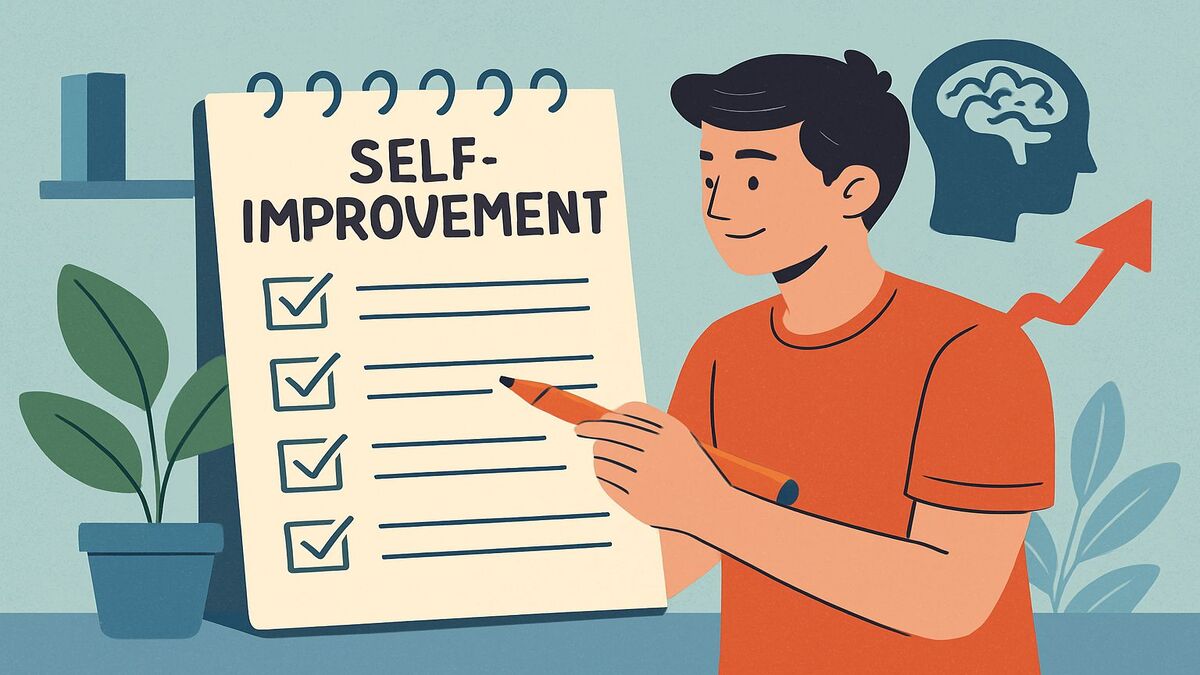
Article at a Glance
- Focus, attention, and concentration are related cognitive abilities, but they are not exactly the same thing.
- Sleep, stress, physical activity, health conditions, medications, hearing, environment, and digital interruptions can all influence concentration.
- Reducing unnecessary interruptions and working on one demanding task at a time can make focused work easier.
- Mindfulness, structured work periods, regular physical activity, adequate sleep, and cognitively engaging activities may support attention and everyday performance.
- Persistent or worsening concentration problems can sometimes reflect an underlying medical, hearing, sleep, mental-health, or medication-related issue and deserve appropriate evaluation.
Concentration can feel increasingly difficult in a world filled with notifications, competing demands, background noise, and constant opportunities to switch tasks.
That does not necessarily mean your attention span is permanently damaged.
Attention is influenced by your brain, body, environment, habits, health, and the demands of the task in front of you.
Understanding those influences can help you create better conditions for focused work without relying on questionable “brain hacks” or expecting perfect concentration all day.
What Are Focus, Attention, and Concentration?
These terms are often used interchangeably, but they can describe somewhat different aspects of cognition.
Attention broadly refers to the processes that allow the brain to select and respond to relevant information.
Focus is an everyday term commonly used to describe directing attention toward a particular task, thought, or stimulus.
Concentration generally describes maintaining that attention over time, particularly when competing thoughts or distractions are present.
Scientists study several forms of attention, including selective attention, sustained attention, divided attention, and attentional control.
These abilities depend on networks distributed across multiple brain regions rather than one single “focus center.”
How the Brain Supports Attention
Attention depends on coordinated activity across several brain networks.
The prefrontal cortex plays an important role in executive control, planning, working memory, inhibition, and goal-directed behavior, but it does not operate alone.
Parietal regions, sensory systems, subcortical structures, and other networks also contribute to selecting information and maintaining attention.
Neurotransmitters and Attention
Dopamine and norepinephrine are among the neurotransmitters involved in attention, motivation, working memory, and executive function.
Their effects are complex and cannot accurately be reduced to the idea that every phone notification creates a damaging “dopamine hit.”
Frequent checking behaviors can become habitual and can interrupt sustained work, but there is no established clinical condition in which ordinary technology use permanently “recalibrates dopamine thresholds” and makes the brain incapable of deep work.
Similarly, popular concepts such as “dopamine fasting” should not be presented as neurological treatments for poor concentration.
Mind-Wandering Is Normal
Attention naturally fluctuates.
The brain’s default mode network is active during internally focused thought, including autobiographical thinking, planning, imagination, and some forms of mind-wandering.
This network is not an enemy of concentration or evidence that something is wrong with the brain.
The practical goal is not to eliminate mind-wandering. It is to become better at recognizing when attention has shifted and redirecting it when necessary.
Why Concentration Can Become Difficult
Difficulty concentrating can have many causes.
Some are environmental and behavioral, while others involve physical or mental health.
Digital Interruptions
Notifications, messages, email, social media, and frequent switching among applications can interrupt ongoing cognitive work.
Research on task switching suggests that returning to a demanding task after an interruption can require additional time and mental effort.
The amount of disruption varies considerably depending on the person, task, interruption, and environment.
Instead of relying on a universal claim that every interruption costs exactly 23 minutes, the more useful lesson is straightforward: repeated interruptions can make sustained work more difficult.
Multitasking and Task Switching
People can perform some activities simultaneously, particularly when one is highly automatic.
However, when two tasks both require substantial cognitive control, the brain often has to alternate attention between them.
That switching can reduce efficiency and increase errors.
For cognitively demanding work, limiting unnecessary task switching can therefore be helpful.
Sleep
Sleep supports attention, memory, learning, emotional regulation, and many other aspects of cognitive function.
Insufficient or poor-quality sleep can impair vigilance, reaction time, working memory, decision-making, and sustained attention.
Persistent sleep difficulty, excessive daytime sleepiness, loud snoring, or witnessed breathing pauses may warrant professional evaluation.
Learn more in Sleep and Brain Health: The Complete Guide.
Stress and Anxiety
Stress and anxiety can make concentration difficult because attention may repeatedly shift toward worries, perceived threats, or unresolved concerns.
Stress hormones such as cortisol participate in normal physiological responses and should not simply be described as “toxic” to concentration.
Persistent or severe stress can nevertheless affect sleep, mood, memory, attention, cardiovascular health, and everyday functioning.
Learn more in Stress and Brain Health: The Complete Guide.
Nutrition and Hydration
The brain requires a continuous supply of energy and adequate nutrients, but everyday concentration should not be reduced to simplistic ideas about “blood sugar crashes” or specific “focus foods.”
A nutritionally balanced dietary pattern supports overall physical and brain health.
Iron, vitamin B12, folate, and other nutrient deficiencies can affect cognitive function in some people, but supplements are not established concentration enhancers for people without a deficiency or other clinical indication.
Hydration also matters for normal physical function. Severe dehydration can impair cognition, while the effects of mild dehydration vary among individuals and circumstances.
Learn more in Nutrition and Brain Health: The Complete Guide.
Hearing and Listening Effort
Hearing difficulty can sometimes contribute to problems that feel like poor concentration.
When speech is difficult to hear, especially in background noise, understanding conversation may require greater listening effort.
A person may therefore feel mentally fatigued or have difficulty following complex discussions even when their fundamental ability to pay attention is intact.
Persistent hearing difficulty deserves appropriate hearing evaluation.
Learn more in Brain and Hearing Health: The Complete Guide.
Health Conditions and Medications
Many health conditions can affect attention or mental clarity.
Examples can include:
- Sleep disorders
- Depression and anxiety
- Attention-deficit/hyperactivity disorder
- Thyroid disorders
- Anemia
- Nutritional deficiencies
- Neurological conditions
- Medication side effects
- Substance use
- Acute illness
New, severe, or persistent concentration problems should not automatically be treated as a productivity problem.
Practical Strategies for Better Concentration
There is no single scientifically proven routine that produces perfect focus.
Different people work well under different conditions.
Several practical approaches can nevertheless reduce avoidable distractions and make sustained attention easier.
Reduce Unnecessary Notifications
One of the simplest strategies is to reduce interruptions before focused work begins.
Depending on your responsibilities, that might mean:
- Turning off nonessential notifications
- Using Do Not Disturb during focused work
- Closing unrelated browser tabs
- Keeping the phone outside immediate reach
- Checking email and messages at planned intervals rather than continuously
The goal is not to eliminate technology. It is to make interruptions intentional rather than automatic.
Work on One Demanding Task at a Time
Single-tasking can be particularly useful for writing, analysis, studying, planning, and other work requiring substantial cognitive effort.
Before beginning, define the task clearly.
For example, “work on the report” is vague. “Draft the introduction and first section of the report” gives attention a more specific target.
Use Structured Work Periods
The Pomodoro Technique is one popular method for organizing work into timed intervals.
The traditional version uses approximately 25 minutes of work followed by a short break, with a longer break after several cycles.
There is nothing neurologically special about exactly 25 minutes.
Some people work better with 20-minute intervals, while others prefer 45, 60, or 90 minutes.
The useful principle is to create a defined period for focused work followed by an intentional opportunity to pause and recover.
Use Breaks Intentionally
Attention can decline during prolonged demanding tasks.
Short breaks may help restore alertness, particularly when they involve movement, a change of environment, or genuine mental rest.
A break spent rapidly switching among social media feeds may not feel as restorative as stepping away from the task.
Mindfulness and Attention
Mindfulness practices have been studied for their potential effects on attention, stress, emotional regulation, and well-being.
Common approaches include:
- Focused-attention meditation: directing attention toward an object such as breathing and returning attention when it wanders.
- Open-monitoring practice: noticing thoughts, sensations, and experiences without continually reacting to them.
- Body scanning: intentionally directing attention through different areas of the body.
Research suggests mindfulness training can produce modest improvements in some aspects of attention and cognitive performance in certain populations.
The size and consistency of these effects vary among studies.
It is therefore too strong to promise that ten minutes of meditation each morning will produce measurable concentration improvements within a specific number of weeks.
Mindfulness can instead be viewed as one possible method of practicing deliberate attentional redirection.
Reading and Other Sustained Cognitive Activities
Reading long-form material requires sustained attention, working memory, language processing, and comprehension.
It can therefore be a useful way to practice remaining engaged with one activity.
There is no established scientific threshold at which exactly 30 minutes of reading begins to “train” concentration.
If sustained reading has become difficult, a practical approach is to begin with a manageable period and gradually increase it.
The same principle can apply to other cognitively demanding activities, including writing, learning music, studying a language, solving problems, or working on a complex hobby.
Physical Activity and Mental Performance
Physical activity supports cardiovascular, metabolic, psychological, and brain health.
Research has also examined the effects of individual exercise sessions and regular exercise on executive function, attention, memory, and other cognitive abilities.
Some studies report short-term cognitive benefits following aerobic exercise, although results depend on exercise intensity, timing, fitness, age, and the cognitive task being measured.
BDNF and Exercise
Exercise can influence brain-derived neurotrophic factor, or BDNF, which participates in neuronal function and plasticity.
This is an important area of neuroscience research.
It does not mean that every 20-minute walk produces a predictable BDNF surge that improves concentration for exactly two hours.
The strongest reason to remain physically active is the broad range of established health benefits rather than a promise of immediate cognitive enhancement.
Learn more in Exercise and Brain Health: The Complete Guide.
Sleep and Concentration
Sleep is one of the most important biological influences on attention and alertness.
Adults who consistently obtain insufficient sleep may experience:
- Reduced vigilance
- Slower reaction time
- Difficulty maintaining attention
- Impaired working memory
- More errors
- Mood changes
- Greater subjective mental fatigue
Individual sleep needs vary.
General public-health guidance commonly recommends that most adults obtain at least seven hours of sleep per night, while some people require more.
Rather than treating an exact number as a guarantee of “full cognitive restoration,” pay attention to sleep duration, regularity, quality, and daytime functioning.
Persistent sleep problems deserve appropriate evaluation.
Creating a Focus-Friendly Environment
Environmental conditions can influence comfort, alertness, and distraction.
The best environment varies by person and task.
Visual Distractions
Reducing unnecessary visual clutter may make it easier for some people to keep attention on the task in front of them.
A simple approach is to keep materials needed for the current task readily available while moving unrelated items out of the immediate workspace.
Noise
Noise affects people differently.
Speech, unpredictable sounds, and intermittent interruptions can be particularly distracting during language-heavy tasks.
Some people work best in quiet environments, while others prefer steady background sound.
There is no universal sound level that optimizes concentration.
Hearing protection should also be considered when environmental noise is loud enough to create a hearing hazard.
Lighting
Appropriate lighting can improve visual comfort, and daytime light exposure contributes to circadian regulation and alertness.
Whenever practical, use enough light to perform the task comfortably without excessive glare.
Temperature
Extreme heat or cold can impair comfort and performance.
Research has examined relationships between indoor temperature and cognitive performance, but there is no single temperature range that guarantees optimal concentration for everyone.
Adjust the environment so that temperature is comfortable enough that it does not become a persistent distraction.
Do You Need Special Products to Improve Focus?
No.
Expensive headphones, special lamps, apps, supplements, timers, or productivity systems are not required for effective concentration.
Some tools may be useful in particular environments—for example, noise-reducing headphones in a distracting office—but they should solve a genuine problem rather than be treated as cognitive-performance devices.
A quiet space, reasonable lighting, reduced notifications, a clearly defined task, and an ordinary timer may be all that is needed.
Building a Daily Focus Routine
A useful focus routine should fit your responsibilities, sleep schedule, health, and natural periods of alertness.
There is no evidence-based requirement to drink a particular amount of water immediately after waking, exercise at a precise time, meditate for exactly ten minutes, or begin deep work at 7:30 a.m.
Instead, consider a flexible framework.
Before Focused Work
- Identify the most important task.
- Define what completing the work period would accomplish.
- Reduce avoidable interruptions.
- Gather needed materials before beginning.
- Choose a realistic work interval.
During Focused Work
- Keep attention on one primary task.
- Write down unrelated thoughts or tasks instead of immediately switching to them.
- Notice when attention wanders and redirect it without treating normal distraction as failure.
- Take an intentional break when concentration meaningfully declines.
After Focused Work
- Record where you stopped.
- Identify the next action.
- Take a genuine break before beginning another demanding block when possible.
This makes it easier to resume work later without depending entirely on memory.
Improving Focus at Work
Many workplaces make uninterrupted concentration difficult.
Email, meetings, messaging platforms, phone calls, coworkers, and changing priorities may all compete for attention.
Protect Focused Time When Possible
If your role allows it, schedule blocks for demanding work and communicate when you are unavailable for nonurgent interruptions.
That could mean using a calendar block, closing messaging applications temporarily, or working in a quieter location.
Batch Similar Tasks
Grouping similar tasks can reduce unnecessary switching.
For example, instead of alternating continuously among writing, email, administrative work, and phone calls, it may be more efficient to complete similar activities together.
Make Interruptions Easier to Recover From
Before leaving a task, write a short note describing where you stopped and what you intended to do next.
This simple practice can reduce the effort required to reconstruct your train of thought when you return.
When Concentration Problems May Need Professional Evaluation
Productivity strategies are not appropriate substitutes for healthcare when concentration changes are significant or persistent.
Consider discussing concentration problems with an appropriate healthcare professional when they:
- Begin suddenly without an obvious explanation
- Become progressively worse
- Interfere substantially with work, school, relationships, or daily activities
- Occur with significant memory problems
- Occur with depression, severe anxiety, or major changes in mood
- Occur after a head injury
- Appear after beginning or changing a medication
- Occur with severe daytime sleepiness or symptoms of a possible sleep disorder
- Occur with neurological symptoms
Hearing difficulty can also sometimes resemble an attention problem because information that was not heard clearly cannot be processed or remembered accurately.
Focus Is a Dynamic Ability
Your ability to concentrate is not identical every day.
It changes with sleep, stress, health, motivation, environment, task difficulty, interruptions, and many other factors.
Practice can help people develop better strategies for directing and maintaining attention, but neuroplasticity should not be interpreted as a promise that anyone can continually expand their attention span simply by “training harder.”
A more realistic goal is to understand the conditions under which you work well and deliberately create more of those conditions.
Frequently Asked Questions
Can Concentration Be Improved?
Often, yes.
People can improve how they manage distractions, structure work, practice attentional control, and support sleep and overall health.
How much improvement occurs and how quickly it happens varies considerably.
How Long Does It Take to Improve Focus?
There is no scientifically established two-week, four-week, six-week, or eight-week timetable for improving concentration.
Some strategies—such as turning off unnecessary notifications—can help immediately.
Developing lasting habits or skills generally requires continued practice.
Can You Train Attention Like a Muscle?
The muscle analogy can be useful, but it should not be taken literally.
The brain is capable of neuroplastic change, and repeated practice can improve performance on many cognitive tasks.
Attention does not, however, strengthen according to the same biological process as skeletal muscle.
Does Screen Time Damage Attention Span?
The relationship between digital-media use and attention is complex.
Frequent interruptions, rapid task switching, and habitual device checking can interfere with sustained work.
However, claims that ordinary screen use permanently rewires the brain for short attention spans or damages dopamine systems go beyond current evidence.
What Is the Average Human Attention Span?
There is no scientifically meaningful single number representing the average human attention span.
The widely repeated claim that humans now have an eight-second attention span is not a reliable measure of human cognition.
Attention varies dramatically depending on the task, motivation, fatigue, environment, health, and individual differences.
Does Caffeine Improve Focus?
Caffeine can temporarily improve alertness and some aspects of attention, particularly when someone is fatigued.
Effects depend on dose, habitual caffeine use, genetics, medications, health conditions, and timing.
Too much caffeine can contribute to anxiety, tremor, rapid heartbeat, or sleep disruption in some people.
There is no universal requirement to delay caffeine for 90 to 120 minutes after waking, and a particular dose should not be prescribed to every reader for cognitive performance.
What Is the Best Time for Focused Work?
There is no single best time for everyone.
Alertness varies with sleep schedules, circadian rhythms, work demands, age, and individual differences.
Pay attention to when you typically feel mentally sharp and, when possible, reserve part of that period for demanding work.
Does Exercise Improve Mental Focus?
Physical activity supports overall and brain health, and research has found benefits for some aspects of cognitive performance.
Both individual exercise sessions and regular activity have been studied in relation to attention and executive function.
The magnitude and timing of benefits vary, so exercise should not be advertised as producing a guaranteed cognitive boost for a specific number of hours.
Is the Pomodoro Technique Scientifically Proven?
The Pomodoro Technique is a useful time-management framework, but there is not strong evidence establishing the traditional 25-minute interval as the neurologically optimal way to work.
Its practical value comes from setting boundaries around work and breaks.
Can Mindfulness Improve Attention?
Research suggests mindfulness training may improve certain aspects of attention and cognitive control in some people.
Results vary among studies and individuals.
It is reasonable to try mindfulness as an attention practice without expecting a guaranteed neurological transformation.
Reliable Sources and Further Reading
- National Institute on Aging — Cognitive Health and Older Adults
- Centers for Disease Control and Prevention — About Sleep
- National Institute of Mental Health — Attention-Deficit/Hyperactivity Disorder
- National Institute on Deafness and Other Communication Disorders — Age-Related Hearing Loss
Apex Provides Education, Not Individual Medical Care
Apex Brain & Hearing Health provides general educational information about attention, concentration, cognition, hearing, brain health, and related topics.
Persistent, severe, sudden, or worsening changes in concentration or cognitive function deserve appropriate professional evaluation, particularly when they interfere with everyday activities or occur with other neurological, medical, hearing, sleep, or mental-health symptoms.