Skip to content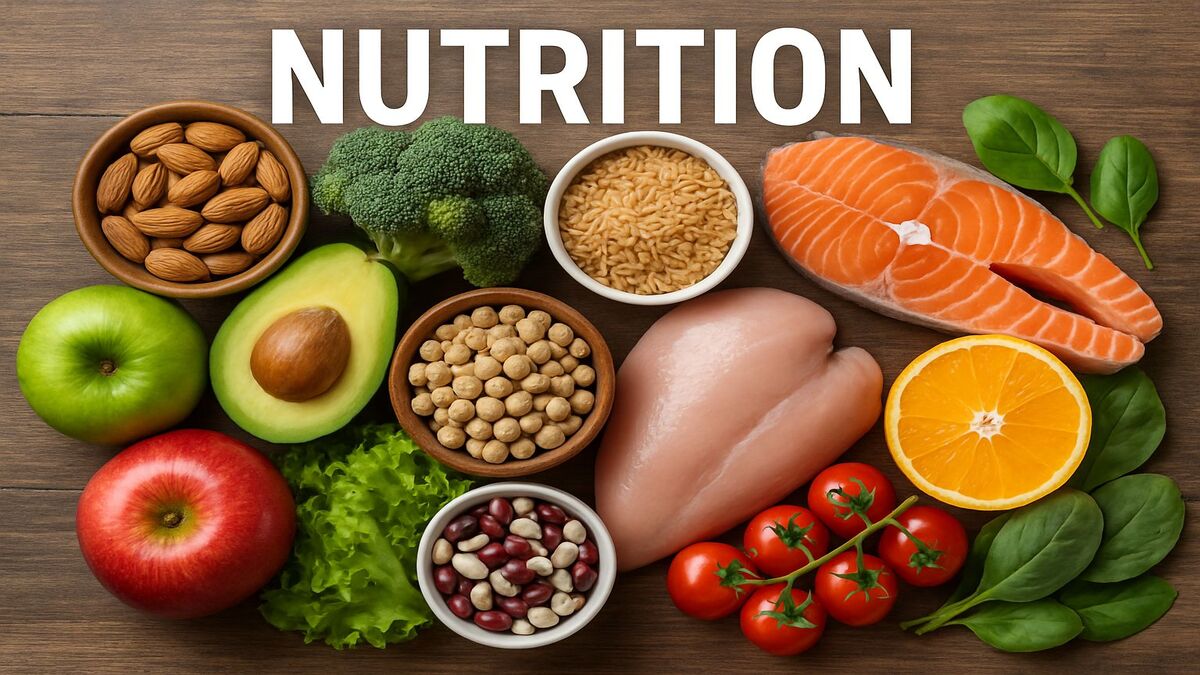
Article-At-A-Glance: What Food Actually Does to Your Brain
- Your diet directly shapes brain structure, function, and long-term cognitive health — not just your waistline.
- The MIND diet, a hybrid of Mediterranean and DASH eating patterns, has been shown in studies to significantly slow the rate of cognitive decline.
- Certain nutrients — particularly omega-3 fatty acids, B vitamins, and antioxidants — are non-negotiable for maintaining a sharp, healthy brain at any age.
- Ultra-processed foods and excess sugar don’t just affect your body; research links them directly to accelerated brain aging and impaired memory.
- Keep reading to find out which specific foods neuroscientists consistently recommend — and the ones quietly working against your brain every day.
What you eat today is literally building your brain for tomorrow.
Most people think about nutrition in terms of weight, energy, or heart health. But the brain — which makes up only about 2% of your body weight yet consumes roughly 20% of your daily energy intake — has its own very specific nutritional demands. Getting those wrong doesn’t just leave you feeling foggy. Over time, a poor diet can structurally alter brain tissue, accelerate cognitive aging, and significantly raise your risk of neurodegenerative diseases like Alzheimer’s.
The good news? The science on what to eat for a healthier brain is clearer than ever. Resources like those compiled by the Rush Institute for Healthy Aging highlight that participants following brain-targeted dietary patterns showed measurably slower cognitive decline. This guide pulls together everything research currently knows about nutrition and brain health — practical, specific, and worth paying attention to.
How Food Directly Affects Brain Structure and Function
The brain isn’t passive when it comes to nutrition. Every meal you eat sends a cascade of nutrients — or lack thereof — directly into the bloodstream that feeds your neural tissue.
The Brain’s Unique Fuel Requirements
Unlike muscle tissue, the brain cannot store energy. It runs almost exclusively on glucose and demands a continuous, stable supply. But beyond glucose, the brain requires a very specific blend of fatty acids, amino acids, micronutrients, and antioxidants to build and maintain its cells, produce neurotransmitters, and protect itself from oxidative damage. The dietary needs of the brain are substantially different from those of other organs — and most people have no idea what those needs actually are.
About 60% of the brain’s dry weight is fat, and much of that fat comes from dietary sources — particularly omega-3 fatty acids like DHA (docosahexaenoic acid). These fats aren’t just structural; they’re deeply involved in how efficiently neurons communicate with each other. When your diet is consistently low in these nutrients, brain cell membranes become less flexible, and communication between neurons slows down.
How Poor Diet Damages Brain Cells Over Time
Chronic exposure to a poor diet triggers two main processes that damage the brain: oxidative stress and neuroinflammation. Oxidative stress occurs when free radicals — unstable molecules produced during normal metabolism and amplified by poor diet choices — outnumber the brain’s antioxidant defenses. This damages neurons at the cellular level.
Neuroinflammation is the brain’s immune response to that damage. Short-term inflammation is protective. But when poor dietary habits keep triggering it day after day, it becomes chronic — and chronic neuroinflammation is now strongly associated with depression, cognitive decline, and Alzheimer’s disease. As Harvard Health has described it, the brain on a poor diet is like a high-performance car running on dirty fuel.
“Our brain requires a constant supply of fuel. That ‘fuel’ comes from the foods we eat — and what’s in that fuel makes all the difference. What we eat directly affects the structure and function of our brain.”
— Harvard Health / Dr. Eva Selhub, MD, Harvard Health Blog
The Gut-Brain Connection and Why It Matters
Your gut and brain are in constant two-way communication through what scientists call the gut-brain axis — a network involving the vagus nerve, immune signals, and gut-produced neurotransmitters. Around 90% of serotonin, a key mood-regulating neurotransmitter, is produced in the gut, not the brain. This means that the health of your digestive microbiome has a direct impact on your mental and cognitive health. A diet high in fiber, fermented foods, and diverse plant matter feeds beneficial gut bacteria that, in turn, support brain function. A diet loaded with ultra-processed foods does the opposite.
The Most Important Nutrients for Brain Health
No single nutrient does the job alone. Brain health is the result of a coordinated nutritional environment. That said, some nutrients carry significantly more weight than others when it comes to cognitive function and neuroprotection.
Here are the key players research consistently identifies:
- Omega-3 Fatty Acids (DHA & EPA): Essential for neuron membrane integrity and anti-inflammatory signaling.
- B Vitamins (B6, B12, Folate): Critical for neurotransmitter production and homocysteine regulation — elevated homocysteine is linked to brain atrophy.
- Vitamin E: A powerful fat-soluble antioxidant that protects brain cell membranes from oxidative damage.
- Flavonoids and Carotenoids: Plant compounds found in berries, leafy greens, and colorful vegetables that reduce inflammation and improve neural signaling.
- Choline: A precursor to acetylcholine, a neurotransmitter central to memory and muscle control.
- Magnesium: Supports synaptic plasticity — the brain’s ability to form and strengthen new connections.
- Zinc and Iron: Both involved in neurotransmitter synthesis; deficiencies in either impair focus, memory, and mood.
Omega-3 Fatty Acids: The Brain’s Building Blocks
DHA alone accounts for roughly 97% of the omega-3 fatty acids found in the brain, concentrated primarily in the cerebral cortex — the region responsible for memory, language, creativity, and attention. The human body cannot efficiently produce DHA on its own, which makes dietary intake non-negotiable. Fatty fish like salmon, sardines, and mackerel are the most concentrated natural sources. For those who don’t eat fish, algae-based DHA supplements offer a direct, bioavailable alternative.
Antioxidants and Their Role in Protecting Brain Cells
The brain is one of the most metabolically active organs in the body, which makes it especially vulnerable to oxidative damage. Antioxidants neutralize free radicals before they can damage neurons. Flavonoids — found in high concentrations in blueberries, dark chocolate, green tea, and citrus — have been shown to improve blood flow to the brain and enhance memory-related signaling. The MIND diet specifically incorporates foods rich in flavonoids and carotenoids because research shows these compounds help protect the brain against the oxidative load that accumulates with age.
Vitamin E, found in nuts, seeds, and olive oil, is particularly important because the brain’s high fat content makes it a prime target for lipid peroxidation — a type of oxidative damage that specifically attacks fatty cell membranes. Consistent dietary intake of vitamin E has been associated with a reduced risk of cognitive decline in multiple studies.
B Vitamins and Cognitive Function
B vitamins — particularly B6, B12, and folate — play a foundational role in brain health that often gets overlooked. These vitamins are essential for producing neurotransmitters like serotonin, dopamine, and norepinephrine, all of which regulate mood, focus, and memory. They’re also directly involved in controlling homocysteine levels in the blood. High homocysteine is an independent risk factor for brain atrophy and dementia, and adequate B vitamin intake is one of the most effective dietary strategies for keeping it in check.
B12 deficiency is particularly common in older adults and those following plant-based diets, and its effects on the brain can be significant — ranging from memory problems and fatigue to more serious neurological symptoms. This is one case where supplementation may be warranted if dietary intake is insufficient.
Glucose: The Brain’s Primary Energy Source
The brain runs on glucose — but the quality of that glucose source matters enormously. Simple sugars from ultra-processed foods spike blood glucose rapidly and crash just as fast, leaving the brain in a state of energy instability that impairs concentration and increases cortisol. Complex carbohydrates from whole grains, legumes, and vegetables provide a slower, steadier release of glucose that supports consistent cognitive performance throughout the day.
Insulin resistance — increasingly common with high-sugar diets — is now a subject of serious research in Alzheimer’s prevention. Some researchers have begun referring to Alzheimer’s as “Type 3 Diabetes” due to the brain’s impaired ability to use glucose in the disease’s later stages. Keeping blood sugar stable through diet isn’t just about energy. It may be one of the most powerful long-term strategies for protecting the aging brain.
The Best Foods to Eat for a Healthier Brain
Understanding which nutrients matter is one thing — knowing exactly what to put on your plate is where it becomes actionable. Research consistently points to the same short list of whole foods as the most protective for the brain.
Fatty Fish and Why Neuroscientists Recommend It
Fatty fish sits at the top of virtually every brain-health food list — and for good reason. Salmon, sardines, mackerel, trout, and herring are among the richest dietary sources of DHA and EPA omega-3 fatty acids. The MIND diet specifically recommends eating fish at least once per week, citing its association with slower cognitive decline. Studies referenced by Harvard Medical School and the Mayo Clinic both highlight fish consumption as one of the strongest dietary predictors of better brain outcomes with age. Two to three servings per week of fatty fish provides a meaningful, measurable impact on brain DHA levels within weeks.
Leafy Greens and Cognitive Decline Prevention
Dark leafy greens — spinach, kale, collard greens, and Swiss chard — are among the most nutrient-dense foods you can eat for your brain. They deliver a concentrated hit of folate, vitamin K, lutein, and beta-carotene, all of which are directly associated with slower rates of cognitive aging. A study tracking dietary patterns in older adults found that those who ate just one serving of leafy greens per day had the cognitive ability of someone roughly 11 years younger than those who rarely ate them.
Vitamin K, often overlooked in brain health conversations, plays a specific role in synthesizing sphingolipids — fats that are densely packed into brain cell membranes and critical for maintaining neural integrity. Lutein, a carotenoid absorbed directly into brain tissue, functions as an antioxidant that reduces neuroinflammation and has been linked to better memory performance in both younger and older adults. The MIND diet recommends at least six servings of leafy greens per week — a target that’s easier to hit than it sounds when you’re adding a handful to smoothies, eggs, or soups.
Berries and Their Impact on Memory
Berries are arguably the most research-supported fruit category for brain health. Blueberries in particular have been studied extensively for their impact on memory and learning, with findings that are difficult to ignore. Their high concentration of anthocyanins — a type of flavonoid responsible for their deep blue-purple pigment — has been shown to cross the blood-brain barrier and directly influence the brain regions involved in memory formation.
Research highlighted by Harvard Medical School found that regular berry consumption was associated with slower cognitive aging by up to two and a half years. What makes berries particularly effective is that anthocyanins don’t just neutralize oxidative stress — they actively improve communication between neurons by enhancing signaling pathways involved in learning and memory consolidation.
Strawberries are another standout. They’re rich in fisetin, a flavonoid with emerging research supporting its role in maintaining long-term memory and potentially reducing the accumulation of amyloid plaques associated with Alzheimer’s disease. Raspberries and blackberries add ellagic acid and vitamin C to the mix, contributing additional antioxidant and anti-inflammatory protection.
The MIND diet specifically calls out berries as one of its core food groups, recommending at least two servings per week. Fresh or frozen — the nutritional profile is comparable — both work effectively as part of a brain-healthy eating pattern.
- Blueberries: Highest in anthocyanins; directly linked to improved memory and learning speed.
- Strawberries: Rich in fisetin, associated with long-term memory maintenance.
- Raspberries: High in ellagic acid and vitamin C for antioxidant protection.
- Blackberries: Strong anti-inflammatory profile and high fiber content supporting the gut-brain axis.
- Cherries: Contain melatonin and anthocyanins — particularly useful for sleep quality, which is directly tied to brain detoxification during rest.
Nuts, Seeds, and Brain-Protective Vitamin E
Walnuts are the headline act here — their shape resembling a brain is more than coincidental symbolism. They’re one of the only plant-based sources of ALA omega-3 fatty acids and contain high levels of polyphenols that reduce oxidative stress in brain tissue. But the broader nut and seed category earns its place on this list through vitamin E. Almonds, sunflower seeds, and hazelnuts deliver significant amounts of alpha-tocopherol — the form of vitamin E most readily used by the brain — which has been consistently associated in research with reduced risk of cognitive decline. Just a small handful of mixed nuts daily puts you in a meaningful range for brain-protective vitamin E intake.
Foods That Harm Your Brain
The conversation about brain nutrition isn’t complete without addressing what actively works against cognitive health. While adding brain-healthy foods matters, removing — or significantly reducing — the foods that drive neuroinflammation and oxidative stress is equally important.
The modern Western diet is, in many respects, poorly matched to brain health. It’s high in refined carbohydrates, industrial seed oils, added sugars, and ultra-processed convenience foods — all of which have been linked in research to accelerated cognitive aging, increased inflammation, and impaired memory and executive function. Studies cited by Ohio State University’s Wexner Medical Center have specifically linked ultra-processed food consumption to measurable cognitive decline.
What’s particularly concerning is that the damage from a poor diet is cumulative and often silent for years. By the time cognitive symptoms appear, years of neuroinflammation and oxidative stress have already taken their toll on brain tissue. This is why what you eat in your 30s, 40s, and 50s matters just as much — arguably more — than what you eat after a diagnosis.
- Ultra-processed foods: Drive systemic and neuroinflammation, disrupt the gut microbiome, and are directly linked to faster cognitive decline.
- Refined sugars and high-fructose corn syrup: Spike blood glucose, impair insulin signaling in the brain, and accelerate neurological aging.
- Trans fats (partially hydrogenated oils): Disrupt cell membrane integrity in neurons and increase cardiovascular risk, which is inseparable from brain health.
- Excessive alcohol: Toxic to neurons at high intake levels; chronic heavy use causes measurable brain volume loss over time.
- High-sodium processed foods: Associated with vascular damage that restricts blood flow to the brain.
How Ultra-Processed Foods Impair Cognitive Function
Ultra-processed foods — think packaged snacks, fast food, sugary cereals, processed meats, and soft drinks — are engineered for palatability, not nutrition. They’re typically stripped of fiber, vitamins, and beneficial fats while being loaded with additives, emulsifiers, and refined ingredients that disrupt the gut microbiome.
Since gut health and brain health are directly linked through the gut-brain axis, a diet dominated by ultra-processed foods creates a downstream effect that impairs neurotransmitter production, increases systemic inflammation, and ultimately degrades cognitive function. Research referenced by Ohio State’s Wexner Medical Center has drawn a direct line between high ultra-processed food intake and accelerated cognitive decline — not just in older populations, but in middle-aged adults too.
Sugar and Its Effect on Brain Aging
Excess sugar is one of the most underappreciated threats to long-term brain health. High sugar intake drives insulin resistance — and when the brain becomes insulin resistant, it loses the ability to efficiently convert glucose into energy. This metabolic dysfunction is so central to Alzheimer’s disease pathology that some researchers have proposed calling it “Type 3 Diabetes.” Beyond the insulin connection, high blood sugar promotes glycation — a process where sugar molecules bind to and damage proteins and lipids in brain tissue, accelerating cellular aging. Reducing added sugar isn’t just a weight-loss strategy. It’s one of the most direct interventions available for protecting the aging brain.
Brain-Healthy Dietary Patterns Backed by Research
Individual foods matter, but the overall pattern of what you eat consistently is what drives long-term brain outcomes. No single superfood compensates for a poor overall diet — and this is one of the most important points nutritionists and neuroscientists agree on. For those interested in how dietary patterns can affect other health aspects, understanding in-ear tinnitus might offer additional insights.
Two dietary patterns in particular have accumulated the strongest evidence base for brain health: the MIND diet and the Mediterranean diet. Both emphasize whole, minimally processed foods, healthy fats, and abundant plant matter. Both have been studied in large populations with meaningful results. And both are flexible enough to be genuinely sustainable as long-term eating patterns rather than short-term interventions.
The key insight from research is that you don’t need to follow these diets perfectly to benefit. Studies on the MIND diet specifically found that even moderate adherence — not just strict compliance — was associated with significantly reduced risk of Alzheimer’s disease. Consistency over time matters more than perfection on any given day.
The MIND Diet: Specifically Designed for Brain Health
The MIND diet — which stands for Mediterranean-DASH Intervention for Neurodegenerative Delay — was developed by nutritional epidemiologist Dr. Martha Clare Morris at Rush University Medical Center specifically to target brain health and reduce dementia risk. Unlike general healthy eating guidelines, the MIND diet was designed using data on which specific foods and nutrients most consistently appeared in the research as protective against cognitive decline.
The diet identified 15 dietary components — 10 “brain-healthy” food groups and 5 to limit — and scoring participants on adherence to these components showed a clear dose-response relationship: the higher the MIND diet score, the slower the rate of cognitive decline. Participants with the highest scores showed a cognitive aging rate significantly slower than those with the lowest scores.
How the Mediterranean Diet Supports Cognitive Health
The Mediterranean diet — rich in olive oil, fish, vegetables, legumes, whole grains, nuts, and moderate red wine — has decades of research behind it across multiple health outcomes, including brain health. Its emphasis on olive oil as the primary fat source is particularly relevant for the brain. Extra-virgin olive oil contains oleocanthal, a polyphenol with demonstrated anti-inflammatory properties and emerging research suggesting it may help clear amyloid plaques from the brain — the same plaques central to Alzheimer’s disease pathology. The Mediterranean diet also naturally limits red meat and processed foods, two dietary factors consistently associated with accelerated cognitive aging.
What Both Diets Have in Common
Strip both dietary patterns down to their shared principles and a clear picture emerges. Both prioritize whole, minimally processed foods. Both are built around abundant vegetables — especially leafy greens — healthy fats from fish, nuts, and olive oil, and complex carbohydrates from whole grains and legumes. Both limit saturated fat from red meat, avoid trans fats entirely, and minimize added sugars and ultra-processed foods. This convergence isn’t coincidental — it reflects what the research consistently supports as the nutritional foundation of a healthy brain.
Here’s a practical side-by-side comparison of the two dietary patterns and how they align on key brain-health food categories:
| Food Category | MIND Diet Recommendation | Mediterranean Diet Recommendation |
|---|---|---|
| Leafy Greens | 6+ servings per week | Daily consumption encouraged |
| Other Vegetables | 1+ serving per day | 2–3+ servings per day |
| Berries | 2+ servings per week | Fresh fruit daily (berries included) |
| Nuts | 5+ servings per week | Daily in moderate amounts |
| Olive Oil | Primary cooking fat | Primary cooking fat |
| Fish | 1+ serving per week | 2–3 servings per week |
| Legumes | 4+ servings per week | Several times per week |
| Whole Grains | 3+ servings per day | Daily, whole grain preferred |
| Red Meat | Fewer than 4 servings per week | Rarely, occasionally |
| Sweets & Pastries | Fewer than 5 servings per week | Minimal, occasional |
The overlap between these two evidence-based dietary patterns is striking — and reassuring. You don’t need to choose one over the other. Many people adopt a hybrid approach, using the MIND diet’s specific brain-health targets as a framework and drawing on the Mediterranean diet’s broader culinary richness to keep meals varied and enjoyable.
What’s equally important is what these diets don’t include. There are no extreme restrictions, no elimination of entire macronutrient groups, and no reliance on expensive supplements. The foundation of both is whole food — affordable, accessible, and actionable for most people willing to make gradual, consistent changes.
Nutrition for Brain Health at Every Age
Brain nutritional needs aren’t static. They shift significantly across the lifespan — from the rapid neural development of early childhood, through the high-performance demands of adulthood, to the protective priorities of aging. Understanding what the brain needs at each stage allows for more targeted, effective dietary choices.
The encouraging reality is that it’s never too early — and never too late — to make dietary changes that benefit the brain. Research consistently shows measurable cognitive benefits from dietary improvements at every age studied, including in adults well into their 70s and 80s.
Nutrients Critical for Children’s Brain Development
The first 1,000 days of life — from conception through age two — represent the most intensive period of brain development in the entire human lifespan. During this window, the brain is forming billions of neural connections at a rate that will never again be replicated. DHA is arguably the most critical nutrient during this period, essential for the structural development of the cerebral cortex and retina.
Iron is equally non-negotiable — iron deficiency in early childhood is one of the leading nutritional causes of impaired cognitive development globally. Choline, found in eggs and liver, supports the formation of acetylcholine-based neural circuits central to memory. For school-age children, consistent intake of omega-3s, B vitamins, zinc, and iron supports attention, processing speed, and academic performance.
Protecting Cognitive Function in Middle Age
Middle age is when the dietary choices you make start determining your cognitive trajectory decades later. This is the window where insulin resistance, chronic inflammation, and cardiovascular risk factors — all heavily diet-influenced — begin silently affecting brain tissue. Prioritizing omega-3 fatty acids, reducing ultra-processed food intake, and building consistent vegetable and whole grain consumption during this period isn’t just about feeling sharp at 45. It’s about significantly lowering the risk of dementia at 75. Research increasingly supports the idea that Alzheimer’s disease has a dietary and lifestyle component that begins developing 20 to 30 years before symptoms appear — making midlife nutrition one of the highest-leverage intervention points available.
Diet Strategies to Slow Brain Aging in Seniors
The aging brain faces a specific set of challenges: reduced cerebral blood flow, increased oxidative stress, declining neurotransmitter production, and a greater vulnerability to neuroinflammation. Diet can meaningfully address all of these. For older adults, the priority shifts toward neuroprotection — eating in a way that slows the degeneration of existing neural tissue rather than building new capacity.
The MIND diet was specifically developed and tested in older populations, and its results are among the most compelling in nutritional neuroscience. Beyond the MIND diet framework, seniors benefit particularly from prioritizing vitamin B12 (absorption efficiency drops significantly with age), vitamin D (which supports neuroprotection and is commonly deficient in older adults), and consistent omega-3 intake from fatty fish or algae-based supplements.
Simple Daily Habits That Put Brain Nutrition Into Practice
Knowing what to eat and actually doing it consistently are two different things. The gap between nutritional knowledge and daily behavior is where most brain health strategies fall apart. The good news is that building a brain-healthy diet doesn’t require an overhaul — it requires a series of small, compounding habit shifts that add up significantly over months and years. For those experiencing auditory issues, understanding the first signs of hearing loss can be an important part of maintaining overall brain health.
How to Build a Brain-Healthy Plate Without Overthinking It
A simple framework works better than a complicated meal plan. At each main meal, aim to fill half your plate with vegetables — prioritizing dark leafy greens at least once daily. Add a quality protein source, ideally fatty fish two to three times per week, with legumes or poultry filling the remaining days. Use extra-virgin olive oil as your primary cooking fat. Include a small handful of mixed nuts as a daily snack, and add berries to breakfast at least four to five times per week.
Swap refined grains for whole grain alternatives — a straightforward change that stabilizes blood glucose and feeds the gut microbiome simultaneously. This approach doesn’t require calorie counting, expensive specialty products, or rigid meal timing. It just requires consistency with a handful of well-supported food choices.
- Start with greens: Add a handful of spinach or kale to one meal daily — smoothies, eggs, soups, or salads all work.
- Eat fatty fish twice a week: Salmon, sardines, or mackerel provide the DHA your brain needs most.
- Snack on walnuts or almonds: A small handful delivers omega-3s and vitamin E with zero preparation.
- Add berries to breakfast: Fresh or frozen blueberries, strawberries, or blackberries on oatmeal, yogurt, or in a smoothie.
- Switch to olive oil: Replace butter or seed oils with extra-virgin olive oil for cooking and dressings.
- Choose whole grains: Oats, quinoa, brown rice, and whole grain bread over refined alternatives.
- Cut ultra-processed snacks: Replace packaged snack foods with whole food alternatives — nuts, fruit, hummus and vegetables.
Hydration and Brain Performance
Water is arguably the most overlooked brain-health nutrient. The brain is approximately 75% water, and even mild dehydration — as little as 1 to 2% of body weight in fluid loss — has been shown to measurably impair attention, short-term memory, and psychomotor speed. Chronic low-level dehydration, which is extremely common, creates a persistent low-grade impairment in cognitive function that many people simply accept as their baseline. Aiming for consistent water intake throughout the day — not just when you feel thirsty, since thirst sensation declines with age — is one of the simplest, most immediately effective interventions for sharper daily cognitive performance.
The Science Is Clear: Your Diet Shapes Your Brain’s Future
The evidence linking nutrition to brain health is no longer emerging — it’s established. From the structural role of DHA in neuron membranes to the MIND diet’s demonstrated ability to slow cognitive aging, what you eat is one of the most powerful modifiable factors in determining how well your brain functions today and how resilient it remains as you age. The brain you have at 70 is being shaped, in meaningful part, by the food choices you make right now.
The path forward doesn’t require perfection. It requires a consistent shift toward the foods and dietary patterns that research has repeatedly identified as protective — whole vegetables, fatty fish, berries, nuts, olive oil, legumes, and whole grains — and away from the ultra-processed, high-sugar, high-inflammatory foods that accelerate neurological aging. Small changes made consistently over time compound into significant outcomes. Start with one or two swaps. Build from there. Your brain will respond.
Frequently Asked Questions
Here are answers to the most common questions people ask about nutrition and brain health, grounded in what the research actually supports.
What is the single best food for brain health?
No single food covers all of the brain’s nutritional needs — but if forced to name one, fatty fish like salmon comes closest. It delivers DHA omega-3 fatty acids directly to the brain, provides high-quality protein for neurotransmitter synthesis, and contributes vitamin D and B12, both of which are commonly deficient and critical for cognitive function. That said, the research is unambiguous that overall dietary pattern matters far more than any individual food. A diet built around a variety of brain-healthy whole foods consistently outperforms any single superfood strategy.
Can changing your diet improve memory and focus?
Yes — and in some cases, the improvements are measurable within weeks. Research shows that dietary changes influence brain function through several pathways: stabilizing blood glucose reduces cognitive fluctuation throughout the day, increased omega-3 intake improves neuronal membrane flexibility and signaling efficiency, and improved gut health through dietary fiber and fermented foods supports neurotransmitter production. The degree of improvement depends on how significant the dietary change is and how much room for improvement existed in the baseline diet.
Key foods shown to support memory and focus:
Food Primary Benefit Key Nutrient Blueberries Memory and learning speed Anthocyanins Fatty Fish (Salmon) Neural communication and focus DHA Omega-3 Leafy Greens Slows cognitive aging Folate, Lutein, Vitamin K Walnuts Reduces oxidative stress in brain tissue ALA Omega-3, Polyphenols Dark Chocolate (70%+) Improves cerebral blood flow Flavonoids Eggs Memory formation and neural circuit support Choline
The most noticeable short-term changes typically involve energy stability and mental clarity — particularly when refined sugars and ultra-processed foods are reduced simultaneously. People who make significant dietary shifts often report meaningful improvements in focus and sustained attention within two to four weeks, with more durable memory-related benefits accumulating over months of consistent eating.
It’s also worth noting that the relationship between diet and cognitive function works in both directions. Just as adding brain-healthy foods improves performance, removing dietary disruptors — especially high-sugar foods, refined carbohydrates, and ultra-processed snacks — often produces equally significant cognitive benefits by reducing neuroinflammation and stabilizing blood glucose.
How long does it take for diet changes to affect brain health?
Some effects are nearly immediate. Stabilizing blood glucose through better carbohydrate choices can improve focus and reduce mental fatigue within days. Gut microbiome composition begins shifting within two weeks of significant dietary change, which has downstream effects on neurotransmitter production and mood.
Structural changes — such as improved neuronal membrane composition from increased omega-3 intake — take longer, typically three to six months of consistent dietary change to become measurable. Long-term neuroprotective benefits, such as reduced risk of cognitive decline and dementia, are the result of years of sustained healthy eating. The key insight is that the brain responds to dietary changes at multiple timescales simultaneously — meaning you don’t have to wait years to notice improvement.
Is there a specific diet proven to prevent Alzheimer’s disease?
The MIND diet is the most specifically researched dietary pattern in relation to Alzheimer’s disease risk. Developed at Rush University Medical Center, it was designed expressly around the foods and nutrients most consistently associated with reduced dementia risk in the research literature. Studies on the MIND diet found that participants with the highest adherence scores showed a significantly slower rate of cognitive decline than those with the lowest scores — with even moderate adherence associated with meaningfully reduced Alzheimer’s risk. Importantly, no diet has been proven to prevent Alzheimer’s disease outright, but the MIND diet has the strongest evidence base for reducing risk and slowing cognitive aging of any dietary pattern currently studied.
Does sugar actually damage your brain?
Yes — chronically high sugar intake causes real, measurable harm to brain tissue over time. The mechanisms are well-documented: excess sugar drives insulin resistance, which impairs the brain’s ability to efficiently use glucose as fuel — a dysfunction now closely associated with Alzheimer’s disease pathology. High blood sugar also promotes glycation, where sugar molecules bind to and structurally damage proteins and lipids in brain tissue.
Additionally, sugar-driven systemic inflammation crosses into the central nervous system, promoting neuroinflammation that damages neurons over time. The concern isn’t an occasional dessert — it’s the chronic, daily intake of added sugars that characterizes the modern Western diet. Reducing added sugar is one of the most direct and evidence-supported dietary interventions for long-term brain health.
What vitamins and minerals are most important for brain function?
The nutrients with the strongest research support for brain function include omega-3 fatty acids (particularly DHA), B vitamins (B6, B12, and folate), vitamin E, vitamin D, magnesium, zinc, iron, and choline. B12 and folate are particularly critical because deficiencies in either raise homocysteine levels — a well-established risk factor for brain atrophy and cognitive decline.
Vitamin D deficiency is extremely common and has been independently associated with increased dementia risk. Magnesium supports synaptic plasticity — the brain’s ability to form new connections — and most people don’t get enough from diet alone. The best strategy is to obtain these nutrients from whole food sources first, using supplementation to address specific deficiencies confirmed through blood testing rather than guessing.
How does gut health affect brain health?
The gut-brain axis is a bidirectional communication system connecting the enteric nervous system of the gut with the central nervous system. This connection operates through the vagus nerve, immune signaling, and the neurotransmitters and metabolites produced by gut bacteria. Approximately 90% of the body’s serotonin is produced in the gut — meaning that gut microbiome health has a direct and substantial influence on mood, stress response, and cognitive function.
A diet rich in diverse plant foods, fiber, and fermented products like yogurt, kefir, kimchi, and sauerkraut feeds beneficial gut bacteria that produce short-chain fatty acids — compounds with demonstrated anti-inflammatory effects in the brain. Conversely, a diet dominated by ultra-processed foods, added sugars, and low fiber disrupts microbiome diversity, reduces production of these beneficial compounds, and increases gut permeability — a condition sometimes called “leaky gut” that allows inflammatory molecules to enter the bloodstream and ultimately reach the brain.
The practical implication is that eating for gut health and eating for brain health are, in large part, the same thing. Fiber from vegetables, legumes, and whole grains; polyphenols from berries, olive oil, and dark chocolate; and fermented foods all support both the microbiome and the brain simultaneously. It’s one of the clearest examples of how a well-structured whole-food dietary pattern creates benefits that ripple across multiple systems in the body at once.
If you’re looking to take a more structured approach to eating for cognitive health, exploring resources and guidance from nutrition-focused health platforms can provide a practical starting point — because when it comes to your brain, the right nutritional foundation makes all the difference.