Skip to content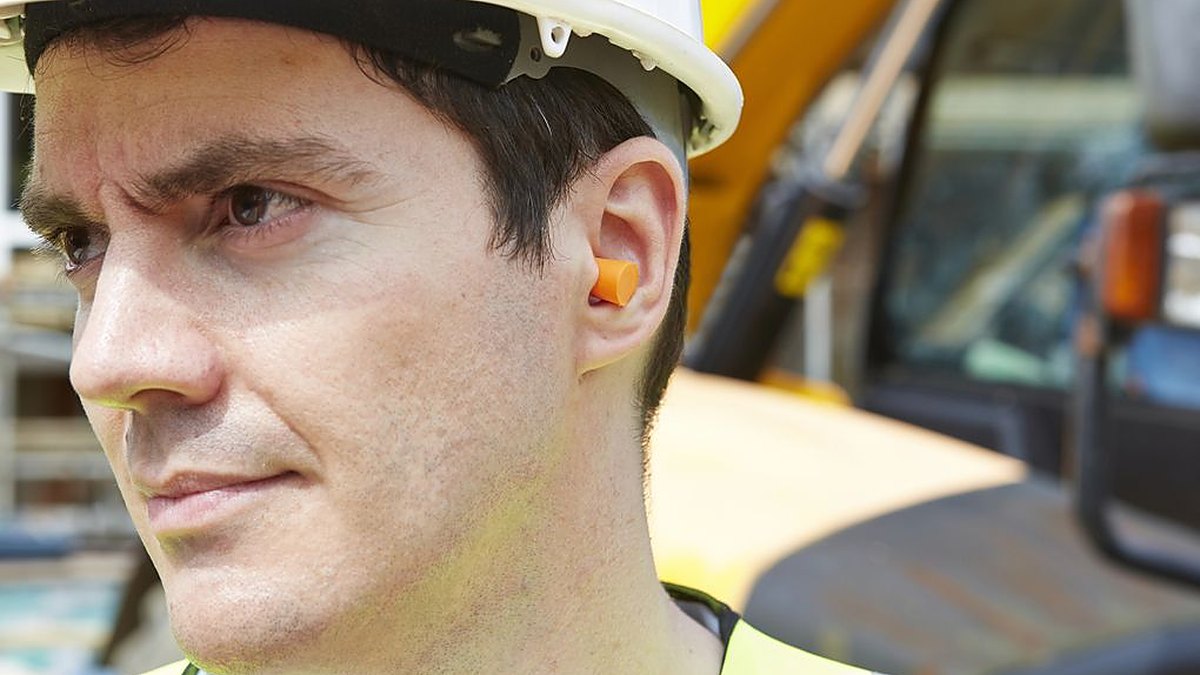
About This Article
Written by: Apex Brain & Hearing Health Editorial Team
Developed using reputable medical literature, clinical guidance, and trusted health organizations whenever appropriate.
Affiliate Disclosure: Apex Brain & Hearing Health may earn a commission if you purchase through links on this page, at no additional cost to you. As an Amazon Associate, we earn from qualifying purchases. Learn more.
Article At a Glance
- Properly used ear plugs generally do not cause tinnitus. In noisy environments, they can help protect hearing and reduce the risk of noise-related tinnitus.
- Ear plugs can make existing tinnitus seem louder because they reduce environmental sound. This is often a change in awareness rather than new auditory damage.
- Poor fit, excessive insertion, earwax impaction, skin irritation, or ear-canal injury can create ear symptoms that may occur alongside tinnitus.
- Use hearing protection when sound is genuinely hazardous, but avoid unnecessary overprotection in ordinary safe environments.
- New persistent tinnitus, sudden hearing loss, significant ear pain, drainage, dizziness, or other concerning symptoms deserve appropriate evaluation.
If you notice ringing, buzzing, hissing, or another tinnitus sound after wearing ear plugs, it is natural to wonder whether the ear plugs caused it.
In most cases, properly used ear plugs are not a cause of permanent tinnitus.
In fact, hearing protection is one of the most important tools for reducing the risk of hearing damage from hazardous noise.
However, ear plugs can change what you hear.
When outside sound is reduced, internal sounds—including tinnitus—may suddenly become much easier to notice.
Improper fit or use can also contribute to:
- Ear-canal irritation
- Discomfort
- Earwax problems
- Skin irritation
- Other temporary ear symptoms
Understanding these differences can help you protect your hearing without becoming afraid of ear plugs themselves.
Do Ear Plugs Cause Tinnitus?
Usually, no.
Ear plugs are designed to reduce sound exposure.
When worn correctly in hazardous noise, they help protect the auditory system from excessive sound levels that can contribute to hearing loss and tinnitus.
That said, tinnitus may become more noticeable while ear plugs are in place or immediately after they are inserted.
This does not necessarily mean the ear plugs damaged your hearing.
Why Can Tinnitus Seem Louder With Ear Plugs?
The most common reason is simple:
Ear plugs reduce environmental sound.
Tinnitus often stands out more clearly when the surrounding environment becomes quiet.
During the day, your auditory environment may include:
- Conversation
- Traffic
- Fans
- Appliances
- Music
- Workplace sounds
When ear plugs reduce those sounds, tinnitus may suddenly have less competition.
As a result, it can seem louder even if the tinnitus itself has not changed.
What Is the Occlusion Effect?
The occlusion effect occurs when the ear canal is blocked and internally generated sounds become more noticeable.
With ear plugs in place, you may hear your:
- Voice
- Chewing
- Breathing
- Footsteps
- Other body-generated sounds
more strongly than usual.
This can feel strange, particularly for someone already focused on tinnitus.
The occlusion effect is not the same thing as permanent auditory damage.
Can Ear Plugs Make Existing Tinnitus Worse?
They can make tinnitus seem more prominent temporarily because environmental sound has been reduced.
For some people, repeatedly spending long periods in unnecessary silence can increase awareness of tinnitus.
That does not mean hearing protection should be avoided when noise is genuinely hazardous.
The better approach is:
- Use appropriate protection when needed
- Do not overprotect in ordinary safe environments
- Choose hearing protection appropriate to the activity
Can Improper Ear-Plug Use Cause Ear Problems?
Yes.
Although tinnitus itself is not usually caused by normal ear-plug use, poor technique can create other ear problems.
Examples include:
- Scratching or irritating the ear canal
- Pushing wax deeper into the ear
- Using dirty reusable plugs
- Using a plug that is painfully large
- Forcing a plug too deeply
- Continuing to use a material that irritates the skin
These issues can produce discomfort, fullness, altered hearing, or other symptoms that may make tinnitus more noticeable.
Can Ear Plugs Push Earwax Deeper?
They can contribute in some people.
Objects repeatedly placed in the ear canal can interfere with the natural outward movement of earwax.
This is particularly relevant for people who regularly use:
- Ear plugs
- Earbuds
- In-ear monitors
- Hearing aids
Impacted earwax can sometimes cause:
- Reduced hearing
- Ear fullness
- A blocked sensation
- Tinnitus
If wax is genuinely contributing to symptoms, appropriate removal may improve them.
Do not repeatedly insert cotton swabs or other objects into the canal trying to remove wax.
Can Ear-Plug Materials Irritate the Ear?
Yes.
Some people develop irritation from particular materials or from prolonged contact with the ear canal.
Symptoms can include:
- Itching
- Redness
- Soreness
- Dry or flaky skin
- Swelling
Skin irritation itself does not automatically mean tinnitus damage has occurred.
However, persistent irritation should not be ignored.
Stop using a product that repeatedly causes discomfort and consider another material or design.
What About Pressure From Ear Plugs?
A properly fitted ear plug should not cause significant pain or uncomfortable pressure.
Foam plugs expand after insertion, and some users may find a particular size or product uncomfortable.
The important distinction is that discomfort from fit is not evidence that the plug is creating dangerous pressure inside the inner ear.
If a plug feels painful, excessively tight, or difficult to remove, try a different fit or style.
Do not force hearing protection deeply into the ear canal.
Can Removing Ear Plugs Too Quickly Cause Tinnitus?
There is no reason to assume that normal removal creates permanent tinnitus.
However, a tightly sealed plug can feel uncomfortable if pulled out abruptly.
It is reasonable to remove ear plugs gently rather than yanking them out.
For reusable plugs that create a strong seal, slightly loosening the seal before removal can improve comfort.
Why Do My Ears Ring After I Remove Ear Plugs?
Several possibilities exist.
The tinnitus may simply have become easier to notice because you spent time in reduced environmental sound.
Another important possibility is that you were exposed to hazardous sound.
For example, if you wore ear plugs at:
- A concert
- A shooting range
- A loud workplace
- A motorsports event
- A construction site
new tinnitus afterward may reflect the noise exposure rather than the ear plugs.
Hearing protection reduces risk, but protection may be incomplete when:
- The plug was inserted incorrectly
- The protection was not appropriate for the sound level
- The plug was repeatedly removed in the noisy environment
- Additional protection was needed
Temporary Tinnitus After Loud Noise
Temporary tinnitus can occur after hazardous noise exposure.
Even if the sound later fades, the exposure should still be taken seriously.
Repeated excessive noise can contribute to permanent hearing damage.
Use appropriate hearing protection around hazardous sound and give your ears protection from additional high-level exposure.
Do not deliberately expose yourself to loud noise to test whether your tinnitus has improved.
Do Ear Plugs Prevent Tinnitus?
They can reduce the risk of tinnitus related to hazardous noise by reducing sound exposure.
They do not prevent every form of tinnitus.
Tinnitus can also occur in association with:
- Age-related hearing changes
- Ear disorders
- Medication effects
- Head or neck injuries
- Vascular conditions
- Other medical problems
Hearing protection addresses one important risk factor: excessive noise.
When Should You Wear Ear Plugs?
Use hearing protection when sound exposure is hazardous or when workplace or recreational safety guidance calls for it.
Examples can include:
- Power tools
- Industrial machinery
- Firearms
- Motorsports
- Some concerts or live events
- Other high-noise environments
The right type of protection depends on the environment.
In very high-noise settings, more protection may be needed than a basic consumer ear plug alone can provide.
When Should You Avoid Overusing Ear Plugs?
You generally do not need hearing protection for ordinary, comfortable environmental sound.
Examples may include:
- Normal conversation
- Quiet household activity
- Typical office environments
- Routine outdoor sounds
Constantly blocking ordinary safe sound can make the environment unusually quiet and may increase awareness of tinnitus.
Some people with sound sensitivity also begin avoiding more and more normal sound.
That pattern can deserve professional guidance rather than continued escalation of hearing protection.
Foam Ear Plugs
Foam ear plugs are widely used because they can provide substantial sound reduction when inserted correctly.
Proper use generally involves:
- Clean hands
- Rolling the foam into a narrow cylinder
- Gently inserting it according to product instructions
- Allowing it to expand into place
The plug should feel secure but not painful.
Improperly inserted foam plugs may provide far less protection than expected.
How to Insert Foam Ear Plugs
Follow the manufacturer’s instructions for the specific product.
A common technique involves:
- Rolling the plug into a smooth compressed cylinder
- Gently pulling the outer ear to help straighten the canal
- Inserting the plug without forcing it
- Holding it briefly while the foam expands
If the plug repeatedly causes pain or significant irritation, try a different size or design.
Silicone Ear Plugs
Silicone hearing protection comes in several designs.
Some products sit primarily at the entrance of the canal, while others extend farther inward.
They can be useful for:
- Sleep
- Swimming when designed for that purpose
- General noise reduction
- Other specific activities
The best material depends on comfort, fit, and intended use.
Silicone is not inherently a tinnitus-prevention material.
Wax Ear Plugs
Moldable wax ear plugs typically form over or near the entrance of the ear canal.
Some users find them comfortable for sleep or water-related activities.
Follow product instructions carefully.
Do not push moldable plugs deeply into the canal.
As with other materials, comfort and appropriate protection matter more than claims that one material specifically prevents tinnitus.
Custom-Molded Ear Plugs
Custom ear plugs can be useful for people who need hearing protection regularly.
They may be considered for:
- Musicians
- Industrial workers
- Shooting sports
- Frequent concert attendance
- People who have difficulty fitting standard plugs
Custom fit can improve comfort and consistency, but custom plugs do not guarantee that tinnitus will never occur.
Their usefulness depends on correct selection and appropriate attenuation for the environment.
High-Fidelity Ear Plugs
High-fidelity or musician-style ear plugs are designed to reduce sound while preserving more natural sound quality than some conventional plugs.
They may be useful for:
- Musicians
- Concert attendees
- Performers
- Other people who need to hear speech or music while reducing sound exposure
They are not automatically appropriate for extremely high-noise environments.
Choose protection according to actual sound exposure, not simply convenience.
Understanding Noise Reduction Ratings
Hearing protectors are commonly labeled with laboratory-based attenuation ratings.
These numbers are useful for comparing products, but real-world protection depends heavily on fit and correct use.
A poorly inserted high-rated ear plug may protect less than a properly fitted lower-rated product.
For occupational environments, follow workplace hearing-conservation guidance and applicable safety requirements rather than trying to calculate protection from an online tinnitus article alone.
Do You Always Need the Highest-Rated Ear Plug?
No.
The correct amount of protection depends on the noise environment.
Too little protection can leave hearing at risk.
But ordinary environments do not require maximum attenuation.
The goal is to reduce hazardous exposure appropriately while still allowing necessary communication and situational awareness when possible.
Ear Plugs for Sleep
Many people use ear plugs safely for sleep.
Nightly use does not automatically cause tinnitus.
Problems are more likely to involve:
- Poor fit
- Skin irritation
- Earwax accumulation
- Dirty reusable plugs
- Ear-canal discomfort
If you comfortably use ear plugs every night without symptoms, there is no general need to alternate nights simply to “rest” the ears.
If problems develop, address the actual problem rather than following an arbitrary rotation schedule.
Do Your Ears Need Breaks From Ear Plugs?
There is no universal rule requiring a particular number of minutes without ear plugs after every few hours of use.
In a hazardous environment, removing hearing protection simply to provide an “ear break” could increase noise exposure.
Use hearing protection for as long as the environment requires it.
When you are back in a safe environment, removing the protection allows normal environmental sound to return naturally.
How Often Should Ear Plugs Be Replaced?
Follow the manufacturer’s instructions.
Disposable foam ear plugs are generally intended for limited use and should be discarded when:
- Dirty
- Damaged
- No longer expanding properly
- Unable to maintain an appropriate fit
Reusable hearing protection should be cleaned and replaced according to the product instructions.
There is no universal 3-to-5-use rule for every foam plug.
Keep Reusable Ear Plugs Clean
Dirty hearing protection can irritate the ear canal.
Follow manufacturer instructions regarding:
- Cleaning
- Drying
- Storage
- Replacement
Do not share ear plugs.
If reusable plugs become damaged, hardened, cracked, or difficult to clean, replace them.
Ear Cleaning for Regular Ear-Plug Users
The ear canal generally cleans itself by gradually moving wax outward.
Avoid inserting:
- Cotton swabs
- Hairpins
- Ear-cleaning tools
- Other objects
deep into the canal.
Clean the visible outer ear gently.
If you repeatedly develop wax blockage, professional evaluation can help determine an appropriate management strategy.
Are Noise-Canceling Headphones a Substitute for Hearing Protection?
Not necessarily.
Consumer active noise-canceling headphones are designed primarily for listening comfort, particularly with steady environmental noise.
They should not automatically be treated as certified hearing protection for hazardous occupational or recreational noise.
For genuine hearing protection, use equipment designed and rated for that purpose.
What About Earmuffs?
Earmuff-style hearing protectors can be a good alternative for people who:
- Dislike objects in the ear canal
- Develop ear-canal irritation
- Need hearing protection in certain work or recreational environments
They can also sometimes be combined with ear plugs when very high levels of protection are appropriate.
The correct approach depends on the environment.
Can Ear Plugs Cause Hyperacusis?
There is no simple rule that ordinary hearing-protection use causes hyperacusis.
However, excessive avoidance of everyday safe sound can sometimes contribute to increased sound sensitivity or fear of normal sound.
This is different from appropriate hearing protection in genuinely hazardous environments.
If ordinary sounds become increasingly uncomfortable, professional evaluation can help distinguish:
- Hyperacusis
- Misophonia
- Recruitment related to hearing loss
- Other sound-tolerance problems
What Should You Do if Tinnitus Appears After Ear-Plug Use?
First, consider the circumstances.
Ask:
- Were you using the plugs in a loud environment?
- Did the plugs fit correctly?
- Did you notice pain or irritation?
- Does the ear feel blocked?
- Has hearing changed?
- Is tinnitus present in one or both ears?
- Is it fading or persisting?
Avoid assuming automatically that the ear plug caused auditory damage.
The timing may reflect noise exposure, increased awareness in quiet, wax, irritation, or another issue.
Use Comfortable Background Sound
If tinnitus is temporarily more noticeable after removing hearing protection, comfortable background sound may help.
Options include:
- A fan
- Nature sounds
- Quiet music
- Environmental sound
- A bedside sound machine
The goal is not to blast the tinnitus away.
Keep sound comfortable.
Learn more in our guide to sound therapy for tinnitus.
Do Ginger or Turmeric Treat Ear-Plug-Related Tinnitus?
There is no good evidence that ginger or turmeric should be recommended as treatments for tinnitus occurring after ear-plug use.
The fact that a substance has anti-inflammatory properties does not establish that it treats tinnitus.
Use foods and supplements according to general nutritional or medical considerations rather than as an assumed tinnitus therapy.
Does Ear Massage Help?
Gentle massage may feel relaxing, particularly if jaw or neck tension is present.
However, there is no reason to claim that massaging around the ear improves circulation enough to treat tinnitus caused by ear-plug use.
Avoid forceful manipulation of the ear canal or surrounding structures.
If tinnitus consistently changes with jaw or neck movement and you also have pain or dysfunction, an appropriate evaluation may be useful.
When Should You Get Tinnitus Checked?
Medical or hearing evaluation may be useful when tinnitus:
- Persists
- Recurs frequently
- Is associated with hearing difficulty
- Occurs predominantly in one ear
- Is accompanied by significant dizziness
- Occurs with ear pain or drainage
- Follows significant ear or head trauma
There is no need to wait for an arbitrary number of days if symptoms concern you.
Sudden Hearing Loss With Tinnitus
Sudden unexplained hearing loss deserves prompt medical evaluation.
Possible symptoms include:
- A sudden reduction in hearing
- Muffled hearing
- A blocked-ear sensation
- New tinnitus
- A sudden difference between the ears
- Sometimes dizziness
Do not assume that a newly blocked ear after ear-plug use is simply wax or pressure.
Learn more about hearing symptoms that may require prompt medical attention.
Pulsatile Tinnitus
Tinnitus that follows the heartbeat is different from ordinary continuous ringing.
It may sound like:
- Whooshing
- Pulsing
- Thumping
Persistent pulse-synchronous tinnitus deserves appropriate evaluation and should not simply be blamed on ear plugs.
Frequently Asked Questions
Can Ear Plugs Cause Permanent Tinnitus?
Properly used ear plugs are not generally considered a cause of permanent tinnitus.
They are more often used to reduce noise exposure that could otherwise contribute to tinnitus.
Improper use can cause ear-canal problems or affect wax, while reduced external sound can make existing tinnitus more noticeable.
Why Is My Tinnitus Louder When I Wear Ear Plugs?
Ear plugs reduce environmental sound.
This can increase the contrast between tinnitus and your surroundings, making tinnitus easier to hear.
Why Do My Ears Ring After Removing Ear Plugs?
Possible explanations include increased awareness after a quiet period, noise exposure, irritation, wax blockage, or another auditory issue.
Persistent symptoms or hearing changes deserve evaluation.
How Long Should Tinnitus Last After Ear-Plug Use?
There is no universal timetable.
Brief changes in awareness can resolve quickly.
Persistent tinnitus should not automatically be assumed to be caused by ear plugs.
If it continues or is accompanied by hearing changes or other symptoms, consider evaluation.
Can I Wear Ear Plugs Every Night?
Many people use ear plugs safely for sleep.
Choose a comfortable fit, keep reusable products clean, and pay attention to irritation or wax problems.
There is no universal requirement to alternate nights.
Which Ear-Plug Material Is Best for Tinnitus?
There is no single material proven to prevent tinnitus.
Foam, silicone, wax, filtered, or custom products can all be appropriate depending on comfort, fit, and intended use.
Are Custom Ear Plugs Better?
Custom plugs can improve comfort and consistency for people who use hearing protection frequently or have difficulty fitting standard plugs.
They are not required for everyone.
Can Ear Plugs Make Hyperacusis Worse?
Appropriate protection in hazardous noise is important.
Excessive avoidance of ordinary safe sound can sometimes contribute to greater sound sensitivity or fear.
People with significant hyperacusis should consider professional guidance rather than simply increasing hearing protection everywhere.
Do Ear Plugs Cause Earwax Buildup?
Regular in-ear device use may contribute to wax impaction in some people.
If you repeatedly experience blocked ears, reduced hearing, or wax buildup, professional examination can help.
Are Earmuffs Better Than Ear Plugs?
It depends on the situation.
Earmuffs may be more comfortable for people with sensitive ear canals, while plugs can be more convenient in other environments.
The required level of noise protection is the most important consideration.
Can Noise-Canceling Headphones Protect My Hearing?
Do not assume ordinary consumer noise-canceling headphones provide sufficient protection against hazardous sound.
Use properly rated hearing protection when exposure is potentially damaging.
Should Children Use Ear Plugs?
Children sometimes need hearing protection in loud environments.
The product should fit appropriately and be used with adult supervision when necessary.
Earmuff-style hearing protectors can be easier to fit for younger children.
Persistent tinnitus or hearing concerns in a child deserve appropriate pediatric hearing evaluation.
The Bottom Line
Ear plugs are generally part of the solution to noise-related tinnitus risk—not the cause.
Properly used hearing protection can reduce exposure to hazardous sound and help protect hearing.
What sometimes creates confusion is that ear plugs reduce environmental sound.
When the world becomes quieter, existing tinnitus can suddenly become much easier to hear.
Poor ear-plug fit or improper use can also contribute to:
- Ear-canal irritation
- Discomfort
- Wax impaction
- Skin problems
- Other temporary ear symptoms
That is different from saying ear plugs routinely damage the auditory system and create permanent tinnitus.
Choose protection appropriate to the environment.
Use it correctly.
Keep reusable devices clean.
Avoid forcing anything deeply into the ear canal.
Use protection around genuinely hazardous sound, but do not spend ordinary daily life blocking safe environmental noise simply because you have tinnitus.
And if tinnitus appears with sudden hearing loss, persistent one-sided hearing changes, significant dizziness, ear pain, drainage, trauma, or other concerning symptoms, seek appropriate evaluation rather than assuming the ear plugs are responsible.
The purpose of hearing protection is to protect your hearing. Proper fit, appropriate use, and avoiding unnecessary overprotection are the keys to doing that safely.
Medical Disclaimer
Apex Brain & Hearing Health provides educational information only. Our content is not a substitute for professional medical advice, diagnosis, or treatment.
Always seek the advice of a qualified healthcare professional with questions about a medical condition, symptoms, treatment options, or changes to your health.