About This Article
Written by: Apex Brain & Hearing Health Editorial Team
Developed using reputable medical literature, clinical guidance, and trusted health organizations whenever appropriate.
Affiliate Disclosure: Apex Brain & Hearing Health may earn a commission if you purchase through links on this page, at no additional cost to you. As an Amazon Associate, we earn from qualifying purchases. Learn more.
Article At a Glance
- Buzzing in the ears is often a form of tinnitus. Tinnitus can also sound like ringing, hissing, humming, whistling, roaring, clicking, or other sounds without a matching external source.
- Hearing loss and noise exposure are common associations, but tinnitus has many possible causes and contributors.
- Simple strategies such as comfortable background sound, healthy sleep habits, stress management, and appropriate hearing protection can make tinnitus easier to manage.
- There is no supplement, essential oil, special diet, or home remedy proven to cure tinnitus for everyone.
- Sudden hearing loss, pulse-synchronous tinnitus, significant neurological symptoms, or tinnitus following serious head or neck trauma can require prompt medical evaluation.
Why Are My Ears Buzzing?
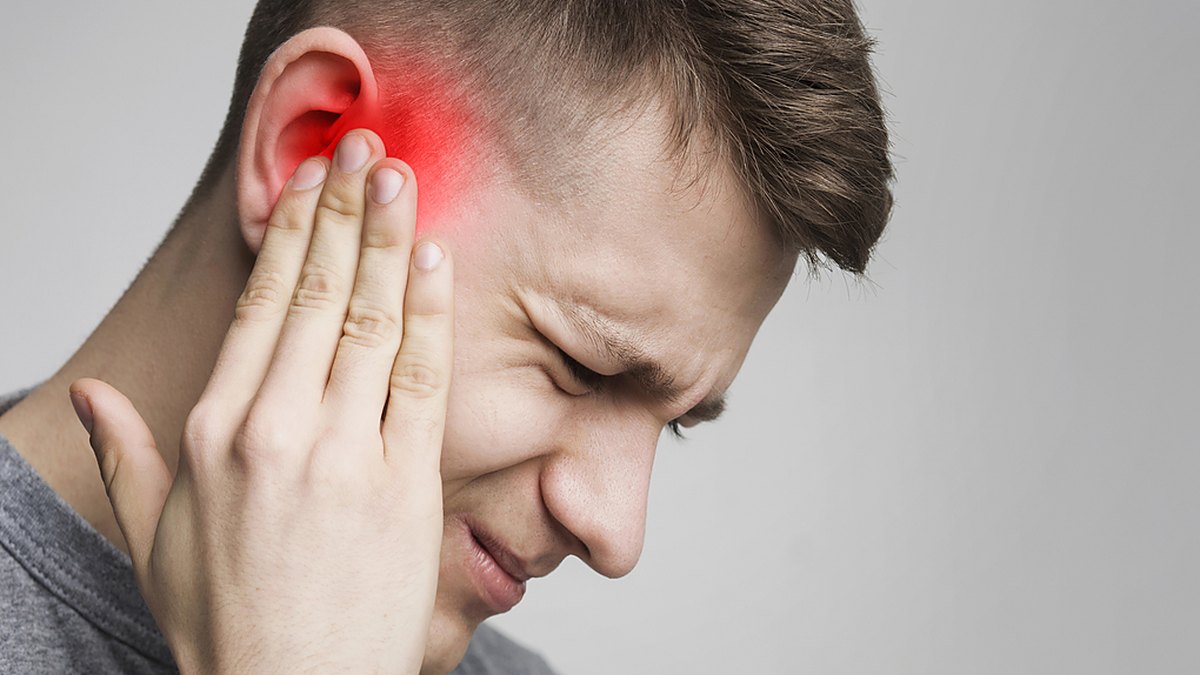
If you hear buzzing when there is no external sound producing it, you may be experiencing tinnitus.
Tinnitus is not limited to ringing.
People describe it as:
- Buzzing
- Ringing
- Hissing
- Humming
- Whistling
- Roaring
- Clicking
- Crackling
- Electrical or insect-like sounds
The sound may affect one ear, both ears, or seem to occur somewhere inside the head.
It may be constant or intermittent and can range from barely noticeable to highly disruptive.
Tinnitus is better understood as a symptom than as a single disease.
That means the first question is not simply how to stop the buzzing. It is also whether something identifiable may be contributing to it.
What Causes Buzzing in the Ears?
There is no single cause of tinnitus.
Common associations and possible contributors include:
- Hearing loss
- Exposure to hazardous noise
- Earwax blockage
- Ear infections or other ear conditions
- Certain medications
- Jaw or neck problems
- Head or ear injury
- Some inner-ear disorders
- Vascular conditions in certain cases of pulsatile tinnitus
Sometimes no single cause can be identified.
Hearing Loss and Ear Buzzing
Tinnitus commonly occurs alongside hearing loss.
Changes in auditory input can affect how sound is processed throughout the hearing system.
However, tinnitus should not be reduced to a simple explanation that damaged hair cells send random electrical signals to the brain.
Modern understanding of tinnitus involves interactions between the ear, auditory pathways, attention, emotion, and other brain systems.
You can also have tinnitus without being aware of significant hearing difficulty.
A hearing evaluation can help determine whether hearing loss is present.
Noise Exposure
Hazardous sound exposure can contribute to both hearing loss and tinnitus.
Tinnitus may occur after:
- Concerts
- Firearms
- Power tools
- Heavy machinery
- Motorsports
- Explosions
- Repeated exposure to loud occupational noise
- Personal audio played at unsafe levels
Temporary ringing or buzzing after loud sound is a warning that the auditory system has been stressed.
Repeated hazardous exposure increases the risk of permanent hearing damage.
Earwax and Ear Conditions
Earwax blockage can sometimes contribute to tinnitus or make existing tinnitus more noticeable.
Other ear conditions can also cause tinnitus.
Do not insert objects deeply into the ear canal in an attempt to remove wax yourself.
If blockage is suspected, appropriate examination can determine whether wax is actually present and whether removal is needed.
Ménière’s Disease
Ménière’s disease is an inner-ear disorder that can involve:
- Episodes of vertigo
- Fluctuating hearing changes
- Tinnitus
- A feeling of pressure or fullness in the affected ear
Tinnitus alone does not mean someone has Ménière’s disease.
Diagnosis depends on the overall symptom pattern and appropriate medical evaluation.
Jaw and Neck Problems
Some people notice that tinnitus changes when they:
- Move their jaw
- Clench their teeth
- Turn their head
- Tighten certain neck muscles
This is sometimes called somatic or somatosensory tinnitus.
Jaw disorders, including temporomandibular disorders, may contribute in some cases.
That does not mean every person whose tinnitus changes with movement has a jaw or neck disorder requiring treatment.
Can Medications Cause Ear Buzzing?
Some medications can cause or worsen tinnitus under certain circumstances.
The relationship can depend on:
- The particular medication
- Dose
- Duration of use
- Other medications
- Kidney or other medical conditions
- Individual susceptibility
Examples of medication categories associated with auditory effects in some circumstances include certain:
- Salicylates
- Antibiotics
- Cancer treatments
- Diuretics
- Other medications
Never stop a prescribed medication simply because tinnitus develops.
Discuss the timing of your symptoms and medication use with the prescribing clinician or pharmacist.
What Is Pulsatile Tinnitus?
Some tinnitus sounds follow the heartbeat.
This is called pulsatile tinnitus.
It may sound like:
- Whooshing
- Pulsing
- Thumping
- Beating
Persistent pulse-synchronous tinnitus deserves medical evaluation because its causes can differ from those of ordinary continuous tinnitus.
Learn more in our guide to pulsatile tinnitus in one ear.
Can Stress Make Ear Buzzing More Noticeable?
Yes, for some people.
Stress does not cause every case of tinnitus, but it can influence attention, emotional reactions, sleep, and how intrusive the sound feels.
When you become worried about tinnitus, you may begin monitoring it more closely.
The more attention given to the sound, the harder it can become to ignore.
This can create a cycle:
- Tinnitus becomes noticeable
- The sound causes worry
- Attention becomes focused on tinnitus
- Tinnitus feels increasingly intrusive
- Stress increases further
Breaking this cycle can be an important part of tinnitus management.
What Can I Do Right Now When My Ears Are Buzzing?
There is no instant technique guaranteed to stop tinnitus.
However, several low-risk strategies can make it easier to tolerate.
1. Add Comfortable Background Sound
Tinnitus often becomes more noticeable in silence.
Try adding gentle external sound such as:
- A fan
- Quiet music
- Rain sounds
- Nature sounds
- White, pink, or brown noise
- A bedside sound machine
The sound does not need to completely cover your tinnitus.
Often the goal is simply to reduce the contrast between tinnitus and a quiet environment.
Keep listening levels comfortable.
Learn more in our guide to sound therapy for tinnitus.
2. Reduce the Stress Response
If tinnitus is making you anxious, use a relaxation technique that you find comfortable.
Options include:
- Slow breathing
- Progressive muscle relaxation
- Mindfulness
- Gentle stretching
- A quiet walk
You do not need to follow a rigid breathing formula.
The goal is to reduce physical and emotional arousal rather than directly alter the tinnitus signal.
3. Stop Constantly Checking the Sound
Repeatedly asking whether tinnitus is louder, quieter, higher, lower, or different can keep attention locked onto it.
Instead, redirect attention toward ordinary activities whenever possible.
Improvement can mean spending less time thinking about tinnitus even if some sound remains.
4. Address Sleep
Tinnitus often feels louder at bedtime because the environment becomes quiet.
Helpful strategies may include:
- Comfortable bedside sound
- A reasonably consistent sleep schedule
- A relaxing bedtime routine
- Addressing persistent insomnia directly
Chronic insomnia can make tinnitus much harder to cope with and deserves treatment in its own right.
5. Protect Yourself From Hazardous Noise
If you are going into a genuinely loud environment, use appropriate hearing protection.
This is especially important around:
- Firearms
- Power tools
- Heavy machinery
- Very loud music
- Other hazardous recreational or occupational sound
At the same time, do not wear hearing protection continuously in ordinary safe environments simply because you have tinnitus.
Excessive sound avoidance can make tinnitus more noticeable by reducing normal environmental sound.
Do White Noise Machines Help Tinnitus?
They can.
White noise is one form of sound enrichment.
Some people prefer white noise, while others find pink noise, brown noise, music, or nature sounds more comfortable.
No single type of background sound is best for everyone.
You also do not necessarily need a dedicated tinnitus device. A fan, speaker, or other comfortable sound source may provide similar practical benefits.
Does Background Music Help?
Quiet music can reduce the contrast between tinnitus and silence while providing something more pleasant for attention to follow.
Audiobooks and podcasts may also help some people, particularly when tinnitus becomes intrusive in quiet environments.
Keep volume at a comfortable listening level rather than trying to overpower tinnitus.
Should You Massage Your Ears?
There is no established ear massage that reliably treats tinnitus.
People with jaw or muscle tension may find gentle relaxation or massage comfortable, but claims that massaging around the ear improves blood flow and therefore reduces tinnitus are not established.
Do not aggressively press, manipulate, or insert anything into the ear.
Do Natural Remedies Help Ear Buzzing?
The term “natural tinnitus remedy” covers many products and practices.
Unfortunately, natural does not automatically mean effective or safe.
There is no herbal supplement, essential oil, vitamin combination, or home remedy proven to cure tinnitus for everyone.
Does Ginkgo Biloba Help Tinnitus?
Ginkgo biloba has been studied extensively.
Current evidence does not justify describing it as a reliably effective general treatment for tinnitus.
It can also interact with medications and may increase bleeding concerns in some circumstances.
There is no universal tinnitus dose of ginkgo that should be recommended to everyone.
What About Zinc?
Zinc is an essential nutrient.
A documented deficiency should be addressed appropriately.
That is different from recommending zinc supplements as a general treatment for tinnitus.
Excessive zinc intake can cause adverse effects and interfere with copper metabolism.
Does Magnesium Help Tinnitus?
Magnesium is involved in many physiological processes, including normal nervous-system function.
That biological importance does not establish magnesium supplements as a universal tinnitus treatment.
Supplementation should be based on individual health and nutritional needs rather than a generic tinnitus protocol.
What About Vitamin B12?
Vitamin B12 deficiency can affect neurological health and should be treated when present.
However, correcting a deficiency is different from recommending B12 supplements to everyone with tinnitus.
Testing may be appropriate when there are risk factors or symptoms suggesting deficiency.
Do Essential Oils Treat Tinnitus?
There is no good evidence that applying essential oils around the ear treats the underlying mechanisms of tinnitus.
Some scents may be relaxing for people who enjoy them, but relaxation should not be confused with treatment of the auditory system.
Never place essential oils or other unapproved substances into the ear canal.
Does Acupressure Stop Ear Buzzing?
Specific pressure points have not been established as reliable tinnitus treatments.
Claims that pressing points around the ear, skull, neck, or leg restores energy flow or treats tinnitus are not supported as established medical mechanisms.
If gentle massage helps you relax, that is different from claiming that an acupressure point treats tinnitus.
Is There a Tinnitus Diet?
No universal tinnitus diet has been established.
People are often advised to eliminate:
- Salt
- Caffeine
- Alcohol
- Sugar
- MSG
- Artificial sweeteners
- Various processed foods
Those restrictions should not automatically be applied to everyone with tinnitus.
Should You Stop Caffeine?
Not automatically.
Some people believe caffeine changes their tinnitus, while others notice no meaningful effect.
If you suspect caffeine affects you, observe the pattern rather than assuming coffee or tea must be eliminated.
Abrupt caffeine withdrawal can also cause headaches, fatigue, and other symptoms.
Should You Avoid Alcohol?
Individual responses vary.
If alcohol repeatedly appears to affect your tinnitus, that pattern may be worth discussing or modifying.
There is no universal rule that everyone with tinnitus must completely eliminate alcohol specifically because of tinnitus.
Does Salt Make Tinnitus Worse?
There is no universal sodium restriction for tinnitus.
Certain diagnosed medical conditions may require individualized dietary guidance.
Otherwise, tinnitus alone does not establish that a person should follow a highly restrictive low-sodium diet.
What About Sugar, MSG and Artificial Sweeteners?
Evidence does not support routinely eliminating these ingredients from everyone’s diet as a tinnitus treatment.
If you believe a particular food consistently affects your symptoms, consider whether the relationship is reproducible rather than assuming every tinnitus fluctuation was caused by something you ate.
Can Healthy Eating Help?
A balanced eating pattern supports overall health.
Vegetables, fruit, whole grains, legumes, nuts, seeds, fish, and other nutrient-rich foods can contribute to cardiovascular and metabolic health.
They should not be promoted as foods that specifically cure tinnitus or reduce inflammation inside the auditory system.
Can Hearing Aids Help Ear Buzzing?
When tinnitus occurs with hearing loss, hearing aids may be useful.
They can:
- Improve speech understanding
- Increase access to environmental sound
- Reduce listening effort
- Reduce the contrast between tinnitus and silence
Some people notice less tinnitus awareness while wearing amplification.
Hearing aids do not cure every case of tinnitus and should not be presented as devices that reverse abnormal brain activity.
Learn more in our complete guide to hearing aids.
What Is Cognitive Behavioral Therapy for Tinnitus?
Cognitive behavioral therapy, or CBT, is one of the better-supported approaches for reducing tinnitus-related distress.
CBT does not require the sound to disappear.
Instead, it can help address:
- Fear of tinnitus
- Catastrophic thoughts
- Constant monitoring
- Sleep-related worry
- Avoidance of normal activities
- Anxiety associated with tinnitus
The goal is to reduce tinnitus’s influence over everyday life.
What About Tinnitus Sound-Therapy Devices?
Some hearing devices and tinnitus programs provide sound intended to reduce tinnitus awareness or distress.
There are also specialized approaches involving modified music, customized sound, or combinations of sound with other forms of stimulation.
Evidence varies by approach and device.
Be cautious with claims that a sound program permanently “resets,” “rewires,” or “reprograms” the brain to cure tinnitus.
Safe Listening and Hearing Protection
There is no single percentage setting on a phone or audio player that guarantees safe listening.
The actual sound reaching the ear varies considerably among devices and headphones.
Risk depends on both:
- Sound level
- Duration of exposure
A practical rule is to keep personal audio at a comfortable level and reduce either the volume or listening time when sound is loud.
Noise-canceling headphones can sometimes help because they reduce background noise and may decrease the temptation to turn music up in noisy environments.
Are Earbuds More Dangerous Than Over-Ear Headphones?
Not automatically.
Either type can be used at unsafe levels.
The important issue is the sound exposure reaching your ear, not simply whether the device sits inside or outside the ear canal.
When Should You Use Hearing Protection?
Use hearing protection when sound is genuinely hazardous.
Depending on the environment, appropriate protection may include:
- Foam earplugs
- Reusable earplugs
- Musician-style earplugs
- Earmuffs
- Double protection for extremely loud environments when appropriate
Correct fit matters.
Hearing protection that is worn incorrectly may provide substantially less protection than expected.
Living Well With Persistent Tinnitus
For some people, tinnitus persists.
Persistent does not necessarily mean permanently disabling.
Many people reach a point where tinnitus occupies much less attention even when the sound itself remains.
Useful long-term goals can include:
- Sleeping normally
- Returning to hobbies
- Working and concentrating
- Socializing normally
- Reducing fear of tinnitus
- Thinking about the sound less frequently
These are meaningful improvements.
When Should Ear Buzzing Be Medically Evaluated?
Persistent or bothersome tinnitus can be discussed with an appropriate healthcare professional, particularly when hearing difficulty or other ear symptoms are present.
Certain symptom patterns deserve more prompt attention.
Sudden Hearing Loss
Sudden unexplained hearing loss deserves prompt medical evaluation.
It may occur with:
- New tinnitus
- A suddenly muffled ear
- A blocked-ear sensation
- A noticeable difference between the ears
- Sometimes dizziness
Do not assume a sudden hearing change is simply wax, congestion, or ordinary tinnitus.
Learn more about hearing symptoms that may require prompt medical attention.
Pulsatile Tinnitus
Persistent tinnitus that follows your heartbeat deserves appropriate medical evaluation.
Pulse-synchronous tinnitus can have causes different from ordinary continuous tinnitus.
Neurological Symptoms
Seek urgent medical attention when tinnitus occurs with significant sudden neurological symptoms such as:
- Facial weakness
- New weakness or numbness
- Difficulty speaking
- Major coordination problems
- Other sudden neurological changes
After Serious Head or Neck Trauma
New tinnitus following significant head or neck trauma should be evaluated according to the severity of the injury and any accompanying symptoms.
Seek urgent care when trauma is accompanied by neurological symptoms, loss of consciousness, severe headache, major hearing changes, or other emergency warning signs.
Severe Tinnitus Distress
Tinnitus can significantly affect:
- Sleep
- Concentration
- Mood
- Anxiety
- Daily functioning
You do not need to wait for tinnitus to become unbearable before seeking help.
Significant emotional distress deserves appropriate care even when no dangerous ear disorder is present.
What Tests Are Used for Tinnitus?
Evaluation depends on the individual.
It may include:
- Medical history
- Ear examination
- Hearing testing
- Additional testing when symptoms suggest a particular underlying condition
Not everyone with tinnitus needs blood tests, MRI, CT imaging, or specialized neurological testing.
Testing should be selected according to the symptom pattern and clinical findings rather than applying the same workup to everyone.
Frequently Asked Questions
Can buzzing in the ears go away?
Yes. Some tinnitus is temporary and resolves, while other tinnitus persists. The course depends partly on the underlying cause and individual circumstances.
Does tinnitus become permanent after three months?
No fixed point determines that tinnitus will be permanent. Duration can be useful when describing tinnitus, but an arbitrary timeline cannot predict whether an individual’s tinnitus will eventually improve or resolve.
Is ear buzzing always tinnitus?
Buzzing without an external sound is commonly described as tinnitus, but an ear examination and medical history may sometimes identify another explanation.
Does tinnitus mean I am losing my hearing?
Not necessarily. Tinnitus commonly occurs with hearing loss, but the presence of tinnitus alone cannot determine how well you hear.
Should I get my hearing tested if I have tinnitus?
A hearing evaluation can be useful, particularly when tinnitus is persistent, one-sided, bothersome, or accompanied by perceived hearing difficulty.
Can stress make tinnitus worse?
Stress can make tinnitus more intrusive for some people by affecting attention, emotional reactions, and sleep. It does not explain every case of tinnitus.
Can caffeine cause tinnitus?
Individual experiences vary. There is no universal requirement to eliminate caffeine solely because tinnitus is present.
Can alcohol worsen tinnitus?
Some people report changes after drinking alcohol, while others do not. Individual patterns are more useful than assuming alcohol affects everyone the same way.
Do essential oils cure tinnitus?
No essential oil has been established as a tinnitus cure.
Does ginkgo biloba work for tinnitus?
Evidence does not support describing ginkgo as a reliably effective general treatment for tinnitus.
Can hearing aids help tinnitus?
When hearing loss is present, hearing aids can improve communication and environmental sound access. Some users also notice reduced tinnitus awareness while wearing them.
Does white noise help tinnitus?
White noise can make tinnitus less noticeable for some people, particularly in quiet environments. Other sounds such as music, rain, pink noise, or brown noise may work just as well depending on personal preference.
Can children have tinnitus?
Yes. Children can experience tinnitus.
Persistent tinnitus, hearing concerns, significant distress, or other ear symptoms in a child deserve age-appropriate medical and hearing evaluation rather than an adult supplement or treatment protocol.
The Bottom Line
Buzzing in the ears is commonly a form of tinnitus.
It may occur alongside hearing loss, noise exposure, ear conditions, medication effects, jaw or neck problems, or other medical factors.
There is no single home remedy that works for everyone.
For many people, practical management begins with:
- Comfortable background sound
- Protecting hearing from hazardous noise
- Addressing sleep problems
- Reducing excessive tinnitus monitoring
- Managing stress
- Addressing hearing loss when present
- Considering CBT when tinnitus causes significant distress
- Seeking appropriate evaluation when symptoms warrant it
Avoid building your tinnitus plan around unproven supplements, essential oils, restrictive diets, or promises of instant relief.
The goal is not necessarily to force every sound to disappear. Meaningful improvement can also mean hearing better, sleeping better, worrying less, returning to normal activities, and spending far less time thinking about the buzzing.
Medical Disclaimer
Apex Brain & Hearing Health provides educational information only. Our content is not a substitute for professional medical advice, diagnosis, or treatment.
Always seek the advice of a qualified healthcare professional with questions about a medical condition, symptoms, treatment options, or changes to your health.