Skip to content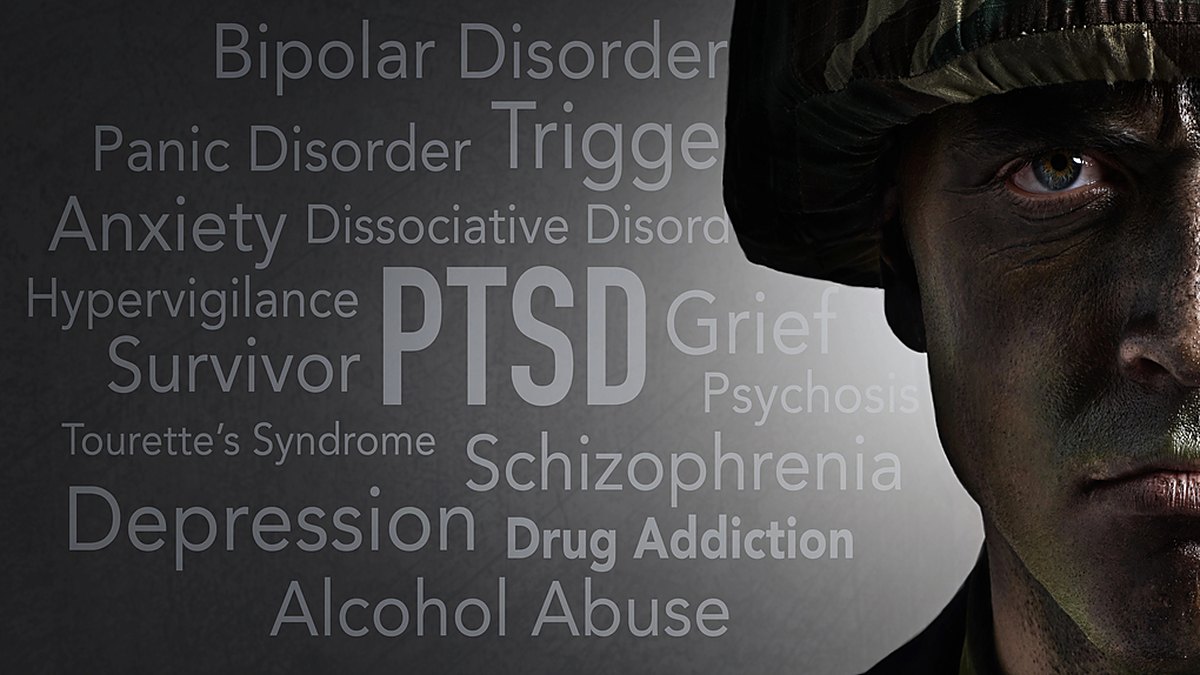
About This Article
Written by: Apex Brain & Hearing Health Editorial Team
Developed using reputable medical literature, clinical guidance, and trusted health organizations whenever appropriate.
Affiliate Disclosure: Apex Brain & Hearing Health may earn a commission if you purchase through links on this page, at no additional cost to you. As an Amazon Associate, we earn from qualifying purchases. Learn more.
Article At a Glance
- Cognitive Behavioral Therapy (CBT) is one of the better-supported approaches for reducing tinnitus-related distress and improving quality of life.
- Veterans can be at increased risk of tinnitus because military service may involve hazardous noise, blast exposure, hearing injuries, and other factors affecting the auditory system.
- CBT generally does not eliminate the tinnitus sound. It helps people change thoughts, behaviors, attention patterns, and emotional reactions that can make tinnitus more disruptive.
- The Department of Veterans Affairs has developed structured tinnitus-management resources, including Progressive Tinnitus Management (PTM), that incorporate behavioral coping strategies.
- Veterans interested in tinnitus care should ask their VA healthcare team about currently available audiology, behavioral health, tinnitus-management, and telehealth services.
Tinnitus is an important hearing-health issue for many veterans.
Military service can involve repeated exposure to weapons fire, explosions, aircraft, heavy equipment, vehicles, machinery, and other hazardous sound.
Some veterans also experience hearing loss, traumatic injuries, sound sensitivity, sleep difficulties, or mental health conditions that can make tinnitus more difficult to manage.
There is no treatment that reliably eliminates tinnitus for everyone.
But there are evidence-based ways to reduce the distress and disruption tinnitus can cause.
One of the best studied is Cognitive Behavioral Therapy (CBT).
Why Tinnitus Is an Important Issue for Veterans
Tinnitus has long been an important service-connected disability within the U.S. veteran population.
One reason is the potential for hazardous sound exposure during military service.
Possible exposures include:
- Weapons fire
- Artillery
- Explosions and blast events
- Aircraft
- Shipboard machinery
- Heavy vehicles
- Industrial equipment
- Repeated training-related noise
The risk associated with sound depends on factors such as intensity, duration, frequency of exposure, distance from the source, and hearing protection.
A single intense exposure can sometimes cause auditory injury, while repeated exposure can contribute to cumulative hearing damage.
Tinnitus and Hearing Loss in Veterans
Tinnitus frequently occurs alongside hearing loss.
This combination can create two different problems:
- Difficulty hearing important external sounds
- Awareness of an internal tinnitus sound
When hearing loss is present, conversations may become harder to follow, particularly in background noise.
Tinnitus can add another source of frustration, but it should not automatically be blamed for every communication problem.
A comprehensive hearing evaluation can help determine whether hearing loss is contributing to the difficulty.
Other Factors That May Affect Veterans With Tinnitus
Noise exposure is not the only issue that can matter.
Depending on the individual, tinnitus may coexist with:
- Sleep problems
- Post-traumatic stress symptoms
- Anxiety
- Depression
- Traumatic brain injury
- Hyperacusis or other sound-tolerance problems
- Head or neck injuries
- Other medical conditions
These conditions do not all have the same relationship with tinnitus, and one should not automatically be assumed to cause another.
However, they can influence how difficult tinnitus is to manage.
How Tinnitus Can Affect Daily Life
Tinnitus severity is not determined only by how loud the sound seems.
Two people with apparently similar tinnitus may experience very different levels of distress.
Bothersome tinnitus can interfere with:
- Sleep
- Concentration
- Relaxation
- Work
- Communication
- Social activities
- Emotional well-being
For some people, the greatest difficulty is not the sound itself but the fear, frustration, attention, and uncertainty surrounding it.
This is where CBT can be particularly useful.
What Is Cognitive Behavioral Therapy for Tinnitus?
CBT is a structured psychological treatment that examines relationships among thoughts, emotions, behaviors, and physical reactions.
For tinnitus, CBT focuses on changing responses that make tinnitus more disruptive.
For example, someone might notice tinnitus and immediately think:
“This sound is going to ruin the rest of my life.”
That thought can increase fear and make the person monitor tinnitus more closely.
CBT helps the person examine whether the thought is accurate and develop a more balanced response.
For example:
“Tinnitus is difficult right now, but people can learn effective ways to manage it, and how much it affects me can change.”
The goal is not forced positive thinking.
It is developing more accurate and useful ways of responding to tinnitus.
Does CBT Cure Tinnitus?
No.
CBT should not be presented as a cure for tinnitus.
It generally does not attempt to eliminate the tinnitus signal.
Instead, successful treatment may result in:
- Less anxiety when tinnitus is noticed
- Less frequent tinnitus checking
- Better concentration
- Improved ability to relax
- Better coping at bedtime
- Less avoidance of everyday activities
- Reduced interference with quality of life
These improvements can be meaningful even when tinnitus remains audible.
What Does the Evidence Say About CBT for Tinnitus?
CBT is one of the better-studied behavioral treatments for tinnitus.
Systematic reviews of clinical trials have found evidence that CBT can reduce the negative impact tinnitus has on quality of life.
The evidence is stronger for reducing tinnitus-related distress than for changing the perceived loudness of tinnitus itself.
This distinction is important.
A treatment does not have to silence tinnitus to improve someone’s life.
How CBT Can Interrupt Tinnitus-Related Distress
Tinnitus can become associated with a pattern such as:
- Notice the tinnitus.
- Interpret it as threatening or intolerable.
- Experience fear, anger, or frustration.
- Monitor the tinnitus more closely.
- Notice it even more frequently.
This is not the only reason tinnitus becomes bothersome, but it is one pattern CBT can address.
Treatment may target several parts of this cycle rather than trying to eliminate the tinnitus signal itself.
1. Identifying Tinnitus-Related Thoughts
A person first learns to recognize thoughts that appear when tinnitus becomes difficult.
Examples might include:
- “I’ll never sleep normally again.”
- “I can’t function with this sound.”
- “This will definitely keep getting worse.”
- “I have to get rid of tinnitus before I can enjoy life.”
These thoughts can feel completely convincing in the moment.
CBT creates an opportunity to examine them rather than automatically treating them as facts.
2. Developing More Balanced Thinking
Cognitive restructuring involves looking at the evidence supporting and contradicting a distressing thought.
For example:
Automatic thought: “Because tinnitus is bad tonight, I won’t be able to cope tomorrow.”
More balanced response: “Tonight is difficult, but tinnitus fluctuates and I have managed difficult periods before.”
The balanced response does not deny the problem.
It removes the unsupported prediction that the worst possible outcome is inevitable.
3. Reducing Constant Tinnitus Monitoring
Some people repeatedly check tinnitus throughout the day.
They may ask themselves:
- Is it louder?
- Did the pitch change?
- Can I still hear it?
- Did that sound make it worse?
- Will this spike go away?
Repeated monitoring can keep tinnitus at the center of attention.
CBT can help people become aware of this behavior and practice directing attention more flexibly.
4. Addressing Avoidance
Tinnitus can cause people to withdraw from activities they fear may make the condition worse.
Some avoidance is appropriate.
For example, avoiding hazardous noise without appropriate hearing protection makes sense.
But avoiding ordinary safe activities solely because tinnitus might become noticeable can unnecessarily restrict daily life.
CBT can help distinguish reasonable hearing protection from fear-driven avoidance.
5. Relaxation and Stress Management
Many people report that tinnitus is harder to tolerate during periods of stress.
CBT programs may therefore include relaxation strategies such as:
- Controlled breathing
- Progressive muscle relaxation
- Guided imagery
- Other structured relaxation exercises
These techniques are intended to reduce distress and physical tension.
They should not be presented as techniques proven to lower the tinnitus signal itself.
CBT and Sound Management
Sound can also be useful in tinnitus management.
Some people find tinnitus especially noticeable in quiet environments.
Comfortable external sound can reduce the contrast between tinnitus and silence.
Options may include:
- A fan
- Nature sounds
- Music
- Environmental sound
- A sound machine
- Audio from a phone or speaker
- Hearing aids when hearing loss is present
Complete masking is not always necessary.
Learn more in our guide to sound therapy for tinnitus.
CBT and Sleep
Bedtime can be difficult because tinnitus often becomes more noticeable as environmental sound decreases.
People may then begin worrying about whether they will sleep, creating an additional source of arousal and frustration.
Depending on the person’s needs, tinnitus-related behavioral care may address:
- Bedtime thoughts about tinnitus
- Tinnitus monitoring in bed
- Comfortable nighttime sound
- Relaxation
- Sleep habits
Persistent insomnia may require its own assessment and treatment rather than being assumed to be entirely caused by tinnitus.
CBT, PTSD, and Veterans
Some veterans with tinnitus also live with post-traumatic stress disorder or significant trauma-related symptoms.
This requires an important distinction:
Tinnitus-focused CBT should not automatically be considered treatment for PTSD.
PTSD has its own evidence-based treatments delivered by appropriately trained mental health professionals.
Someone with significant tinnitus and PTSD may benefit from coordinated care that addresses each condition appropriately.
Progressive Tinnitus Management Through the VA
The Department of Veterans Affairs has played an important role in developing structured tinnitus-management care.
One notable program is Progressive Tinnitus Management (PTM).
PTM uses a stepped-care approach that can include:
- Triage
- Audiologic evaluation
- Tinnitus education
- Sound-based coping strategies
- Behavioral coping skills
- More individualized care when needed
The program emphasizes practical self-management rather than promising a cure.
Learn more in our guide to Progressive Tinnitus Management.
Does the VA Offer CBT-Based Tinnitus Care?
Behavioral tinnitus-management services are available within parts of the VA healthcare system, but specific programs and referral pathways can vary by facility and over time.
A veteran interested in treatment can ask their VA healthcare team about currently available:
- Audiology services
- Tinnitus evaluation
- Progressive Tinnitus Management
- Behavioral health services
- CBT-based tinnitus care
- Telehealth options
Because availability changes, it is better to ask the VA directly about current local or remote services than to assume every facility provides the same program.
Starting With a Hearing Evaluation
For many veterans, audiology is an important part of tinnitus care.
A hearing evaluation can help identify:
- Whether hearing loss is present
- The type and degree of hearing loss
- Whether hearing aids may be appropriate
- Whether additional medical evaluation is indicated
- How tinnitus affects everyday functioning
If tinnitus is significantly affecting sleep, concentration, emotional well-being, or daily activities, tell the clinician specifically how it is affecting you.
Hearing Aids and Tinnitus
When hearing loss is present, hearing aids may be an important part of the overall management plan.
Amplification can improve access to speech and environmental sound.
Some people also find tinnitus less noticeable while appropriately fitted hearing aids are being used.
That is different from claiming that hearing aids cure tinnitus.
Learn more in our complete guide to hearing aids.
Telehealth and Tinnitus Care
Remote tinnitus-management programs can improve access for veterans who live far from specialty services or have difficulty traveling.
Research has evaluated remotely delivered tinnitus interventions, including structured behavioral and educational approaches.
Availability within the VA depends on the facility, program, and individual clinical needs.
Veterans interested in remote care should ask their healthcare team about current telehealth options.
Self-Management Skills Veterans Can Practice
Professional care can be valuable, but several general CBT-related concepts can also be practiced in everyday life.
These strategies are educational tools and are not substitutes for individualized psychotherapy when significant mental health concerns are present.
Identify the Situation
Instead of thinking:
“Tinnitus ruins my entire day.”
identify the specific situation:
“Tinnitus becomes particularly difficult when I lie in bed in a quiet room.”
A specific problem is easier to address.
Identify the Automatic Thought
Ask what thought immediately follows noticing tinnitus.
For example:
“I’m never going to sleep.”
Examine the Evidence
Ask:
- Is this prediction definitely true?
- Have there been nights when I eventually slept?
- Does tinnitus always stay at the same level?
- What strategies have helped previously?
Create a Balanced Alternative
A more balanced response might be:
“Tinnitus is making tonight harder, but that does not mean I will never sleep. I can use the strategies that have helped me before.”
A Simple Tinnitus Thought Record
| Situation | Automatic Thought | Evidence to Consider | Balanced Response |
|---|---|---|---|
| Tinnitus is especially noticeable in the morning. | “I won’t be able to function today.” | I have handled difficult tinnitus days before, and tinnitus can fluctuate. | “This morning is difficult, but I can still use my coping strategies and take the day one step at a time.” |
| I missed part of a conversation. | “Tinnitus makes communication impossible.” | Hearing loss, background noise, distance, and other factors can affect communication. | “I can ask for repetition and have my hearing evaluated if communication problems continue.” |
Using Breathing for Relaxation
Slow, comfortable breathing can be used as a general relaxation strategy when tinnitus-related distress rises.
The goal is not to force tinnitus to become quieter.
Instead:
- Sit or lie in a comfortable position.
- Allow your breathing to slow naturally.
- Notice the physical sensation of each breath.
- Relax areas of unnecessary muscle tension.
- If attention returns to tinnitus, gently redirect it to breathing without treating the tinnitus as an emergency.
There is no special breathing count or exact number of minutes required for tinnitus.
Use a comfortable technique that does not cause dizziness or discomfort.
Sound Strategies at Home
If silence makes tinnitus difficult, experiment with comfortable background sound.
Possible options include:
- A fan
- Rain
- Nature sounds
- Quiet music
- A sound machine
- Ordinary environmental sound
There is no single sound proven to work best for everyone.
The useful question is whether a sound makes a particular situation easier to manage.
Do Veterans Need a Special Tinnitus App?
No.
Apps can be convenient sources of sound, relaxation exercises, or tinnitus education, but they are not required for successful management.
Ordinary speakers, environmental sound, music, fans, or other comfortable sources may serve similar purposes depending on the situation.
CBT and Physical Activity
Regular physical activity can support general physical and mental health and may help with stress, sleep, and mood.
Those benefits can be valuable for someone managing tinnitus.
However, exercise should not be presented as improving inner-ear circulation or directly treating the tinnitus signal without adequate evidence.
Choose physical activity based on overall health, ability, preferences, and advice from healthcare professionals when appropriate.
Food, Caffeine, Alcohol, and Tinnitus
People with tinnitus are frequently given long lists of foods and beverages to avoid.
For most people, there is not strong evidence supporting universal elimination of caffeine, sodium, alcohol, artificial sweeteners, or other specific foods solely because tinnitus is present.
Individual experiences can differ.
If you repeatedly notice a clear relationship between a particular exposure and tinnitus, discuss it with a healthcare professional rather than assuming everyone with tinnitus needs the same dietary restrictions.
What About Tinnitus Supplements?
No dietary supplement has been established as a reliable treatment or cure for tinnitus.
Products containing ginkgo biloba, zinc, magnesium, vitamins, herbs, or proprietary mixtures are frequently marketed to people with tinnitus, but marketing claims should not be confused with evidence of clinical effectiveness.
A documented nutritional deficiency may deserve treatment for its own medical reasons.
That is different from assuming supplementation will treat tinnitus.
Supplements can also cause adverse effects or interact with medications.
CBT Does Not Need a Supplement to Work
CBT should not be marketed as more effective when combined with a proprietary tinnitus supplement.
The evidence supporting CBT concerns behavioral treatment itself.
There is no established supplement that must be added to CBT for successful tinnitus management.
How Long Does CBT for Tinnitus Take?
There is no universal treatment length.
Clinical programs may use a defined series of sessions, but the appropriate duration varies according to:
- The person’s tinnitus-related difficulties
- Treatment goals
- Other health conditions
- The particular CBT program
- Response to treatment
Claims that most veterans improve within three or four weeks should not be treated as a dependable expectation.
How Is Improvement Measured?
Tinnitus care often uses validated questionnaires to assess how tinnitus affects everyday life.
Examples include the:
- Tinnitus Functional Index (TFI)
- Tinnitus Handicap Inventory (THI)
These questionnaires evaluate tinnitus-related impact rather than objectively measuring the tinnitus sound.
Real-world improvements may also include:
- Thinking about tinnitus less frequently
- Reacting less strongly when it is noticed
- Sleeping better
- Concentrating more easily
- Returning to activities
- Feeling more confident about managing difficult periods
What If CBT Doesn’t Help Enough?
Not everyone responds to the same tinnitus-management strategy.
If CBT does not provide enough benefit, the next step is not automatically a supplement or alternative treatment.
Instead, reassess what problems remain.
Questions might include:
- Is untreated hearing loss contributing?
- Is insomnia a major problem?
- Is significant anxiety or depression present?
- Are PTSD symptoms contributing to distress?
- Is sound sensitivity present?
- Does tinnitus have medical features requiring further evaluation?
- Would another structured tinnitus-management approach be appropriate?
Treatment can then be adjusted according to the actual problem.
When Tinnitus Needs Medical Evaluation
Behavioral tinnitus treatment should never substitute for appropriate medical evaluation when concerning symptoms are present.
Sudden Hearing Loss
Sudden unexplained hearing loss deserves prompt medical evaluation.
Tinnitus can occur along with sudden hearing loss, ear fullness, muffled hearing, or dizziness.
Learn more about hearing symptoms that may require prompt medical attention.
Pulsatile Tinnitus
Tinnitus that follows the heartbeat deserves appropriate medical evaluation.
Learn more in our guide to pulsatile tinnitus in one ear.
Persistent One-Sided Tinnitus
Persistent tinnitus limited to one ear, particularly when accompanied by asymmetric hearing loss or other concerning symptoms, deserves appropriate evaluation.
Sudden Neurological Symptoms
Seek urgent medical attention when tinnitus occurs with sudden significant neurological symptoms such as:
- Facial weakness
- New weakness or numbness
- Difficulty speaking
- Major coordination problems
- Other sudden neurological changes
Mental Health and Tinnitus
Severe tinnitus distress deserves to be taken seriously.
People struggling with significant anxiety, depression, trauma symptoms, or hopelessness should seek appropriate mental health support rather than trying to manage everything through tinnitus self-help alone.
If someone is in immediate danger or at risk of harming themselves, emergency or crisis support is appropriate.
Frequently Asked Questions
Does CBT work for tinnitus?
Research supports CBT for reducing tinnitus-related distress and improving quality of life. Its strongest evidence concerns changing the impact of tinnitus rather than eliminating the sound.
Is CBT specifically useful for veterans?
Veterans can benefit from the same evidence-based behavioral principles used in tinnitus care generally, and the VA has developed structured tinnitus-management resources incorporating behavioral strategies.
Can CBT eliminate tinnitus?
No. CBT should not be presented as a cure. A person can improve substantially even when tinnitus remains audible.
Does CBT retrain the brain to ignore tinnitus?
That language can oversimplify the process. CBT helps change attention, thoughts, behaviors, and emotional responses associated with tinnitus. It should not be advertised as guaranteed neurological rewiring.
How quickly will CBT help?
There is no dependable timeline. Response varies according to the person, treatment program, severity of distress, other health conditions, and practice of treatment skills.
Does the VA provide tinnitus treatment?
The VA provides hearing healthcare and has developed structured tinnitus-management approaches such as Progressive Tinnitus Management. Specific services and referral pathways can vary by facility, so veterans should ask their VA healthcare team about current options.
Can I receive tinnitus care through telehealth?
Remote tinnitus care is available in some settings. Veterans should ask their VA healthcare team whether appropriate telehealth services are currently available to them.
Do I need hearing aids?
Not simply because you have tinnitus. Hearing aids may be appropriate when hearing loss is present and amplification is clinically indicated.
Do supplements improve CBT results?
There is no established evidence that a tinnitus supplement must be combined with CBT or that doing so reliably improves CBT outcomes.
What if I also have PTSD?
Tinnitus-focused CBT should not automatically be considered PTSD treatment. Significant PTSD symptoms deserve appropriate evaluation and evidence-based mental health care.
Where should a veteran start?
A veteran with bothersome tinnitus can discuss the problem with their VA healthcare team and ask about audiology, tinnitus evaluation, behavioral tinnitus management, PTM, mental health services, and available telehealth options.
The Bottom Line
Cognitive Behavioral Therapy offers veterans something valuable that does not depend on promising a tinnitus cure.
It provides tools for changing the thoughts, behaviors, attention patterns, and emotional reactions that can allow tinnitus to dominate everyday life.
The tinnitus may remain audible while becoming substantially less disruptive.
Veterans may also need hearing care, sound-management strategies, sleep treatment, mental health support, or medical evaluation depending on their individual circumstances.
The VA’s work in tinnitus rehabilitation, including Progressive Tinnitus Management, provides veterans with an important pathway toward structured, evidence-based care.
The goal is not to promise silence. It is to help tinnitus take up less space in a veteran’s life.
Medical Disclaimer
Apex Brain & Hearing Health provides educational information only. Our content is not a substitute for professional medical advice, diagnosis, or treatment.
Always seek the advice of a qualified healthcare professional with questions about a medical condition, symptoms, treatment options, or changes to your health.